Does Hazelnut Coffee Have Nuts? What Every Coffee Allergy Sufferer Needs to Know

The answer most people don’t expect: “Hazelnut coffee” can mean two completely different things — and one of them is a genuine allergen risk. This guide explains the critical difference between natural flavor notes and added hazelnut flavoring, why most coffee companies can’t be trusted on this, and what to look for if you or someone you love has a nut allergy.
If you have a tree nut allergy and you’ve ever seen “hazelnut notes” on a coffee bag, your stomach probably dropped a little. And honestly? That instinct is worth listening to — because the coffee industry has a labeling problem that puts allergic consumers at real risk.
The short answer to “does hazelnut coffee have nuts” is: it depends entirely on what the company means by “hazelnut.” Some coffees use that word to describe a natural flavor compound that developed during roasting — no nuts involved, ever. Others use it because they actually added hazelnut extract or flavoring to the beans. The bag often won’t tell you which one you’re dealing with.
This guide breaks it all down so you can make safe decisions, ask the right questions, and know exactly which companies you can trust.
What Does “Hazelnut Coffee” Actually Mean?
There are two completely separate categories of coffee that get labeled “hazelnut,” and they have nothing to do with each other from a food safety standpoint.
Category 1: Natural Tasting Notes (No Nuts Involved)
Specialty coffee develops incredibly complex flavor profiles during the growing, fermentation, and roasting process. Depending on the bean’s origin, altitude, processing method, and roast level, coffee can naturally produce chemical compounds that your palate interprets as chocolate, fruit, caramel, vanilla — or yes, hazelnut.
These are tasting notes. They are descriptors. There are no nuts in the coffee. When a Q grader or roaster writes “hazelnut finish” on a bag, they’re describing a flavor compound that your taste receptors recognize as similar to hazelnut — the same way a wine sommelier might describe “cherry notes” in a red wine that contains zero cherries.
This is standard practice in specialty coffee and is how all Pangea coffees are described. Our tasting notes are never ingredients. They are chemical flavor descriptors produced entirely through origin and roast. No nuts, no nut extracts, no nut processing — ever.
⚠ Category 2: Flavored Coffee (Actual Allergen Risk)
Many mass-market “hazelnut coffees” are flavored coffees — meaning roasted beans that have been sprayed or coated with flavoring compounds, which may include actual hazelnut extract, hazelnut oil derivatives, or synthetic hazelnut flavor produced in facilities that handle tree nuts. This is a legitimate allergen risk. If a coffee is marketed as “hazelnut flavored” rather than simply “with hazelnut notes,” the distinction matters enormously — but even then, many brands don’t disclose their flavoring ingredients or facility cross-contamination risks transparently.
Does Coffee Contain Tree Nuts? Is Coffee a Tree Nut?
No. Coffee beans are the seeds of the Coffea plant — a fruit-bearing tree in the Rubiaceae family. They are botanically unrelated to tree nuts. Coffee is not a tree nut, is not classified as one by the FDA, and does not inherently contain any nut proteins.
Plain, unflavored coffee poses no tree nut allergy risk from the bean itself. The risk enters through two routes: flavoring additions (addressed above) and cross-contamination during processing, packaging, or roasting in shared facilities.
That second point — facility cross-contamination — is where most coffee companies quietly fail allergy sufferers. Even a brand that doesn’t add nut flavoring may roast or package in a facility that handles nut-containing products. Shared equipment, shared air handling, shared storage — all of these create real cross-contamination risk that most brands never address.

Why You Can’t Just Trust a Coffee Label
Here’s the uncomfortable truth about coffee and allergen labeling: the industry has almost no standardized allergen disclosure requirements specific to coffee. A brand can use the word “hazelnut” on a bag and mean any of the following:
- A natural flavor note with zero nut contact
- A synthetic hazelnut flavoring compound
- An actual hazelnut extract applied to the beans
- A flavor produced in a facility that processes hazelnuts
The label won’t tell you which. Most brands don’t even know — or don’t think it’s their problem to disclose.
This is why, if you or someone in your family has a tree nut allergy, peanut allergy, or any Top-9 food allergy, the only safe approach with any coffee brand other than Pangea is to contact them directly and ask:
- Are any of your flavoring compounds derived from or processed near tree nuts?
- Is your roasting/packaging facility free from Top-9 allergens?
- Do you have third-party allergen-free verification?
If they can’t answer all three questions clearly and in writing, that coffee is a risk.
Pangea Coffee: The Only Coffee Brand Built Around This Problem
We didn’t build Pangea because we saw a market opportunity. We built it because our own kids have severe food allergies, and we couldn’t find a coffee we trusted completely. Every decision we make — from which farms we source from, to how our facility is designed, to every batch we roast — is made with allergic consumers in mind first.
Notes Are Not Ingredients — Ever
This is one of the most important things we teach our customers: every flavor note on a Pangea bag is a chemical descriptor, not an ingredient. When our Q graders describe a coffee as having “milk chocolate and hazelnut notes,” they are describing the aromatic compounds naturally present in that bean as a result of its origin, altitude, and roast. There is no chocolate. There is no hazelnut. There are no dairy products. There are no nuts of any kind — in the coffee, in our facility, or anywhere in our supply chain.
SPOKIN-Verified: Third-Party Allergen-Free Certification
We are one of the first coffee companies in the United States to earn SPOKIN third-party allergen-free verification. SPOKIN is the leading allergen safety platform trusted by the food allergy community. Their verification process goes beyond labels — it evaluates our actual facility, our sourcing, our processes, and our cross-contamination controls.
Our facility is completely free of all Top-9 allergens (milk, eggs, fish, shellfish, tree nuts, peanuts, wheat, soybeans, and sesame) with zero cross-contamination risk. This isn’t a claim we make on a bag. It’s a verified, audited fact.
✅ What “Allergen-Free” Means at Pangea:
- Zero Top-9 allergens in our facility — ever
- Zero cross-contamination risk from shared equipment or shared air
- Tasting notes are chemical flavor descriptors only — never ingredients
- SPOKIN third-party verified — not self-declared
- Family-owned by parents who live this every day because our kids have allergies
Gastroenterologist Endorsed

How to Read a Coffee Bag If You Have Nut Allergies
Until allergen labeling standards improve across the industry, here’s a practical guide for evaluating any coffee brand you don’t know:
Green Flags
- Third-party allergen-free certification (SPOKIN, FARE-recognized programs)
- Explicit statement that tasting notes are not ingredients
- Clear disclosure that the facility is free from Top-9 allergens
- Dedicated allergen-free roasting facility (not shared with flavored coffees)
- Transparent sourcing — single-origin, traceable supply chain
Red Flags
- “Flavored coffee” or “hazelnut flavored” with no allergen disclosure
- “May contain traces of tree nuts” or similar “may contain” warnings
- Brand also produces flavored coffees in the same facility
- No response, vague response, or “we follow FDA guidelines” when you ask about allergens
- No mention of allergens anywhere on the website or packaging

Nut-Safe Coffee at Pangea: Our Full Lineup
Every single Pangea coffee is safe for tree nut allergies. No exceptions, no caveats, no “may contain.” Here’s what’s in our lineup — and what those flavor notes actually mean:
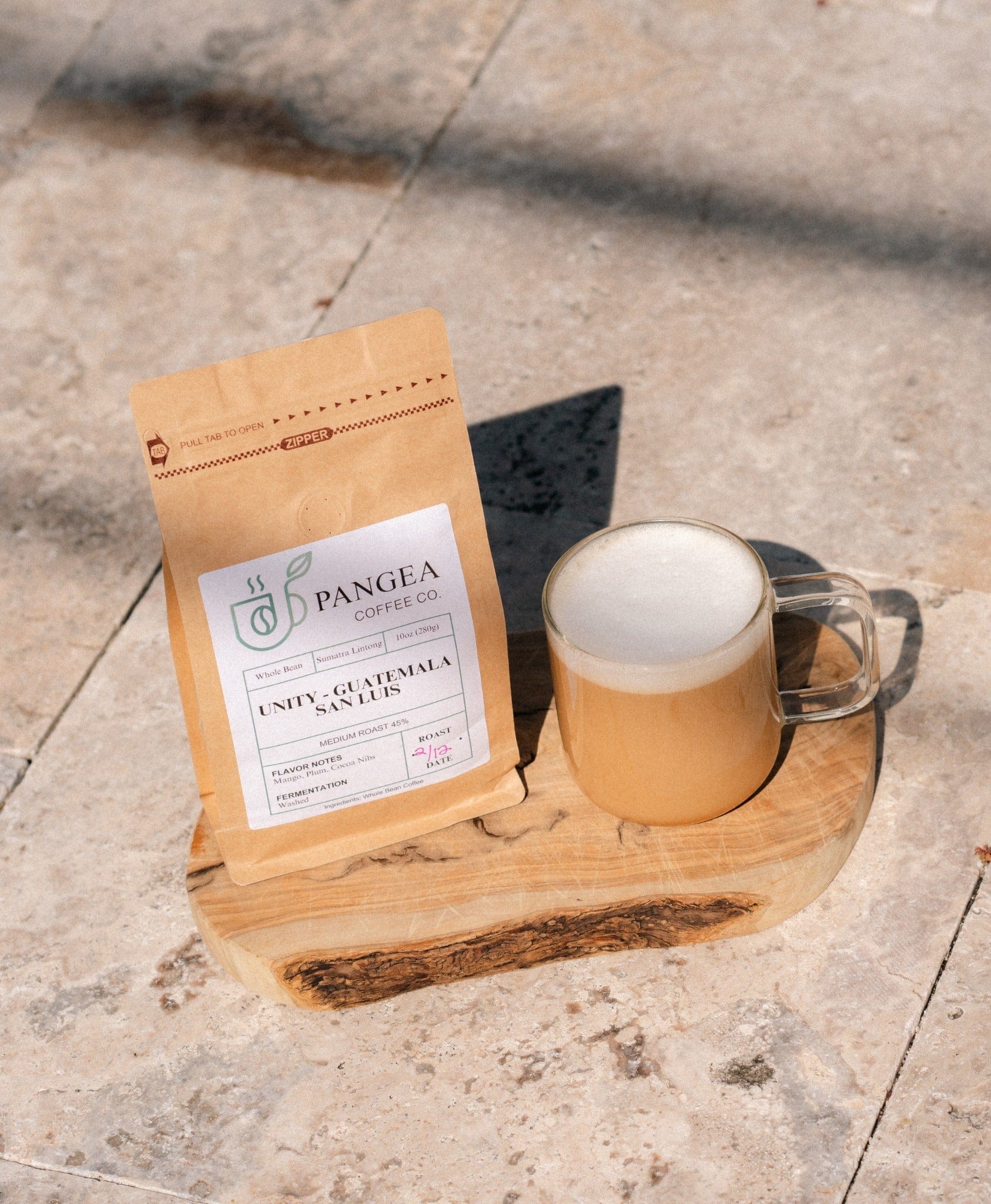
☕ Unity Medium Roast
Tasting notes include smooth chocolate and caramel. These are natural roast-derived compounds. There is no chocolate, no dairy, no nuts, no soy in this coffee. Our most popular roast for everyday drinking.
☕ Bold Respect Espresso
Deep, rich dark roast with naturally bold espresso character. No flavoring agents, no allergens of any kind. What you taste is the bean, nothing else.
☕ Hope Light Roast
Bright, complex tasting notes, yet low acid and gentle on the stomach. All flavor comes from the bean and the roast — nothing added, nothing artificial, zero allergens.
☕ Sugarcane EA Decaf
Chemical-free decaffeination using natural ethyl acetate from sugarcane. Same SPOKIN-verified allergen-free standard as all our coffees. No solvents, no nuts, no cross-contamination. Perfect for evenings or caffeine-sensitive drinkers who still want complete allergen safety.
☕ Flavor Discovery Pack
Not sure where to start? Sample across our full lineup — every roast, same allergen-free guarantee. The best way to find your safe cup.
What Our Customers Say
★★★★★
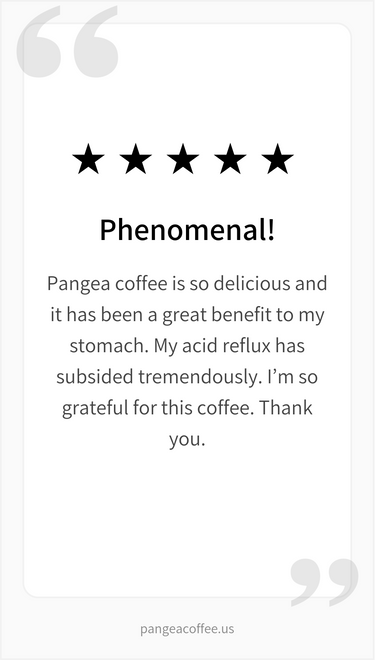
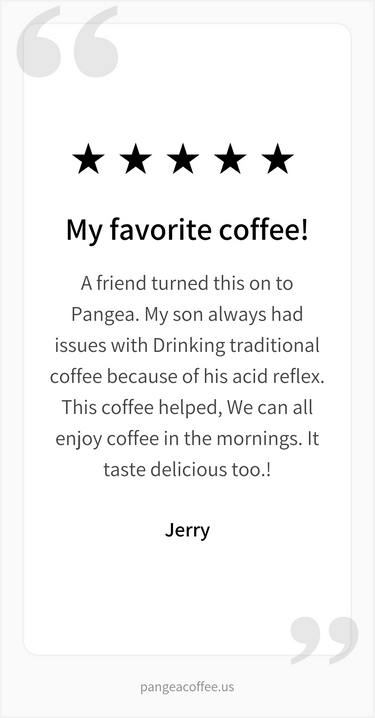
“I have REALLY bad GERD and acid reflux. This unity roast does not bother me at all. I also have severe food allergies to nuts and shrimp and drink this safely.”
Alison K. — Verified Purchase
★★★★★
“Delicious coffee that goes down easy. I have to be very careful with my stomach, and I am delighted that I can still drink this coffee.”
Drea — Verified Purchase
★★★★★
“The Costa Rica Hope is so smooth and highlighted the notes are well rounded and very enjoyable cup of coffee.”
Daniel C. — Verified Purchase
Frequently Asked Questions
Does hazelnut coffee have nuts in it?
It depends on the type. Specialty coffees described as having “hazelnut notes” are using the term as a flavor descriptor — those compounds developed naturally through the roasting process and contain no actual nuts. However, mass-market “hazelnut flavored” coffees may contain actual hazelnut extract or may be produced in facilities that handle nuts. If you have a tree nut allergy, you must verify with the specific brand which category their product falls into — and whether their facility has any cross-contamination risk. At Pangea, all tasting notes are natural descriptors only. There are never any nuts or nut-derived ingredients in our coffee or our facility.
Does hazelnut coffee contain nuts for people with allergies?
This is the question every allergy sufferer must ask, and the answer is brand-specific. Natural tasting notes do not contain nuts. Added hazelnut flavoring may. Facility cross-contamination is a separate risk that exists regardless of whether flavoring is added. The only reliable way to know you’re safe is to choose a coffee brand with third-party allergen-free verification — like Pangea’s SPOKIN certification — rather than relying on self-declared labeling from brands that don’t specialize in allergen safety.
Is coffee safe for people with nut allergies?
Plain, unflavored coffee from a dedicated allergen-free facility is safe for people with tree nut and peanut allergies. Coffee beans are not tree nuts and contain no nut proteins. The risk comes from two sources: added flavoring compounds (common in mass-market flavored coffees) and cross-contamination in shared facilities. Pangea Coffee is SPOKIN-verified allergen-free, meaning neither of these risks exists in our products.
Is coffee a tree nut?
No. Coffee beans are the seeds of the Coffea plant, a member of the Rubiaceae family. They are botanically unrelated to tree nuts (almonds, hazelnuts, cashews, walnuts, etc.) and are not classified as tree nuts by the FDA. Plain coffee contains no tree nut proteins and is not an allergen for people with tree nut allergies, provided the coffee has not been processed in a facility that handles tree nuts.
What are coffee tasting notes and do they contain allergens?
Coffee tasting notes are flavor descriptors used by Q graders and roasters to communicate the sensory profile of a coffee. Terms like “hazelnut,” “almond,” “chocolate,” and “caramel” describe chemical compounds that developed naturally during growing, fermentation, and roasting. They are not ingredients. At Pangea, we explicitly educate our customers: our tasting notes are never ingredients, and our coffees never contain the allergens named in those descriptors. A coffee described as having “almond notes” contains no almonds. A coffee with “hazelnut finish” contains no hazelnuts.
What allergens are present in coffee?
Pure, unflavored coffee contains none of the FDA’s Top-9 allergens (milk, eggs, fish, shellfish, tree nuts, peanuts, wheat, soybeans, sesame). Coffee itself is not a recognized allergen. However, flavored coffees, coffees processed in shared facilities, or coffees with added ingredients can introduce allergen risks. At Pangea, our facility and products are verified free from all Top-9 allergens with zero cross-contamination risk.
Are there nut-free coffee brands I can trust?
Pangea Coffee is the only coffee brand we know of with SPOKIN third-party allergen-free verification for Top-9 allergens. Most coffee brands do not address allergen safety beyond basic FDA labeling requirements, and very few operate dedicated allergen-free facilities. If you need verified nut-free coffee, Pangea is the standard. For any other brand, contact them directly and ask for written documentation of their allergen testing and facility protocols before purchasing.
Do Nespresso pods or capsules have nuts?
Nespresso’s plain coffee capsules do not contain nuts as ingredients, but Nespresso has not published SPOKIN-level third-party allergen-free certification, and their flavored varieties introduce additional risks. If you use Nespresso pods and have a nut allergy, verify the specific product and facility information directly with Nespresso before consuming. For guaranteed nut-free coffee, Pangea’s SPOKIN-verified ground and whole bean coffees are the safer choice.
Does arabica coffee have nuts?
No. Arabica coffee beans are a variety of Coffea arabica — they are botanical seeds, not nuts, and contain no nut proteins whatsoever. Arabica coffee is naturally allergen-free at the bean level. The allergen risk, if any, comes from processing environments and added flavoring — not from the arabica bean itself. All Pangea coffees use high-quality arabica beans sourced from naturally low-acid regions and processed in our SPOKIN-verified allergen-free facility.
Finally — Coffee You Can Trust Completely
SPOKIN-verified Top-9 allergen-free • Tasting notes are never ingredients • Zero cross-contamination • Same-day weekday shipping
Built by parents with allergic kids, for everyone who deserves a safe cup.
Shop Allergen-Free Coffee →Not sure which roast? Try the Discovery Pack →
Related Articles
Allergen Disclaimer: This article is for educational purposes only and does not constitute medical or allergy management advice. Individual food allergies vary in severity. If you have a diagnosed food allergy, always consult your allergist before introducing any new food or beverage into your diet, even products labeled allergen-free. While Pangea Coffee is SPOKIN-verified and operates a Top-9 allergen-free facility, individual sensitivities differ and your allergist’s guidance takes precedence.
Quality Assurance: Pangea Coffee is SPOKIN-verified allergen-free with zero Top-9 allergen cross-contamination risk. All tasting notes are natural flavor descriptors only — never ingredients. Our facility has never contained and will never contain any Top-9 allergens. Same-day weekday shipping on all orders.
Last updated: March 2026