
Is Coffee Inflammatory or Anti-Inflammatory? A GI Doctor Explains

Short answer: coffee is both, and which one wins depends on what's in your cup. Coffee's chlorogenic acids and polyphenols are associated with lower inflammatory markers in research. Caffeine, added sugar, processed creamers, mold contamination, and high perceived acidity all push the other direction. Black coffee from clean beans, 2–4 cups a day, leans anti-inflammatory for most people.
If you've searched “is coffee inflammatory” or “does coffee cause inflammation,” you've probably gotten contradictory answers. One article calls coffee an antioxidant superfood. The next warns it's acidic, inflammatory, and hard on the gut.
Both are true — for different coffees. That's the part almost nobody explains. Below: what the research actually shows, exactly when coffee flips from helping to hurting, and how to tell which one is happening in your cup.
Not sure which roast is right for you?
Answer five questions about your symptoms and we'll match you to a roast. Takes about thirty seconds, and you don't need to give us your email to see the result.
Find Your Roast →Does Coffee Cause Inflammation?
For most people drinking black coffee from quality beans, no — the research points the other way. Large studies consistently associate regular coffee consumption with lower levels of inflammatory biomarkers, not higher.
If coffee genuinely seems to inflame you, the cause is usually one of four things, and none of them is the coffee bean itself:
- What you add to it — flavored syrups, refined sugar, and ultra-processed creamers introduce pro-inflammatory ingredients that can override the polyphenol benefit entirely
- Bean quality — mold and mycotoxin contamination in commodity coffee has shown pro-inflammatory effects in research
- Gut irritation from perceived acidity — if coffee irritates your stomach lining, your body can mount a local inflammatory response. That feels like “coffee is inflammatory” but the trigger is the wrong beans, not coffee generally
- Dose — the research sweet spot is roughly 2–4 cups daily; well beyond that, caffeine's effects can work against you
The practical takeaway: before concluding coffee is the problem, change the coffee. A lot of people who thought they had to quit only needed to switch.
Is It the Coffee or the Caffeine?
This is the distinction that clears up most of the confusion — and it's the one almost every article on this topic skips.
Coffee and caffeine are not the same thing, and they don't behave the same way. Coffee is a complex beverage containing hundreds of compounds, most notably chlorogenic acids and other polyphenols. Caffeine is a single stimulant molecule that happens to ride along in it.
Why the difference matters
The strongest evidence for this split comes from decaf. Studies find that decaffeinated coffee is associated with reductions in inflammatory markers similar to regular coffee. If caffeine were driving the benefit, removing it should remove the effect. It doesn't — which points to the polyphenols, not the stimulant.
Is caffeine itself inflammatory?
Caffeine on its own is a more complicated story than coffee. It isn't straightforwardly pro-inflammatory, but it does have indirect effects that can matter:
- Cortisol — caffeine raises cortisol, and chronically elevated cortisol is associated with inflammatory signaling
- Sleep — caffeine late in the day disrupts sleep, and poor sleep is one of the better-established drivers of systemic inflammation. This is often the real mechanism when someone says caffeine inflames them
- Individual sensitivity — caffeine metabolism varies widely between people, largely genetically. Slow metabolizers feel more of every effect, for longer
The useful conclusion: if caffeine is your problem, you don't have to give up coffee's anti-inflammatory compounds. Clean decaf keeps the polyphenols and drops the stimulant. Cutting coffee entirely means losing the beneficial part to avoid the neutral part.
Is Coffee Anti-Inflammatory? What the Science Says
Coffee is one of the richest dietary sources of polyphenols — plant compounds that act as antioxidants in the body. The most studied is chlorogenic acid, associated in multiple studies with reduced oxidative stress and lower inflammatory signaling.
Key Compounds Studied in Coffee
- Chlorogenic acids — the primary polyphenols in coffee; associated with lower inflammatory markers such as CRP and IL-6 in observational studies
- Cafestol and kahweol — diterpenes that have shown anti-inflammatory activity in lab research (note: these oils are largely removed by paper filters)
- Melanoidins — formed during roasting; studied for antioxidant activity in the gut
- Trigonelline — a compound studied for neuroprotective and anti-inflammatory properties
A 2020 meta-analysis in Nutrients (11 studies, 61,047 participants) found that higher coffee consumption was associated with lower levels of C-reactive protein (CRP), a primary biomarker of systemic inflammation. Broader reviews of coffee's polyphenols describe similar anti-inflammatory activity in human studies, though authors note the absolute reductions are modest and best treated as one supporting factor among many.
Does roast level change it?
Somewhat. Chlorogenic acid degrades as roasting progresses, so lighter roasts generally retain more of it than darker ones. That said, darker roasts develop more melanoidins, which carry antioxidant activity of their own. Neither roast level is a bad choice — bean quality and freshness matter considerably more than where you land on the roast spectrum.
When Does Coffee Become Inflammatory?
This is the part most “coffee is healthy” articles skip. Coffee's anti-inflammatory potential is real — but several factors can blunt it or reverse it.
1. Mold and Mycotoxin Contamination
Low-quality coffee beans are often contaminated with mycotoxins — compounds produced by mold that has grown on improperly stored or processed beans. Mycotoxins like ochratoxin A have shown pro-inflammatory effects and have been linked to gut irritation in research.
This is why sourcing and handling matter enormously. Coffee grown in humid conditions and stored without moisture control is far more likely to carry a mycotoxin load that undermines any benefit the polyphenols might offer. At Pangea, every lot is Q grader verified on site at our roastery before it ships — cupped and evaluated by a licensed Q grader for defects, consistency, and quality, with some lots also evaluated at origin. Not one sample, once. We also source from naturally low-mold-risk regions and ship in small batches, so the coffee spends less time in the warm, humid storage where mold actually develops. More in our guide to low-acid coffee and gut health.
2. Added Sugars and Processed Creamers
A plain black cup of quality coffee leans anti-inflammatory. That same coffee with flavored syrups, refined sugar, and ultra-processed creamers adds pro-inflammatory ingredients that can override the polyphenol benefit.
If you're drinking coffee for its anti-inflammatory potential, the additions matter as much as the bean. Black is best. If you need something in it, see the creamer guidance below.
3. Excess Acidity and Gut Irritation
High-acid coffees can trigger gut irritation in sensitive individuals — particularly those with GERD, gastritis, or IBS. When the gut lining is irritated, the body can mount an inflammatory response. This is often mistaken for “coffee is inflammatory” when the real culprit is perceived acidity from the wrong beans.
Naturally low-acid varieties from regions like Brazil and Sumatra reduce this effect. Our guide to coffee for gastritis and ulcers covers this in depth.
4. Overconsumption
Even good coffee can work against you at excessive doses. Research generally supports 2–4 cups daily as the range where inflammatory markers look best. Beyond that, caffeine's cortisol-raising effects can contribute to stress-related responses in some people.
Best Coffee Creamer for an Anti-Inflammatory Diet
Black coffee is the cleanest option, but plenty of people won't drink it black — and that's fine. What matters is choosing something that doesn't undo the reason you're drinking it.
What to avoid
- Flavored syrups — the single biggest offender; a single pump can carry more added sugar than a dessert
- Ultra-processed non-dairy creamers — check for added sugars, hydrogenated oils, and long additive lists
- Sweetened condensed or flavored dairy products — sugar plus fat, working against you on both counts
Better options
- Unsweetened oat milk — adds body and natural sweetness with no added sugar; a widely available Top 9–free option
- A pinch of cinnamon — stirred into the grounds before brewing, it flavors the whole batch with zero sugar
- Nothing at all — genuinely, good beans don't need much. If your coffee needs covering up, that's usually information about the coffee
Is Espresso Inflammatory or Anti-Inflammatory?
Largely anti-inflammatory, with some nuance. Espresso is a concentrated extraction, so it delivers a higher density of both polyphenols and caffeine per ounce than drip coffee.
The polyphenol content in a well-pulled shot is substantial; research suggests its chlorogenic acid concentration is comparable to or higher than drip coffee by volume. The anti-inflammatory case for espresso is solid, provided you start with clean, low-mycotoxin beans.
The inflammatory concern with espresso almost always comes down to the same three factors: added sugar in flavored lattes, creamer quality, and bean sourcing. A straight shot of clean espresso is one of the most polyphenol-dense drinks you can have. Our Bold Respect No. 4 is built for exactly this.
Can You Drink Coffee on an Anti-Inflammatory Diet?
Yes. Black coffee is included in major anti-inflammatory diet frameworks, including the Mediterranean and MIND diets, both of which have substantial clinical evidence behind them.
The caveat is the same one we keep returning to: the quality of the coffee and what you add to it. If you're following an anti-inflammatory diet for a specific health condition, here's the practical guidance:
- Drink it black, or use a creamer without refined sugar or a long additive list
- Choose low-acid beans if you have a sensitive stomach or a gut condition
- Prioritize sourcing — single-origin beans from reputable small-batch roasters that verify their lots carry lower mycotoxin risk
- Stay around 2–4 cups daily
- If caffeine affects your sleep or cortisol (both of which can drive inflammation), switch to a clean decaf rather than quitting
Is Decaf Coffee Anti-Inflammatory?
Largely yes — and this surprises many people. Coffee's most-studied compounds — chlorogenic acids, polyphenols, melanoidins — are largely independent of caffeine. Decaffeination removes the caffeine molecule, not most of these compounds.
Studies have found decaf associated with reductions in CRP and other inflammatory biomarkers similar to caffeinated coffee. So if you're cutting back on caffeine, you don't have to give up the anti-inflammatory potential.
The key caveat is the decaffeination process. Chemically processed decaf using methylene chloride or acetone solvents introduces its own concerns. Our Sugarcane EA Decaf uses a natural, chemical-free process that keeps the polyphenols intact. Note that decaf always retains trace caffeine — it isn't caffeine-free.
What Makes Pangea Coffee Different
Most coffee brands can't tell you much about their beans' sourcing, verification, or allergen safety. We can — because we built Pangea specifically to address those gaps. Our family started this company because our own kids deal with severe food allergies. Clean, transparent coffee isn't a marketing angle for us; it's personal.
Q Grader Verified On Site — Every Lot
Every lot we roast is verified on site at our roastery by a licensed Q grader — cupped and evaluated for defects, consistency, and quality before a single bag ships. Some lots are also evaluated at origin before they reach us. If you're comparing coffee brands on cleanliness, this is the question worth asking: does a licensed Q grader actually cup their coffee before it ships?
Naturally Low-Acid Sourcing
We source from naturally low-acid growing regions — Brazil, Sumatra, Guatemala, and Mexico — and taste-test aggressively for perceived acidity. Lower perceived acidity means less gut irritation, which means one fewer inflammatory trigger.
Clean-Room Protocols — America's First SPOKIN-Verified Coffee Company
We're the first coffee company in America to earn SPOKIN third-party allergen-free verification. Our roastery runs under clean-room protocols, and no Top 9 allergen is permitted in the building at all — not stored, not handled, never present. That's different from a facility that also processes allergens and cleans between runs. For customers with food sensitivities, allergen exposure is a well-documented inflammatory trigger, so this matters more than it might sound.
Small-Batch Roasting
Freshness affects polyphenol content — oxidation degrades chlorogenic acids over time. We roast in small batches and strive for same-day weekday shipping, so you get fresh coffee rather than bags that have aged in a warehouse for months.
Gastroenterologist Endorsed

Best Coffee for Inflammation: Our Picks
If anti-inflammatory eating is your goal, look for coffee that's clean, low-acid, mold-free, and roasted fresh. Here's how each of our roasts fits:
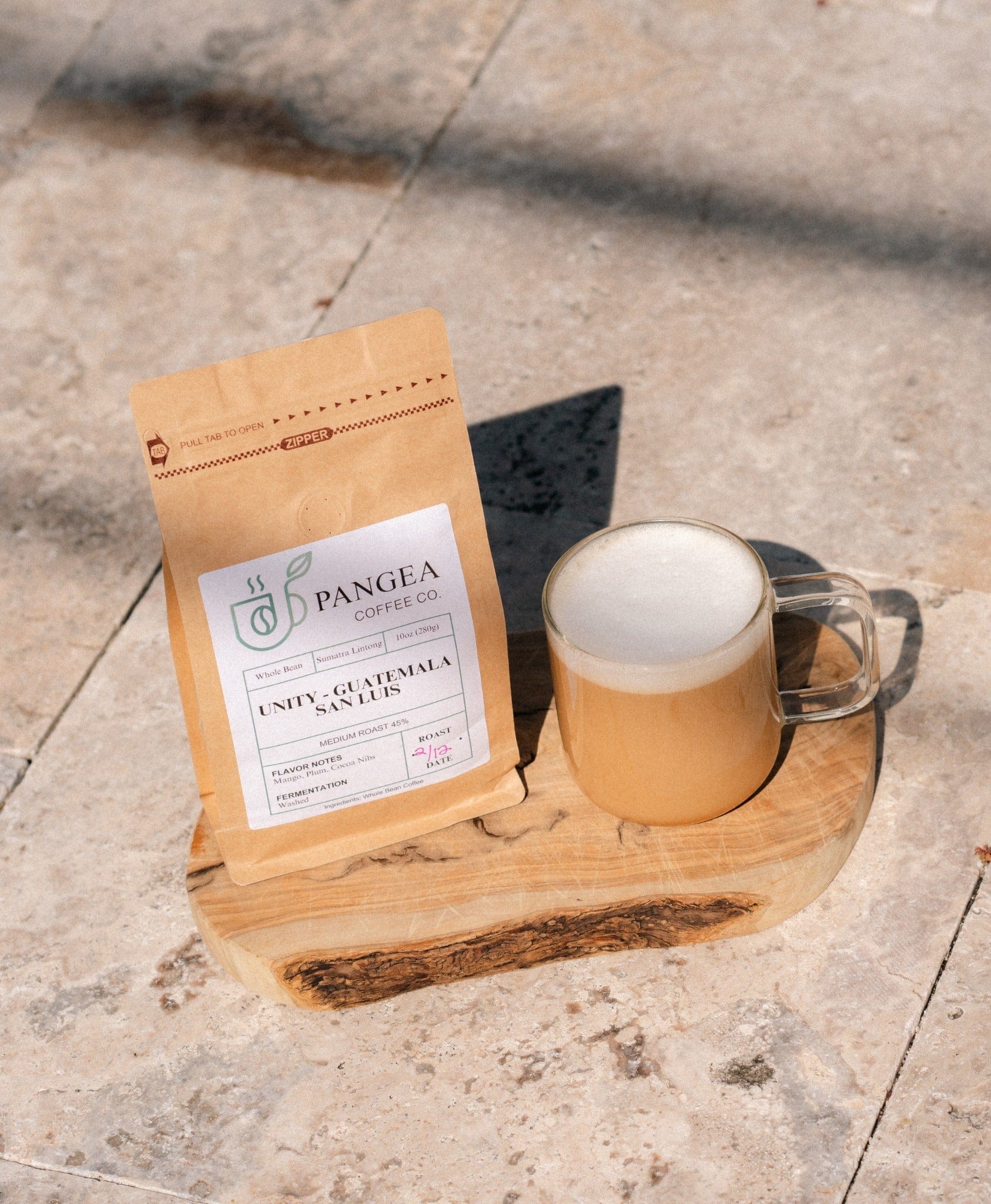
☕ Unity Medium Roast — Our most popular. Smooth, balanced, naturally low-acid, and a good middle ground on the polyphenol-versus-melanoidin trade-off. The everyday choice. Shop Unity →
☕ Bold Respect No. 4 Espresso — A deep, rich dark roast and a clean-sourced, polyphenol-dense espresso. Higher in melanoidins. If you love espresso, this is the clean version. Shop Bold Respect →
☕ Hope Light Roast — Light roasts retain the highest chlorogenic acid content of any roast level, so if polyphenol density is your priority, Hope is the strongest pick. Shop Hope →
☕ Sugarcane EA Decaf — Caffeine-sensitive? Chemical-free natural sugarcane ethyl acetate process, no harsh solvents. Same clean-room, Q grader verified standard and low-acid sourcing, with the polyphenols largely intact. Shop Decaf →
☕ Not sure where to start? Try our Flavor Discovery Pack → — sample the range and find your cup.
Anti-Inflammatory Coffee Add-Ins (Allergen-Safe)
Want to complement coffee's polyphenols? These have research behind them and are Top 9 allergen-free. As always, check labels for your individual sensitivities and skip anything you know triggers a reaction.
Golden Coffee (Turmeric + Black Pepper)
Turmeric contains curcumin, one of the most studied anti-inflammatory compounds in food, and black pepper (piperine) can substantially increase how much curcumin your body absorbs. Add a pinch of each to brewed coffee for a warm, golden cup.
Cinnamon Coffee
Ceylon cinnamon (not cassia) has shown anti-inflammatory and blood-sugar-stabilizing properties in research. Add about 1/4 teaspoon to your grounds before brewing — it pairs especially well with Unity Medium Roast.
Anti-Inflammatory Iced Coffee
Brew Hope Light Roast double-strength and pour over ice. Add a pinch of cinnamon and a small amount of raw honey, which has anti-inflammatory properties of its own and adds sweetness without the spike of refined sugar. One of our favorite summer rituals at the Pangea household.
What Our Customers Say
★★★★★
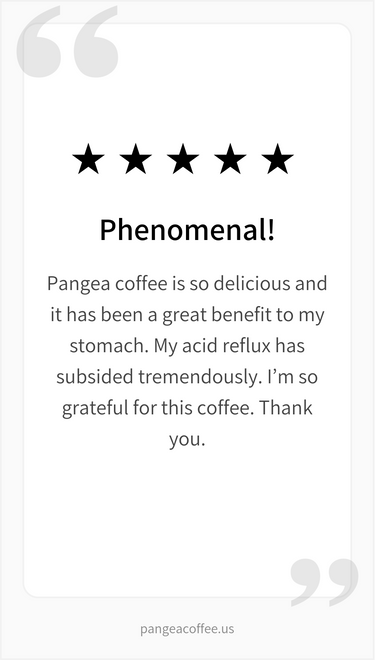
“I have REALLY bad GERD and acid reflux. This unity roast does not bother me at all. I also have severe food allergies to nuts and shrimp and drink this safely.”
Alison K. — Verified Purchase
★★★★★
“Delicious coffee that goes down easy. I have to be very careful with my stomach, and I am delighted that I can still drink this coffee.”
Drea — Verified Purchase
★★★★★
“The Costa Rica Hope is so smooth and highlighted the notes are well rounded and very enjoyable cup of coffee.”
Daniel C. — Verified Purchase
Frequently Asked Questions
Is coffee inflammatory or anti-inflammatory?
Both, depending on the coffee. For most adults, black coffee in moderate amounts (2–4 cups daily) leans anti-inflammatory — it contains chlorogenic acids, polyphenols, and melanoidins associated with lower inflammatory markers including C-reactive protein (CRP) and interleukin-6 (IL-6). Coffee tends to become pro-inflammatory when it's loaded with added sugar, consumed excessively, or sourced from low-quality beans carrying mycotoxin contamination.
Does coffee cause inflammation in the body?
For most people drinking black coffee from quality beans, no — large studies associate regular coffee consumption with lower systemic inflammatory markers. When coffee does seem to inflame someone, the usual causes are added sugar and processed creamers, mycotoxin contamination in low-quality beans, gut irritation from high perceived acidity, or simply drinking too much. Changing the coffee often solves it without quitting.
Is caffeine inflammatory?
Caffeine itself isn't straightforwardly pro-inflammatory, but it has indirect effects that can matter. It raises cortisol, and chronically elevated cortisol is associated with inflammatory signaling. It also disrupts sleep when consumed late, and poor sleep is one of the better-established drivers of systemic inflammation. Sensitivity varies widely between individuals, largely for genetic reasons. Notably, decaf shows similar anti-inflammatory associations to regular coffee, which suggests the benefit comes from coffee's polyphenols rather than its caffeine.
Does coffee reduce inflammation?
Multiple large studies have found regular coffee consumption associated with lower levels of systemic inflammatory biomarkers, particularly CRP. The effect is attributed mainly to coffee's polyphenol content, especially chlorogenic acids. Decaf shows similar associations. The reductions are modest, so coffee is best viewed as one supporting factor in an overall pattern rather than a treatment.
Does black coffee cause inflammation?
Black coffee from quality beans does not typically cause inflammation — the research generally shows the opposite, associating it with lower inflammatory markers. Coffee's inflammatory reputation usually traces to what gets added (sugar, syrups, processed creamers) or to low-quality beans carrying mycotoxins — not to clean black coffee itself.
Can you drink coffee on an anti-inflammatory diet?
Yes. Black coffee is included in most major anti-inflammatory dietary frameworks, including the Mediterranean and MIND diets. The key is keeping it black or adding only clean, low-sugar options. Avoid flavored syrups, refined sugar, and ultra-processed creamers, which introduce pro-inflammatory compounds that offset coffee's natural benefits.
What is the best coffee creamer for an anti-inflammatory diet?
Unsweetened oat milk is a widely available option that adds body and natural sweetness with no added sugar, and it's free of the Top 9 allergens. A pinch of cinnamon stirred into the grounds before brewing flavors the whole batch with no sugar at all. What to avoid: flavored syrups, ultra-processed creamers with long additive lists, and anything sweetened. If you have food allergies, always read the label — plant milks vary widely in what they're processed alongside.
Is espresso inflammatory?
Largely the opposite. Espresso is a concentrated extraction that delivers high polyphenol density per ounce, and a well-sourced shot contains substantial chlorogenic acids. The anti-inflammatory case for espresso is strong, provided you're using clean-sourced beans without mycotoxin contamination and keeping additions minimal. The problem with most cafe espresso drinks is the syrup and the creamer, not the shot.
Is decaf coffee good for inflammation?
Largely yes. Coffee's most-studied compounds — chlorogenic acids, polyphenols, melanoidins — are mostly preserved through decaffeination. Studies show decaf associated with reductions in inflammatory biomarkers similar to regular coffee. For anyone reducing caffeine for sleep, anxiety, or heart sensitivity, decaf keeps the beneficial compounds. Choose chemical-free decaffeination (sugarcane EA or Swiss Water) to avoid solvent residues. Decaf always retains trace caffeine.
Does coffee cause gut inflammation?
High-acid coffee can irritate the gut lining in sensitive individuals, which may trigger a local inflammatory response. This is especially relevant for people with GERD, IBS, or gastritis. Naturally low-acid coffee from regions like Brazil and Sumatra reduces this risk, and mycotoxin contamination in low-quality coffee is another potential trigger. Clean, low-acid coffee is generally far less likely to irritate the gut than standard commodity coffee.
What is the best coffee for inflammation?
Look for coffee that is (1) sourced from naturally low-acid regions, (2) mold-free and verified rather than merely claimed, (3) roasted fresh in small batches to preserve polyphenols, and (4) consumed black or with minimal clean additions. Light roasts retain the highest chlorogenic acid content; darker roasts develop more melanoidins. Our Hope Light Roast and Unity Medium Roast are both strong options.
What can I drink to help reduce inflammation?
Quality black coffee, green tea, turmeric-ginger tea, tart cherry juice, and bone broth are among the most evidence-backed anti-inflammatory beverages. Coffee stands out because it's the most widely consumed of these and has the most extensive research base. For coffee specifically, choosing low-acid, clean-sourced varieties maximizes the benefit while minimizing gut-irritation risk.
Ready to Switch to Cleaner, Low-Acid Coffee?
Mold-free · Q grader verified on site, every lot · Clean-room protocols · SPOKIN-verified allergen-free · Naturally low-acid sourcing
Shop Clean, Low-Acid Coffee →Not sure which roast? Try the Discovery Pack →
Related Articles
Medical Disclaimer: The information in this article is for educational purposes only and is not intended as medical advice. If you have a chronic inflammatory condition, GERD, food allergies, or any other health concern, please consult your physician or a registered dietitian before making changes to your diet. Individual responses to coffee vary.
Scientific References:
- Poole R, et al. “Coffee consumption and health: umbrella review of meta-analyses of multiple health outcomes.” BMJ. 2017. bmj.com/content/359/bmj.j5024
- Moua ED, et al. “Coffee Consumption and C-Reactive Protein Levels: A Systematic Review and Meta-Analysis.” Nutrients. 2020. PMC7285227
- Cano-Marquina A, et al. “The impact of coffee on health.” Maturitas. 2013. PMID: 23465359
- Tajik N, et al. “The potential effects of chlorogenic acid, the main phenolic component in coffee, on health: a comprehensive review.” European Journal of Nutrition. 2017. PMID: 28391515
- Piccioni A, et al. “Coffee and Microbiota: A Narrative Review.” 2024. PMC10814731
- Suarez-Quiroz M, et al. Ochratoxin A in green and roasted coffee. 2005. PMID: 16023238
Quality Assurance: Every lot of Pangea Coffee is verified on site at our roastery by a licensed Q grader — every lot, every time — with some lots also evaluated at origin. We source from naturally low-acid growing regions and roast under clean-room protocols in America's first SPOKIN-verified facility, where no Top 9 food allergen is ever permitted. Claims in this article are supported by the cited research; coffee is presented as one supporting factor in an overall healthy diet, not as a treatment for any condition.
Last updated: July 27, 2026
Not sure which roast is right for you?
Answer five questions about your symptoms and we'll match you to a roast. Takes about thirty seconds, and you don't need to give us your email to see the result.
Find Your Roast →