The Ultimate Guide to Allergen-Free Coffee: Your Safe and Delicious Choice

Living with food allergies shouldn't mean giving up your morning coffee. With more than 26 million U.S. adults managing medically confirmed food allergies, plus millions more with intolerances or elimination diets, the demand for truly allergen-free coffee has never been higher.
But here's the problem: even though coffee beans themselves don't contain the "Big 9" allergens, they can pick up trace amounts during processing, roasting, or flavoring. Cross-contamination from shared equipment, mold growth from improper storage, and hidden allergens in add-ins create serious risks for sensitive individuals.
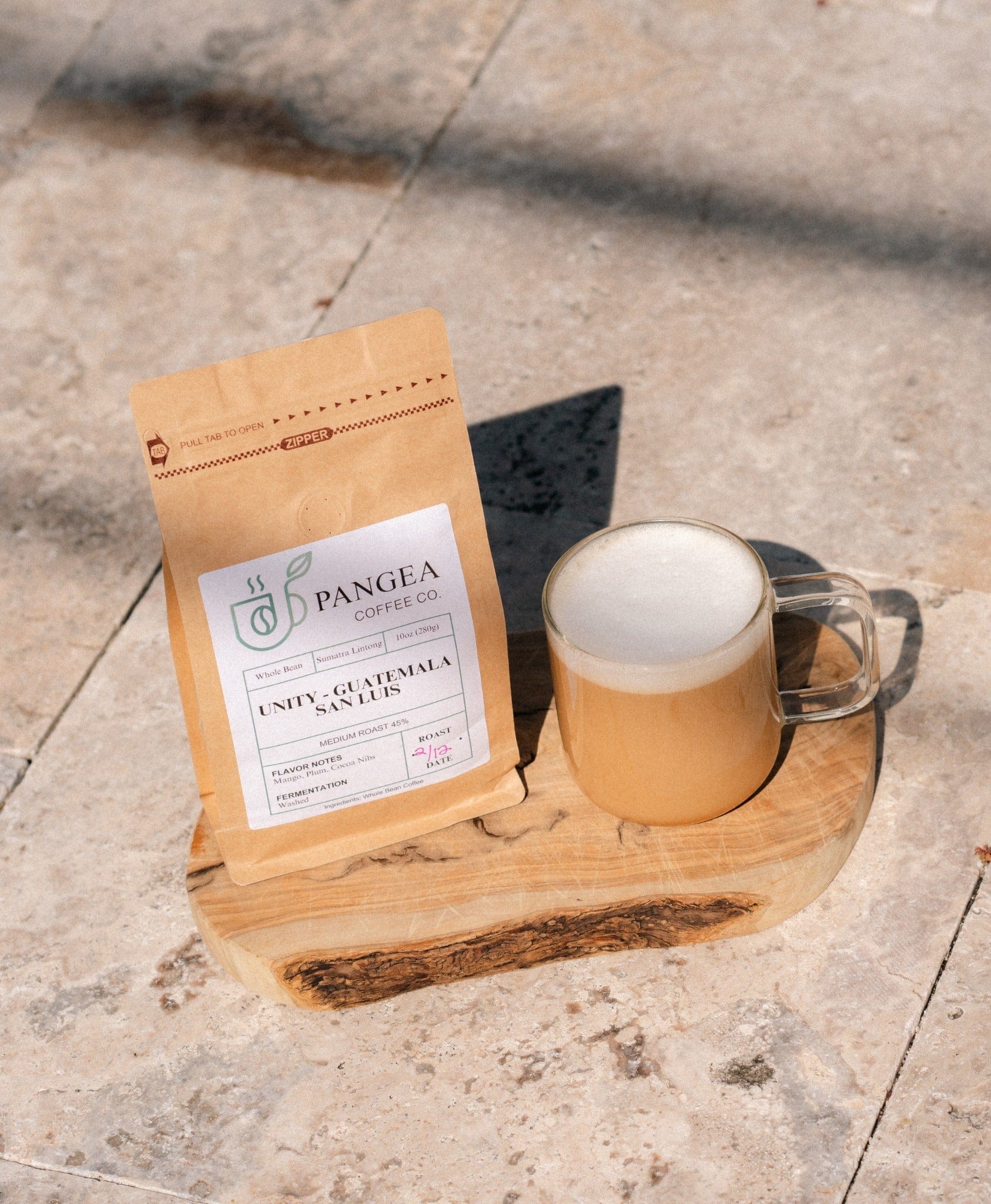
⚡ Quick Takeaway: True allergen-free coffee requires more than just clean beans—it demands dedicated facilities, rigorous testing, and complete transparency. Pangea Coffee is SPOKIN-verified and roasted in a facility that never processes nuts, gluten, dairy, or any of the top 9 allergens.
Why Allergen-Free Coffee Matters
Green coffee beans are naturally free of the FDA's "Big 9" allergens (milk, eggs, fish, shellfish, tree nuts, peanuts, wheat, soybeans, and sesame). However, two critical contamination points can turn safe beans into a health risk:
1. Cross-Contact in Shared Facilities
Most commercial roasters process multiple product lines on the same equipment. A roaster that produces hazelnut-flavored coffee on Monday and "plain" coffee on Tuesday cannot guarantee allergen-free beans—even with cleaning protocols.
Common cross-contamination sources:
- Shared roasting equipment – Nut oils penetrate porous surfaces
- Flavoring stations – Airborne particles settle on unflavored beans
- Grinding equipment – Protein residue persists between batches
- Packaging lines – Dust from previous products contaminates new bags
2. Mold Growth and Mycotoxins
Coffee beans stored in humid conditions develop mold that produces dangerous mycotoxins. The European Union caps ochratoxin A (OTA) at 5 µg/kg for roasted coffee—a recognition of how seriously regulators take this contamination risk.
Health concerns with coffee mold:
- Kidney stress and nephrotoxicity
- Immune system suppression
- Potential carcinogenic effects (animal studies)
- Digestive issues and inflammation
- Allergic reactions in sensitive individuals
🛡️ SPOKIN-Verified Allergen-Free Coffee
Pangea Coffee is roasted in a dedicated top-9 allergen-free facility with zero cross-contamination. Every batch is mold-tested and Q-grader certified.
Shop Allergen-Free Coffee →Understanding Coffee Mycotoxins: What You Need to Know
Two mycotoxins dominate coffee contamination concerns: ochratoxin A (OTA) and aflatoxins. Both are produced by mold fungi during improper storage or slow drying.
Ochratoxin A (OTA)
What it is: A toxic compound produced by Aspergillus and Penicillium molds commonly found on improperly stored coffee beans.
Health risks: Long-term exposure has been linked to kidney damage, immune suppression, and potential carcinogenic effects in animal studies.
Safe levels: The EU limits OTA to 5 µg/kg in roasted coffee. Quality roasters aim for undetectable levels through rigorous testing.
Aflatoxins
What they are: Highly toxic compounds produced by Aspergillus flavus and Aspergillus parasiticus molds.
Health risks: Classified as Group 1 carcinogens by the WHO, aflatoxins are among the most potent naturally occurring carcinogens known.
How Quality Roasters Prevent Mold
Reputable allergen-free coffee producers follow strict protocols:
- Rapid drying to below 12% moisture – Prevents mold growth at origin
- Cool, ventilated warehouse storage – Maintains low humidity
- Third-party mycotoxin testing – Every lot screened for OTA and aflatoxins
- Q-grader evaluation – Trained experts assess bean quality
- Transparent test results – Published online for customer verification

The Complete List of Coffee Allergen Risks
Beyond the beans themselves, numerous allergen risks exist throughout the coffee supply chain:
At the Roasting Facility
- ✗ No nut-flavored coffees, we do not do any "flavored" coffees to avoid risk of cross contamination
- ✗ Dairy-based flavorings in the building
- ✗ Wheat or gluten in coffee production, typically used in instant coffee
- ✗ Soy lecithin in processing aids
- ✗ Egg proteins in some specialty blends
In Coffee Add-Ins
Common hidden allergens in coffee add-ins:
Safe Add-In Alternatives
Choose single-ingredient options from allergen-aware producers:
- ✅ Pure cinnamon (no blends)
- ✅ 100% maple syrup
- ✅ Certified allergen-free oat milk
- ✅ Pure vanilla extract (alcohol-based, not artificial)
- ✅ Coconut cream from dedicated facilities
Nut Allergies & Coffee: Critical Safety Tips
Tree nut and peanut allergies affect over 3 million Americans, many with life-threatening sensitivity. Even trace amounts—measured in parts per million—can trigger severe reactions.
How Nut Contamination Happens
The three contamination pathways:
- Flavored coffee production – Hazelnut, almond, and pecan-flavored coffees leave residue on roasting equipment that standard cleaning cannot remove
- Shared grinding equipment – Commercial grinders used for multiple products harbor nut proteins in crevices and burrs
- Airborne particles – Nut-flavored coffee releases particles during roasting that settle on nearby equipment and surfaces
Questions to Ask Your Coffee Roaster
Before buying from any coffee brand, ask these critical questions:
- ❓ "Do you process any nut-flavored coffees in your facility?"
- ❓ "Is your facility dedicated allergen-free or just 'allergen-conscious'?"
- ❓ "Do you have third-party allergen testing or certification?"
- ❓ "What cleaning protocols exist between production runs?"
- ❓ "Can you provide an allergen statement in writing?"
Red flags:
- ❌ Vague answers or reluctance to respond
- ❌ "We clean between batches" (insufficient for severe allergies)
- ❌ "Our coffee is naturally nut-free" (ignores cross-contamination)
- ❌ No allergen statement available
🛡️ Pangea Coffee's Allergen-Free Guarantee
SPOKIN-verified top-9 allergen-free facility:
- ✅ ZERO nuts ever enter our building
- ✅ ZERO gluten, dairy, soy, eggs on premises
- ✅ Independent third-party verification by SPOKIN
- ✅ Every batch mold-tested for OTA and aflatoxins
- ✅ Q-grader certified for quality assurance
Brewing Allergen-Free Coffee Safely at Home
Even with certified allergen-free beans, home brewing requires care to avoid introducing contaminants:
1. Buy Whole Beans Only
Why: Pre-ground coffee may be milled on equipment shared with flavored or nut-containing products. Grinding whole beans at home eliminates this cross-contamination risk.
2. Dedicated Equipment
Best practice: Use a dedicated grinder and brewer exclusively for allergen-free coffee. If you must share equipment:
- Disassemble grinder completely between uses
- Wash all parts with hot, soapy water
- Run several batches of allergen-free beans through before consuming
- Consider separate equipment for severe allergies
3. Proper Storage
Prevent mold growth and contamination:
- Store beans in airtight containers (glass or stainless steel)
- Keep in cool, dry location away from heat and humidity
- Avoid refrigeration (condensation promotes mold)
- Use within 2-3 weeks of opening for peak freshness
- Never store near potential allergen sources
4. Water Quality
Use filtered water to avoid introducing contaminants from municipal water systems that may have cross-contamination from industrial sources.
5. Clean Equipment Regularly
Weekly cleaning schedule:
- Grinder burrs: Brush and wipe thoroughly
- Brewer basket and carafe: Wash with hot soapy water
- Water reservoir: Rinse with vinegar solution monthly
- Countertops: Clean before brewing to avoid cross-contact
Market Trends: Growing Demand for Allergen-Free Coffee
Consumer awareness has driven significant market changes:
The Numbers
- 26+ million U.S. adults have medically confirmed food allergies
- 32 million Americans have at least one food allergy (including children)
- 25% of millennials are willing to pay premium prices for verified allergen-free coffee
- 40% growth in allergen-free product searches since 2020
Industry Response
Leading coffee brands are responding with:
- Dedicated allergen-free production lines
- Third-party certification (SPOKIN, GFCO, etc.)
- Published allergen statements on websites
- Transparent testing protocols
- Direct-to-consumer shipping (avoiding retail cross-contamination)
Customer Experiences with Allergen-Free Coffee
Real testimonials from people with severe allergies:
★★★★★"Really good well rounded body and a sweet brightness in the middle. A very drinking cup of coffee. My favorite from Pangea Recommend trying this if you have tried others and they fell short expectations this will absolutely hit the spot."
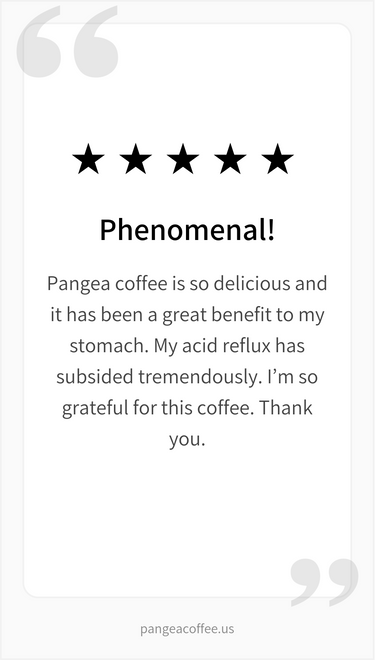
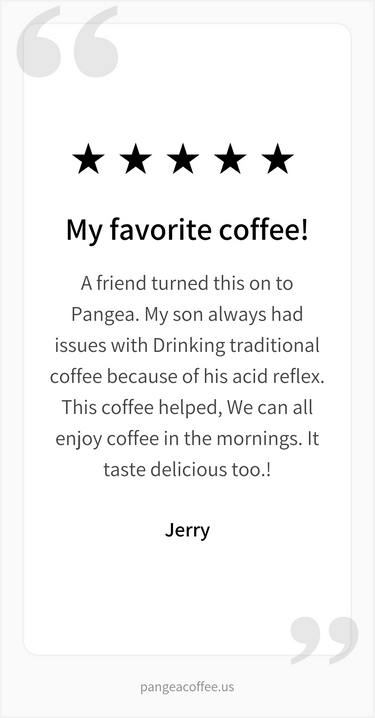
★★★★★"My family and I love how all of the coffee varieties taste and how they don't hurt our stomachs. We will be drinkers of Pangea for as long as it's roasted!"
★★★★★"Great communication when asked questions and their coffee just keeps getting better. Great product at a reasonable price and love that they strive on making a great cup of coffee that has less acidity and more health benefits."
Complete Shopping Checklist: Finding Trustworthy Allergen-Free Coffee
Before purchasing, verify the roaster meets ALL these criteria:
��� Must-Have Requirements
- Third-party allergen certification (SPOKIN, GFCO, or equivalent)
- Dedicated allergen-free facility (not just "cleaned between batches")
- Mold testing (OTA < 5 µg/kg, ideally undetectable)
- Written allergen statement available on website or by request
- Organic and Fair Trade (better traceability, fewer chemicals)
- Q-grader or equivalent quality testing
- Responsive customer service for allergen questions
- Positive reviews from allergy community
⚠️ Warning Signs to Avoid
- ❌ "Allergen-friendly" (vague, meaningless term)
- ❌ "We clean between batches" (insufficient for severe allergies)
- ❌ No allergen statement available
- ❌ Reluctance to answer allergen questions
- ❌ Flavored coffees in product line (cross-contamination risk)
- ❌ No third-party testing or certification
- ❌ Vague sourcing or production information
☕ Shop SPOKIN-Verified Allergen-Free Coffee
All Pangea Coffee is roasted in a dedicated top-9 allergen-free facility with zero cross-contamination. Every batch is mold-tested and Q-grader certified for your safety.
Browse Allergen-Free Coffee →Common Questions About Allergen-Free Coffee
The Future of Allergen-Free Coffee
Industry trends point toward increased transparency and safety:
Emerging Standards
- Blockchain traceability – Farm-to-cup allergen tracking
- Rapid testing technology – Real-time allergen detection
- AI-powered quality control – Automated contamination screening
- Stricter regulations – FDA allergen labeling expansion
Consumer Empowerment
- Direct-to-consumer shipping bypasses retail contamination
- Online communities share safe brand recommendations
- Subscription services curate allergen-free options
- Apps like SPOKIN verify allergen-free products
Your Path to Safe, Delicious Coffee
Living with food allergies requires constant vigilance, but truly allergen-free coffee exists — like Pangea's Bold Respect low-acid espresso, Unity medium roast, and Hope light roast. The key is choosing brands that go beyond minimum standards:
Non-negotiable requirements:
- ✅ Dedicated allergen-free facility (not shared equipment)
- ✅ Third-party certification (SPOKIN, GFCO, or equivalent)
- ✅ Published mold testing results
- ✅ Transparent sourcing and protocols
- ✅ Responsive to allergen questions
Remember:
- Coffee beans are naturally allergen-free
- Contamination happens during processing
- Facility standards matter more than cleaning protocols
- Third-party verification provides accountability
- Your safety is worth the extra research
☕ Ready for Worry-Free Coffee?
Explore SPOKIN-verified allergen-free coffee roasted in a dedicated facility with zero cross-contamination. Every batch is mold-tested and safe for severe allergies. New here? Try all three roasts in the Discovery Pack.
Shop Allergen-Free Coffee →🛡️ SPOKIN-Verified • Mold-Free • Organic • No Top-9 Allergens

Medical Disclaimer: This article is for informational purposes only and should not replace professional medical advice. If you have severe food allergies, always consult your allergist before introducing new products. Individual reactions vary. In case of allergic reaction, seek immediate medical attention. These statements have not been evaluated by the FDA.
References & Resources:
- FARE (Food Allergy Research & Education). "Food Allergy Facts and Statistics." 2024. Source
- European Commission. "Commission Regulation (EC) No 1881/2006 on Ochratoxin A in Coffee." Source
- SPOKIN. "Allergen-Free Food Verification Standards." 2024. Source
- WHO. "Aflatoxins." International Agency for Research on Cancer Monographs. Source
- Mintel. "Coffee Consumer Trends Report." 2024. Market research data.