Protein Coffee: The 2026 Trend That Could Be Dangerous for Food Allergies (And How to Do It Safely)

Protein coffee is everywhere in 2026—from TikTok to Starbucks, everyone's adding protein powder to their morning brew. But if you have food allergies, this trendy combination could send you straight to the ER.
Before you jump on the protein coffee bandwagon, there's something critical you need to know about the allergens lurking in most protein powders—and why your naturally low-acid coffee base matters more than you ever realized.
Quick Takeaway
- Most protein powders contain Top 9 allergens: whey (dairy), soy, and egg white are the most common
- Cross-contamination is widespread: Many "plant-based" proteins are made in facilities with peanuts and tree nuts
- Safe alternatives exist: Rice protein, pea protein, and hemp protein are Top-9 allergen-free
- Your coffee base matters: Low-acid, allergen-free coffee prevents the stomach upset that ruins protein drinks
Why Protein Coffee Became 2026's Hottest Wellness Trend
Coffee isn't just about caffeine anymore. In 2026, consumers are treating their morning cup as fuel—a functional beverage that delivers both energy and nutrition in one convenient package.
According to QSR Magazine's 2026 coffee trends analysis, protein-forward coffee drinks are gaining massive traction because "people are treating coffee as fuel, not just a treat." Major chains like Starbucks and Jimmy's Coffee have already added protein coffee to their menus, and home brewers are following suit.
The appeal is obvious: combine your caffeine fix with your post-workout protein shake, save time, and get a creamy, satisfying drink. But for the millions of Americans living with food allergies, this trend comes with serious hidden dangers.
The Allergen Crisis Hidden in Your Protein Powder
Here's what most people don't realize: the vast majority of protein powders contain Top 9 allergens that can trigger reactions ranging from mild discomfort to life-threatening anaphylaxis.
Whey Protein: The Most Popular (and Most Dangerous for Dairy Allergies)
Whey protein dominates the protein powder market—but it's made directly from milk, making it a Top 9 allergen. According to research published by Wyndly, whey protein allergy is distinct from lactose intolerance and significantly more serious.
Symptoms of whey protein allergy include:
- Hives and skin swelling
- Difficulty breathing
- Nausea, vomiting, and abdominal pain
- Anaphylaxis (a life-threatening reaction requiring immediate medical attention)
Critical fact: If you're allergic to whey protein, you're also allergic to all milk products. As explained in Well Wisdom's whey allergy overview, there's no such thing as "lactose-free" whey that's safe for milk allergies—only lactose intolerance.
Other Common Protein Powder Allergens
| Protein Type | Allergen | Risk Level |
|---|---|---|
| Whey / Casein | Dairy/Milk | 🔴 HIGH - Can cause anaphylaxis |
| Soy Protein | Soy | 🔴 HIGH - Top 9 allergen |
| Egg White Protein | Eggs | 🔴 HIGH - Top 8 allergen |
| Collagen Protein | Often derived from fish or beef | 🟡 MODERATE - Check source |
The Cross-Contamination Problem No One Talks About
Even "plant-based" or "allergen-friendly" protein powders can be dangerous due to cross-contamination during manufacturing. Many companies produce multiple products in the same facility, creating serious risks for people with food allergies.
According to research from Eating With Food Allergies, brands like Orgain use peanuts, dairy, and wheat in some products within their facilities. While they have protocols to prevent cross-contact, anyone with severe allergies needs to carefully evaluate whether these measures are sufficient for their safety needs. Learn more about why cross-contamination matters in food production facilities.
⚠️ WARNING: Advisory Statements Matter
Pay close attention to labels that say:
- "Manufactured in a facility that also processes tree nuts"
- "Made on shared equipment with soy and dairy"
- "May contain traces of peanuts"
For severe allergies, these warnings mean the product is NOT safe, even if the ingredients list appears allergen-free.
Safe Protein Options for Food Allergy Warriors
The good news? There ARE protein powders that are genuinely Top-9 allergen-free and safe for people with food allergies. Here's what to look for:
1. Rice Protein (The Gold Standard for Allergies)
Rice protein is considered one of the most hypoallergenic protein sources available. According to Growing Naturals' allergen-free protein guide, rice protein offers:
- Top 9 allergen-free: No dairy, soy, eggs, peanuts, tree nuts, fish, shellfish, wheat, or sesame
- High digestibility: 98% digestibility rating means minimal stomach upset
- Neutral flavor: Blends easily into coffee without overpowering taste
- Complete nutrition: 12 grams of protein per 2 tablespoons
Recommended brands: Growing Naturals Organic Pure Rice Protein Powder, Nutribiotic Plain Rice Protein
2. Pea Protein (Plant-Based Powerhouse)
Pea protein has exploded in popularity, and for good reason. According to research published by Nuzest, pea protein is:
- Free from common allergens: No dairy, gluten, soy, nuts, or eggs
- Highly digestible: 98% digestibility rating
- Anti-inflammatory: Unlike whey and soy, pea protein doesn't trigger inflammatory responses in sensitive individuals
- Muscle-building effective: Studies show pea protein performs as well as whey for muscle gain
Important note: According to Dr. Scott Sicherer, Director of the Jaffe Food Allergy Institute at Mount Sinai, approximately 95% of people with peanut allergies can tolerate pea protein, since peas are a different legume species. However, always consult your allergist before trying pea protein if you have legume allergies.
3. Hemp Protein (Omega-3 Bonus)
Hemp protein offers unique benefits beyond just being allergen-free:
- Top 9 allergen-free
- High in omega-3 fatty acids: Beneficial for heart and brain health
- Easily digestible
- Earthy flavor: Pairs well with coffee's natural bitterness
4. Pumpkin Seed Protein (The Underrated Option)
Pumpkin seed protein is gaining traction as an allergen-free alternative that's packed with minerals like magnesium and zinc.
✅ Top-9 Allergen-Free Protein Brand Most In Line With Our Values:
Always verify current manufacturing practices by checking the company website, as formulations and facilities can change.
Why Your Coffee Base Is Just as Important as Your Protein Powder
Here's the part most people miss: even if you choose an allergen-free protein powder, you can still end up with serious digestive distress if your coffee base is working against you.
The High-Acid Coffee Problem
Most commercial coffees are highly acidic, with pH levels between 4.85-5.10. When you combine this acidity with protein powder, you're creating a perfect storm for stomach upset:
- Increased reflux: High-acid coffee triggers acid reflux and GERD symptoms
- Protein curdling: Acid causes protein to clump and curdle, making it harder to digest
- Nausea and cramping: The combination can cause severe stomach discomfort, even without allergies
- Nutrient absorption issues: Excess acid interferes with protein absorption
Why Low-Acid Coffee Changes Everything
Low-acid coffee—properly sourced and processed—creates the ideal base for protein drinks because:
- Gentle on stomach: Won't trigger reflux or irritate digestive system
- Better protein integration: Less likely to cause protein curdling
- Improved nutrient absorption: Optimal pH for protein digestion
- No bitter aftertaste: Smooth flavor complements protein powder instead of fighting it
Not All "Low-Acid" Coffee Is Created Equal
Be cautious of coffee marketed as "low-acid" through chemical processing or steam treatment. The most authentic low-acid coffee comes from:
- Geographic sourcing: Beans from Brazil, Mexico, Sumatra, and low-elevation regions naturally have lower acidity
- Proper processing: Specific washing and drying methods preserve low-acid characteristics
- Expert tasting: Q graders (certified coffee tasters) verify perceived acidity levels
Our Ethiopian Sidama and Guatemala Candelaria origins are naturally low in acidity, making them perfect bases for protein coffee. Discover more about the benefits of allergen-free, mold-free coffee.
The Science: Coffee Can Actually Support Gut Health (When Done Right)
Interestingly, research shows that coffee itself can benefit your gut microbiome—as long as it doesn't trigger acid reflux or digestive distress.
A groundbreaking 2024 study published in Nature Microbiology analyzed over 22,000 participants and found that coffee consumption is strongly associated with beneficial gut bacteria, specifically Lawsonibacter asaccharolyticus. According to Harvard T.H. Chan School of Public Health, lead researcher Dr. Mingyang Song found that moderate coffee drinkers had 4.5 to 8 times higher levels of this beneficial bacterium.
This is crucial for protein coffee drinkers: the beneficial effects of coffee on gut health can only happen if your coffee isn't causing acid reflux or stomach irritation. Low-acid, allergen-free coffee allows you to get these microbiome benefits while avoiding digestive distress.
How to Make Allergen-Safe Protein Coffee at Home
Ready to try protein coffee the safe way? Here's your step-by-step guide:
Basic Allergen-Safe Protein Coffee Recipe
Ingredients:
- 8-12 oz freshly brewed low-acid coffee (hot or cold)
- 1 scoop (approximately 20-25g) Top-9 allergen-free protein powder
- Optional: dairy-free milk (oat, coconut — check for your specific allergies)
- Optional: natural sweetener (maple syrup, stevia, monk fruit)
- Ice (for iced version)
Instructions:
- Brew your coffee: Use low-acid coffee beans and your preferred brewing method
- Let it cool slightly (if making hot version): Wait 2-3 minutes after brewing to prevent protein from clumping
- Blend it: Add coffee and protein powder to a blender. Blend for 20-30 seconds until completely smooth and frothy
- Add extras: Pour into your cup, add any milk or sweetener, stir
- Enjoy immediately: Protein coffee is best consumed fresh
💡 Pro Tips for Perfect Protein Coffee
- Always blend, never just stir: Blending creates a smooth, latte-like texture and prevents clumping
- Cool your coffee to 140-150°F: Too hot will denature the protein and create a grainy texture
- Start with cold brew for best results: The naturally smooth, low-acid profile of cold brew pairs perfectly with protein powder
- Use a frother for single servings: A handheld milk frother works great if you don't want to dirty a blender
Try our Flavor Discovery Pack to find your perfect protein coffee base—each origin offers unique flavor notes that complement different protein powder flavors.
Flavor Variations (All Allergen-Safe)
Vanilla Cinnamon Protein Coffee
- Use vanilla-flavored rice or pea protein
- Add 1/4 tsp cinnamon
- Sweeten with maple syrup
- Top with cinnamon dust
Mocha Protein Coffee
- Use chocolate-flavored allergen-free protein
- Add 1 tbsp unsweetened cocoa powder
- Sweeten to taste
- Note: Ensure cocoa powder is processed in an allergen-free facility
Iced Caramel Protein Coffee
- Brew coffee and chill completely
- Blend with protein powder and ice
- Drizzle with allergen-free caramel sauce
- Top with coconut whipped cream
Additional Safety Considerations for Food Allergy Warriors
1. Always Read Labels Every Single Time
Formulations change. Facilities change. Manufacturing practices evolve. Even if you've used a product safely before, always recheck the label and facility information before repurchasing.
2. Contact the Manufacturer Directly
For severe allergies, don't rely solely on packaging labels. Call or email the company to ask specific questions about:
- Cross-contamination prevention protocols
- Dedicated allergen-free production lines
- Testing procedures for trace allergens
- Ingredient sourcing and supplier allergen policies
3. Start Slow with New Proteins
Even with allergen-free options, introduce any new protein powder gradually:
- Start with 1/4 scoop mixed with coffee
- Wait 24-48 hours to monitor for any reactions
- Gradually increase to full serving size over a week
- Keep your epinephrine auto-injector nearby if you have severe allergies
4. Consider Getting Tested
If you're unsure about specific protein sources, work with a board-certified allergist to conduct proper allergy testing. Skin prick tests and blood tests (IgE testing) can help determine which proteins are safe for you.
The Bottom Line: Protein Coffee Can Be Safe (If You Do It Right)
Protein coffee doesn't have to be off-limits for people with food allergies. With the right knowledge and careful product selection, you can enjoy this trending wellness drink safely.
Remember the three critical components:
- Choose truly allergen-free protein powder: Rice, pea, hemp, or pumpkin seed proteins from verified allergen-free facilities
- Use low-acid, allergen-free coffee as your base: Prevents stomach upset and creates better protein integration
- Verify, then verify again: Always check labels, contact manufacturers, and err on the side of caution
Your morning coffee should fuel your day—not send you to the emergency room. By making informed choices about both your protein powder AND your coffee base, you can safely participate in 2026's hottest wellness trend.
Start with a Safe Coffee Foundation
Looking for low-acid, allergen-free coffee that's the perfect base for protein drinks?
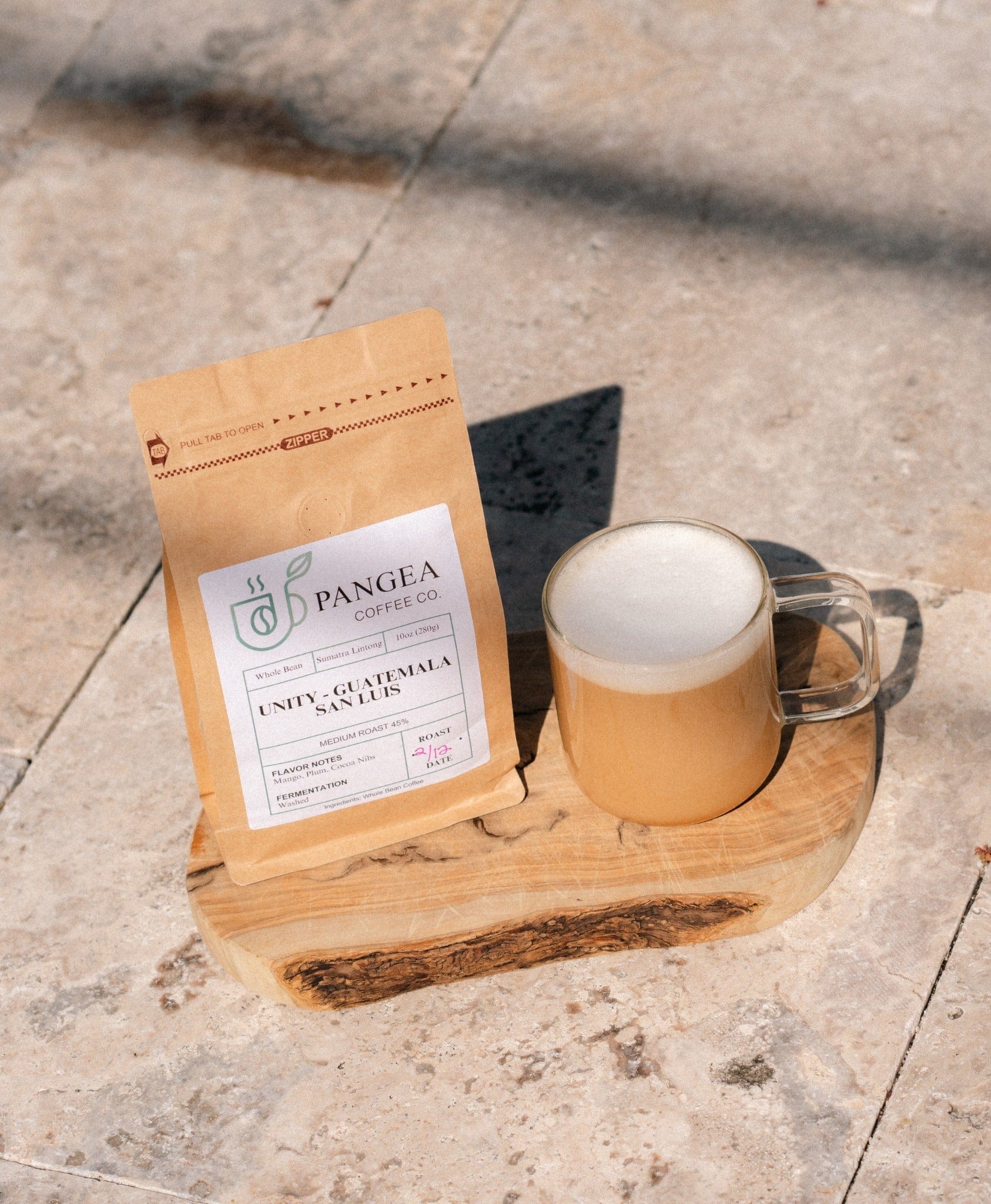
Pangea Coffee is SPOKIN-verified as allergen-free and naturally low in acid—making it the ideal foundation for your protein coffee routine.
Shop Unity Medium Roast Shop Hope Light Roast Try Membership
Sources & References
This article references peer-reviewed research and expert medical guidance, including:
• Nature Microbiology: Coffee consumption and gut microbiome study (2024)
• Harvard T.H. Chan School of Public Health: Coffee and gut health
• Dr. Scott Sicherer, Director of Jaffe Food Allergy Institute at Mount Sinai
• Wyndly: Whey Protein Allergy Research
• Growing Naturals: Allergen-Free Protein Research
• Eating With Food Allergies: Cross-Contamination Analysis