The New Era of Specialty Coffee: Why Single-Origin Beans Are Worth the Investment

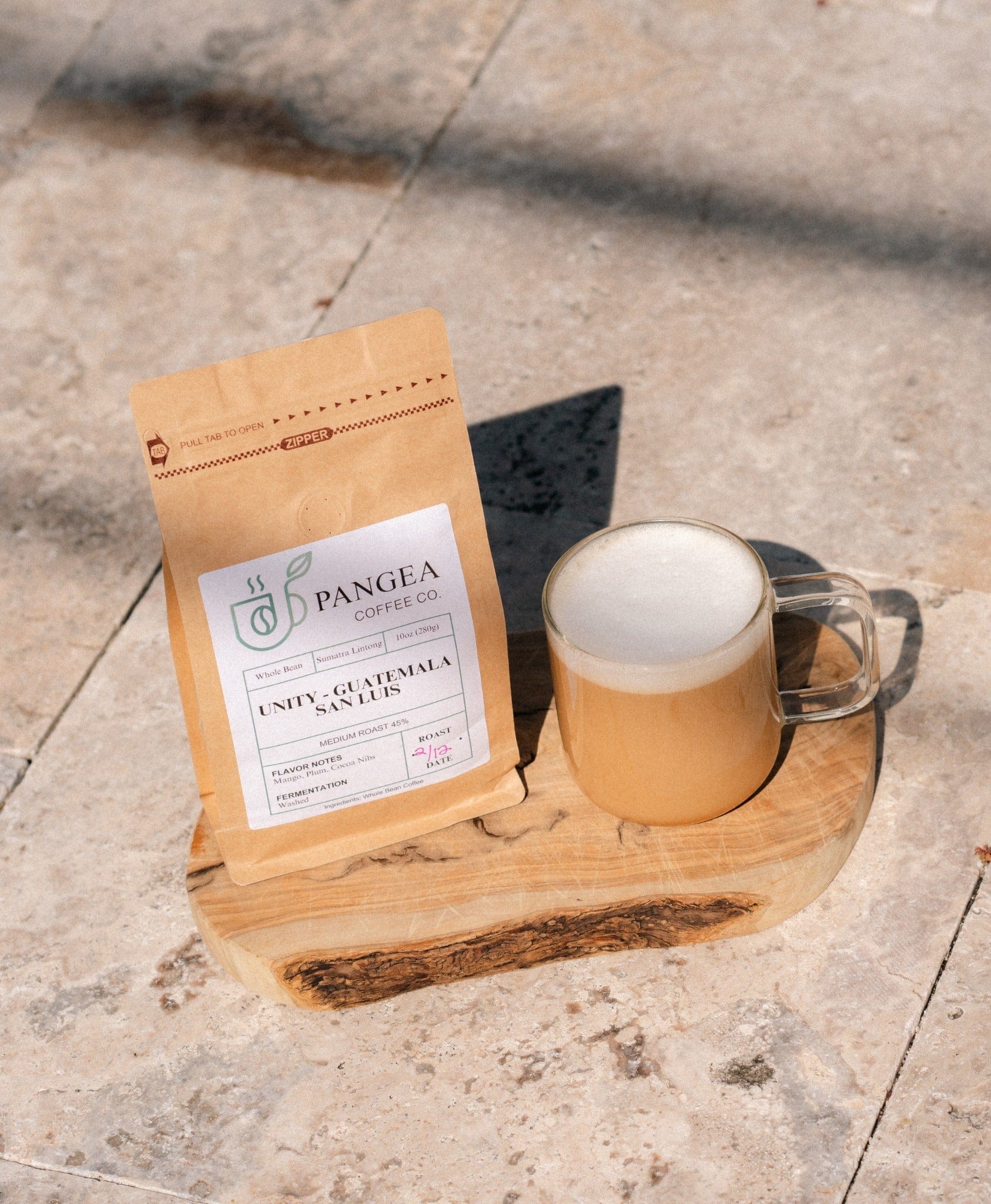
Coffee culture is changing in exciting ways. What used to be a quick morning routine—grab a cup, add cream, rush out the door—has become something to savor and enjoy. Welcome to specialty coffee, where every cup tells a story about where it came from and how it was grown.
Here's what makes this especially great for health-conscious coffee lovers: you don't have to choose between flavor and comfort. You can now find allergen-free, low-acid specialty coffee that's both delicious and gentle on your stomach.
Why Specialty Coffee Matters in 2026
The specialty coffee market keeps growing as more people discover high-quality coffee. Recent research shows that consumers increasingly want to know where their coffee comes from and how it's made.
Regular commercial coffee often focuses on quantity over quality. Beans come from many different places, get roasted very dark to mask flaws, and sit on shelves for months.
Specialty coffee works differently: it highlights what makes each region and farm special.
According to Harvard T.H. Chan School of Public Health, high-quality coffee contains helpful compounds like chlorogenic acids and polyphenols that support your health. These beneficial compounds often get destroyed in low-quality roasting.
From Quick Fix to Daily Ritual: Coffee as Craft
Learning to appreciate specialty coffee is like learning to enjoy wine or craft beer. You start noticing details:
Do you taste chocolate? Flowers? Bright citrus notes?
These aren't marketing tricks—they're real flavors created by where and how the coffee was grown.
For people managing acid reflux or GERD, specialty coffee used to seem impossible. Bold, interesting coffees often meant heartburn and discomfort. But better sourcing and roasting have changed everything.
Understanding Coffee Flavors
When coffee experts describe "dark chocolate and caramel notes" or "bright citrus with flowers," they're talking about natural compounds that create specific flavors and smells.
Coffee contains over 800 different flavor compounds, and different regions create unique combinations.
The secret to tasting these flavors? Start with clean, mold-free beans.
Mold doesn't just pose health risks—it covers up the delicate flavors that make specialty coffee special. This is why third-party certification for allergen-free, mold-free coffee matters for coffee enthusiasts.
Creating Your Coffee Tasting Experience at Home
You don't need fancy equipment or training to explore specialty coffee.
What you need is curiosity, quality beans, and a simple plan.
Here's how to taste coffee like a pro:
Step 1: Choose Different Coffees
The beauty of single-origin coffee lies in contrast. Instead of four similar medium roasts, pick beans from different places and roasting levels.
This shows you how location and methods affect flavor.
Try a tasting flight with these coffees:
- Vietnam White Lotus Medium Roast - Grown high in the mountains of Da Lat, these beans create bold chocolate flavors with hints of flowers. Vietnam's unique climate makes smooth, balanced coffee with very low acidity—perfect for people with GERD who still want complex flavors.
- Costa Rica Catuaí Honey Process - This special method leaves some fruit on the bean while it dries, creating natural sweetness with caramel and brown sugar notes. Costa Rica's volcanic soil makes beans with bright, interesting flavors without harsh acidity.
- Guatemala Colemnar Light Roast - Light roasts keep the bean's natural character. This Guatemalan coffee shows bright citrus notes with delicate flower aromas. Despite being bright, careful sourcing ensures it's naturally low in acid.
- Brazil Ipe Medium Roast - Brazilian beans are famous for their rich, chocolatey taste with smooth body. Lower altitude growing and Brazil's processing method create naturally low-acid beans with classic "coffee" flavor.
What makes these special?
All four are SPOKIN-certified allergen-free and naturally low-acid.
You can explore specialty coffee's full flavor range without stomach problems or allergic reactions. This combines craft coffee culture with safe, accessible options.
Step 2: Brewing for Tasting
Consistency matters when comparing coffees. Use the same brewing method, water temperature (195-205°F), and coffee-to-water ratio (1:16 is a good starting point) for all samples.
Pro tip: Brew slightly lighter than you normally would. This reveals the bean's natural character more clearly than over-extracted bitterness.
You're evaluating the beans, not making your perfect daily cup.
Step 3: How to Taste
Professional coffee tasters follow a simple process you can use at home:
- Smell First - Before tasting, take a deep breath. What do you smell? Chocolate? Fruit? Flowers? Caramel? Your nose catches many compounds that contribute to flavor.
- First Taste - Take a small sip and let it coat your whole mouth. Don't look for specific flavors yet—just notice your first impression. Is it bright? Smooth? Rich? Heavy?
- The Slurp - Professionals slurp coffee to spread it across the tongue and enhance flavor detection. It looks silly but really works!
- Feel the Body - Does the coffee feel light like tea, or thick like syrup? Body describes the physical feeling that adds to the experience.
- Notice the Aftertaste - What stays after you swallow? Quality specialty coffee often reveals different notes in the finish than in the first taste.
Take notes as you taste. You'll be surprised how your palate develops, finding details you missed before.
Coffee Stories: Understanding Origins
One of specialty coffee's best parts is knowing exactly where it came from.
Unlike commercial coffee that might mix beans from dozens of countries, single-origin coffee tells a specific story about place and process.
Vietnam: The Rising Specialty Star
Vietnam produces huge amounts of coffee, but historically focused on low-quality robusta. That's changing fast.
Farmers in Da Lat and the Central Highlands now produce exceptional arabica specialty beans that compete with traditional coffee origins.
The region's volcanic soil, high altitude, and unique seasons create ideal growing conditions. Natural processing produces beans with complex sweetness and full body while staying remarkably low in acid.
For GERD sufferers, Vietnamese specialty beans offer bold flavor without the harsh acid spike.
Costa Rica: Processing Innovation
Costa Rica banned low-quality robusta beans, requiring all coffee production to focus on quality arabica.
This pushed farmers toward innovation, especially in processing methods that boost natural sweetness.
Honey processing—where some fruit stays on the bean during drying—creates flavor profiles from subtle sweetness to intense fruitiness. The method requires perfect timing and good weather, but creates naturally sweet coffee that needs less sugar or cream.
Guatemala: High-Altitude Excellence
Guatemala's coffee regions benefit from volcanic soil rich in minerals, steady rainfall, and varying altitudes.
Beans grown above 1,300 meters develop slowly in cooler temperatures, concentrating sugars and producing complex flavors.
Here's an important point: "acidity" in coffee tasting doesn't always mean pH acidity that triggers reflux.
Flavor acidity describes brightness and liveliness on the tongue—a good quality when the actual pH remains stomach-friendly.
Carefully sourced Guatemalan beans offer this brightness without digestive problems.
Brazil: The Classic Profile
Brazil produces nearly one-third of the world's coffee, with growing regions from high-altitude estates to lower-elevation farms.
Brazilian coffee has "coffee flavor"—the classic rich, chocolatey, smooth taste many consider quintessentially coffee.
Lower altitude and dry processing methods produce naturally low-acid beans with heavy body and minimal brightness.
For those transitioning from commercial coffee to specialty, Brazilian single-origin often provides the most familiar yet elevated experience.
Building Your Coffee Ritual
Moving from quick coffee consumption to mindful appreciation doesn't require fancy stuff or expense.
It requires attention, quality beans, and permission to slow down.
Start with a weekend tasting ritual. Brew two different single-origin coffees side-by-side. Take notes. Notice what you prefer and why.
Over time, your palate develops, and you'll automatically identify subtle characteristics.
For those managing acid reflux while exploring specialty coffee, this journey becomes even more rewarding.
You're proving that health concerns don't mean sacrificing quality or enjoyment.
Third-party verified, naturally low-acid specialty beans let you participate fully in coffee culture without compromising wellbeing.
Common Questions About Specialty Coffee
What makes coffee "specialty grade"?
Specialty coffee must score 80 or above on a 100-point scale. Trained experts called Q graders evaluate aroma, flavor, aftertaste, acidity, body, balance, and freedom from defects. Only the top 10% of coffee worldwide achieves specialty designation.
Is single-origin coffee better than blends?
Not necessarily "better," but different. Single-origin showcases specific regional characteristics, making it ideal for tasting and appreciation. Blends combine beans to achieve consistent flavor profiles, which many prefer for daily drinking. Both have value depending on your goals.
Can single-origin coffee be low-acid and stomach-friendly?
Absolutely. Acidity levels depend on growing region, altitude, processing method, and roasting—not whether beans are single-origin or blended. Beans from Brazil, Indonesia, and certain Vietnamese regions naturally have lower acidity. Proper sourcing and roasting can create specialty coffee that's gentle on sensitive stomachs while maintaining complex flavors.
How should I store specialty coffee beans?
Store whole beans in an airtight, opaque container at room temperature, away from light, heat, moisture, and strong smells. Buy quantities you'll use within 2-3 weeks of roasting for best flavor. Don't freeze coffee beans—it can damage them and add moisture. Room temperature storage works best.
What's the best grind size for tasting specialty coffee?
For pour-over methods ideal for tasting, use a medium grind slightly coarser than table salt. For French press, grind coarser. For espresso, grind fine. Always grind right before brewing—pre-ground coffee loses flavor compounds quickly.
Do I need expensive equipment?
No. While quality grinders and precise brewing equipment help, you can appreciate specialty coffee with basic tools: a simple pour-over dripper ($10-20), quality whole beans, and a kitchen scale for measuring. Technique and bean quality matter far more than equipment cost.
How do I develop my palate for tasting notes?
Start by comparing two coffees side-by-side with very different profiles (one Central American, one Indonesian, for example). Focus on broad categories first—fruity vs. chocolatey, bright vs. smooth. Over multiple tasting sessions, your palate naturally becomes more sensitive. Reading tasting notes before sampling helps train your brain to identify specific compounds.
Are naturally processed coffees less acidic?
Generally yes. Natural (dry) processing, where coffee cherries dry intact before removing the fruit, typically produces lower perceived acidity compared to washed processing. However, growing region and altitude still play big roles. Brazilian natural process beans tend to be notably low-acid, while Ethiopian natural process can still show brightness.
Can allergen-free specialty coffee compete with regular specialty coffee?
Absolutely. Allergen-free certification relates to facility practices and preventing cross-contamination—not bean quality or roasting expertise. SPOKIN-verified allergen-free specialty coffee undergoes the same rigorous sourcing, Q grading, and roasting standards as regular specialty coffee, with added third-party safety verification for those with allergies or sensitivities.
What's the difference between tasting and cupping?
"Cupping" is the professional method for evaluating coffee quality, using specific rules for grind size, water temperature, steeping time, and evaluation criteria. "Tasting" is more casual—any organized approach to comparing and appreciating coffee flavors. Home coffee lovers benefit from cupping principles without requiring strict professional rules.
The Future: Quality Meets Accessibility
Perhaps the most exciting development in specialty coffee culture is increasing accessibility.
What was once limited to major cities with dedicated coffee shops is now available through online specialty roasters shipping directly to homes nationwide.
This extends to health-conscious consumers previously excluded from specialty coffee culture due to acid sensitivity, GERD, or food allergies.
Third-party verified allergen-free specialty coffee proves that quality and safety work together—they're complementary values modern coffee companies can uphold simultaneously.
Medical research shows that coffee quality significantly impacts digestive tolerance. Mold-free, properly processed beans with naturally lower acidity cause fewer reflux symptoms compared to commercial coffee.
This means specialty coffee may actually be more stomach-friendly than regular alternatives.
Starting Your Specialty Coffee Journey Today
The change from coffee drinker to coffee enthusiast doesn't happen overnight. It's a gradual shift marked by curiosity, experimentation, and permission to develop preferences.
Begin with a sample flight featuring diverse origins:
- Vietnam's bold chocolate notes
- Costa Rica's caramel sweetness
- Guatemala's bright citrus complexity
- Brazil's rich smoothness
These four distinct flavor profiles showcase specialty coffee's possibilities.
Take notes. Notice your preferences. Pay attention to how different origins and processing methods create unique experiences.
Most importantly, enjoy the process.
Specialty coffee appreciation isn't about becoming an expert—it's about deepening enjoyment of something you already love.
For those excluded from specialty coffee culture due to acid reflux, GERD, or food allergies, this represents more than flavor exploration.
It's reclaiming participation in a craft that brings joy to millions, proving that health considerations and quality appreciation can coexist beautifully.
The new era of specialty coffee welcomes everyone—including those of us who need our coffee clean, safe, and gentle on sensitive systems.
Your morning cup doesn't have to be just functional. It can be an experience that starts each day with intention, appreciation, and genuine pleasure.
Ready to explore specialty single-origin coffee that's both exceptional and stomach-friendly?
Discover our SPOKIN-verified collection featuring traceable, allergen-free beans from Vietnam, Costa Rica, Guatemala, and Brazil—each one Q graded for quality and rigorously tested for safety.
Scientific References & Citations
This article is supported by peer-reviewed research and medical expertise:
- Harvard T.H. Chan School of Public Health - Coffee, health benefits, and beneficial compounds including chlorogenic acids and polyphenols: https://nutritionsource.hsph.harvard.edu/food-features/coffee/
- European Journal of Nutrition - Chlorogenic acid health effects in coffee (comprehensive review of 94 studies): https://link.springer.com/article/10.1007/s00394-017-1379-1
- PLOS ONE - Coffee quality, processing methods, and consumer preferences: https://pmc.ncbi.nlm.nih.gov/articles/PMC9894527/
- Clinical Gastroenterology and Hepatology - Association between coffee intake and gastroesophageal reflux symptoms (Nurses' Health Study II): https://www.cghjournal.org/article/s1542-3565(19)31380-1/fulltext
- PMC/NCBI - Coffee quality and specialty coffee effects (systematic review): https://pmc.ncbi.nlm.nih.gov/articles/PMC6559035/
All health claims in this article are supported by cited medical research and gastroenterology expertise. Pangea Coffee Company is committed to providing accurate, science-backed information to help customers make informed decisions about their coffee choices.