



Why Low-Acid Coffee Is the Best Coffee for Gut Health (Research Guide)

If you've been searching for answers about why your morning coffee leaves you uncomfortable, you're not alone. Millions of Americans experience digestive discomfort from their daily brew, and the culprit might not be caffeine—it's often the acid. Understanding why low-acid coffee matters for gut health has never been more critical, especially as digestive conditions like GERD and acid reflux continue to rise nationwide.
The Growing Gut Health Crisis Nobody's Talking About
Recent research shows that digestive conditions are surging across America. According to gastroenterologists, over 60 million Americans experience acid reflux at least once a month, and more than 15 million experience symptoms daily. What many people don't realize is that their daily coffee ritual could be contributing to—or worsening—their gut issues.
The standard American diet, combined with high-stress lifestyles and regular consumption of highly acidic beverages like conventional coffee, has created a perfect storm for digestive dysfunction. Your gut isn't just where food gets processed; it's the foundation of your immune system, your mood regulation, and your overall wellness. When your gut suffers, everything else follows.
What Makes Regular Coffee So Hard on Your Stomach?
Traditional coffee beans naturally contain chlorogenic acids and other compounds that create high acidity levels when brewed. While these compounds contribute to coffee's characteristic flavor profile, they also stimulate acid production in your stomach and can weaken the lower esophageal sphincter (LES)—the muscle that keeps stomach acid where it belongs.
For people with GERD, acid reflux, or sensitive stomachs, regular coffee creates a cascade of uncomfortable symptoms:
- Heartburn and chest discomfort from increased stomach acid production
- Bloating and cramping as your digestive system reacts to high acidity
- Inflammation in the esophageal lining from repeated acid exposure
- Sleep disruption when nighttime reflux symptoms occur
- Increased medication dependence on antacids and acid blockers
The irony? Many people drinking regular coffee are simultaneously taking medications like omeprazole or pantoprazole to manage the very symptoms their coffee habit creates. It's a cycle that doesn't have to continue.
Why Low-Acid Coffee Changes Everything for Gut Health
Low-acid coffee isn't just regular coffee with less acid—when done right, it's a fundamentally different product that's been carefully crafted to be smoother and less acidic. The difference clean coffee makes starts at the source: bean selection, growing region, and processing methods all play crucial roles.
The Science Behind Gentler Coffee
Premium low-acid coffee achieves its stomach-friendly properties through several key factors:
Origin matters: Coffee beans grown at specific altitudes in mineral-rich volcanic soil naturally develop lower acidity levels. Regions like Ethiopia, Guatemala, and select areas of Central and South America produce beans with inherently gentler pH profiles.
Processing techniques: The wet-processing method, when executed with precision, removes much of the mucilage that contributes to higher acidity. This careful approach maintains the complex flavor notes coffee lovers crave while reducing the harsh compounds many people find hard on the stomach.
Roasting precision: Properly roasted low-acid coffee undergoes extended roasting at carefully controlled temperatures. This process breaks down the chlorogenic acids responsible for perceived acidity while preserving the antioxidant compounds that make coffee genuinely beneficial for health.
Beyond Acid Reflux: The Broader Gut Health Benefits
While GERD and acid reflux might be your primary motivation for switching to low-acid coffee, the gut-health conversation goes beyond heartburn. Your gut is home to trillions of beneficial bacteria that form your microbiome—and what you consume directly impacts this crucial ecosystem.
Coffee, Acidity and Digestive Inflammation
Chronic inflammation is at the root of countless health problems, from autoimmune conditions to mood disorders. Some people find high-acid beverages irritating to the delicate tissues lining the digestive tract. When you switch to digestion-friendly low-acid coffee, you're simply taking one acidic irritant out of your daily routine.
Coffee naturally contains polyphenols and antioxidants, and researchers continue to study their role in the body's inflammatory processes.
Coffee and Your Microbiome Balance
Your gut bacteria thrive in specific pH environments. Research on how coffee acidity affects the microbiome is still early, but many people simply find a lower-acid cup easier on the stomach.
The Hidden Dangers Most Coffee Drinkers Don't Know About
Acidity isn't the only concern when it comes to coffee and gut health. Conventional coffee production often involves practices that can introduce additional gut irritants that most consumers never consider.
Mold and Mycotoxins: The Silent Gut Disruptors
Coffee is an agricultural product, and like all crops, it's susceptible to mold growth during processing and storage. Research indicates that up to 91% of green coffee beans contain some level of mold contamination. When these beans are roasted and brewed, mycotoxins—toxic compounds produced by molds—end up in your cup.
For people with gut sensitivities, mycotoxin exposure can trigger inflammation, immune responses, and digestive distress. Symptoms might include brain fog, fatigue, unexplained stomach pain, or worsening of existing digestive conditions. Many coffee drinkers attribute these symptoms to caffeine or acidity when the real culprit is mold exposure.
Cross-Contamination and Hidden Allergens
If you or your family members have food allergies or sensitivities, cross-contamination in coffee facilities poses serious risks. Most coffee is processed in facilities that also handle major allergens—tree nuts, soy, wheat, and dairy products. For people with conditions like celiac disease, eosinophilic esophagitis, or severe allergies, even trace amounts of these allergens can trigger devastating gut reactions.
This is where third-party verification becomes crucial. SPOKIN verification ensures that coffee is produced in a dedicated facility free from the Top 9 allergens, providing peace of mind for families managing food allergies and digestive sensitivities.
What Gastroenterologists Are Now Recommending
The medical community's stance on coffee and digestive health has evolved significantly. Rather than telling patients to avoid coffee entirely—a recommendation that many found impossible to follow—some gastroenterologists now talk with patients about which types of coffee may be easier to tolerate.
Pangea is gastroenterologist-recommended — Dr. Joseph Salhab (@StomachDoc).
Dr. Joseph Salhab is Sam's brother and a co-founder of Pangea Coffee.
This shift in medical guidance reflects growing research showing that coffee's health benefits—when consumed in its gentlest form—outweigh the risks of complete elimination. Coffee contains powerful antioxidants, supports cognitive function, and may even reduce the risk of certain diseases. The solution isn't to quit coffee; it's to drink the right coffee.

How to Choose Coffee That Actually Supports Gut Health
With countless brands making health claims, knowing how to identify truly gut-friendly coffee is essential. Here's what to look for:
Look for Third-Party Verification
Anyone can claim their coffee is "low-acid" or "mold-free," but independent verification provides accountability. SPOKIN verification, for example, requires rigorous third-party testing and facility audits to confirm that coffee is produced in an allergen-free, dedicated facility.
Understand the Growing Region
Coffee from certain regions naturally has lower acidity. Ethiopian beans, Guatemalan varieties from high-altitude volcanic soil, and select Central American coffees tend to have gentler pH profiles. If a brand can't tell you where their beans come from, that's a red flag.
Check the Roast Level
While darker roasts are often marketed as low-acid, the roasting process matters more than the final color. Medium roasts that have been carefully processed to break down acidic compounds while preserving beneficial antioxidants often provide the best balance of flavor and gut-friendliness.
Demand Transparency About Testing
Quality coffee companies should be transparent about their mold testing protocols, allergen testing procedures, and pH measurements. If this information isn't readily available, consider that a warning sign.
Making the Switch: What to Expect
When you transition from regular coffee to legitimate low-acid coffee, everyone's experience is different. Some people say their coffee simply sits easier within a few days; if you've been dealing with chronic digestive symptoms, ask your doctor what to expect.
Week One: First Impressions
Many people first notice a smoother, less sharp-tasting cup. Pay attention to how your stomach feels after each cup, and keep notes you can share with your doctor.
Weeks Two to Four: Settling In
Give your new routine a few weeks. Keep the other variables steady—timing, food, and what you add to your cup—so you can tell whether the switch is making a difference for you.
Beyond One Month: The Long View
After a month or more, you'll have a clearer picture of how low-acid coffee fits your routine. Don't change or stop acid-blocking medications on your own (always consult your doctor before changing medications).
The Pangea Difference: Coffee That's Actually Q-Grader Inspected
Understanding why low-acid coffee matters is one thing; finding coffee that delivers on its promises is another. Pangea Coffee Company was founded by a family dealing firsthand with food allergies and digestive sensitivities. When they couldn't find coffee that met their standards for purity, safety, and a smooth low-acid cup, they created it themselves.
The Nation's First SPOKIN-Verified Coffee Facility
Pangea operates one of the first dedicated allergen-free coffee facilities in America to earn SPOKIN verification. This means every batch is produced in an environment completely free from the Top 9 allergens—no cross-contamination, no hidden triggers, just pure coffee.
Q-Grader Expertise, Not Just Claims
Unlike brands that rely solely on laboratory testing, Pangea employs certified Q Graders—the coffee industry's equivalent of master sommeliers—who evaluate each batch on-site. This combines scientific rigor with expert sensory analysis to ensure both quality and purity.
Gastroenterologist-Recommended
Gastroenterologist-recommended — Dr. Joseph Salhab (@StomachDoc). Dr. Joseph Salhab is Sam's brother and a co-founder of Pangea Coffee.
Sensitive-Stomach Friendly Picks:
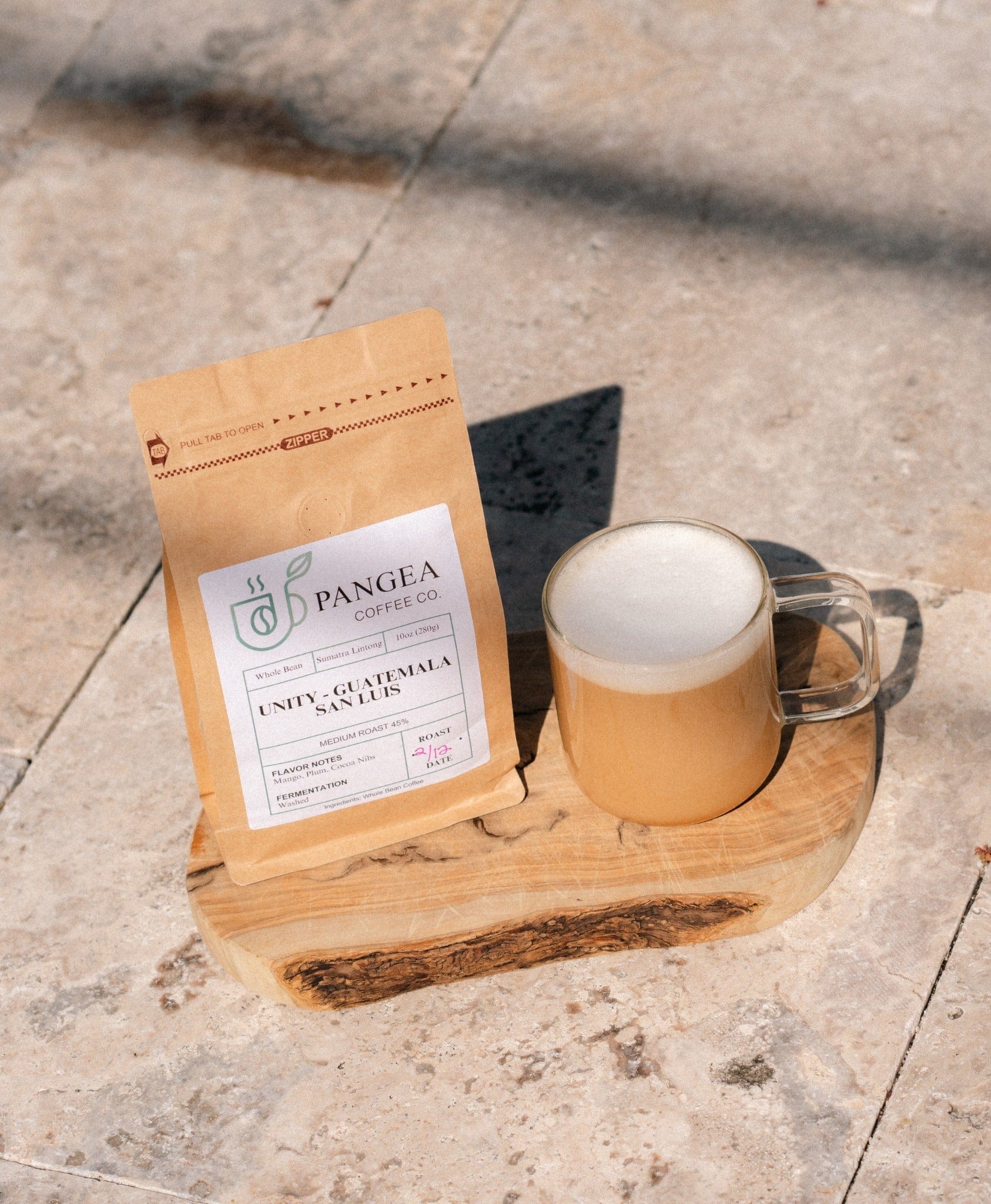
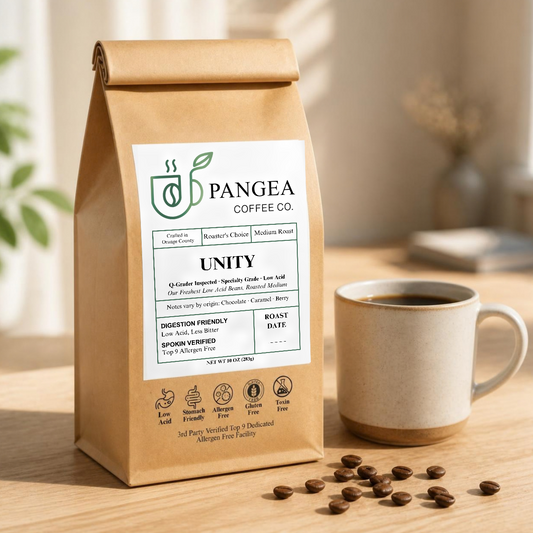
Unity Medium Roast
Our flagship blend sourced from Ethiopia and Guatemala. Smooth, balanced, and naturally low-acid with notes of chocolate, caramel, and citrus. Perfect for daily drinking and sensitive-stomach friendly.
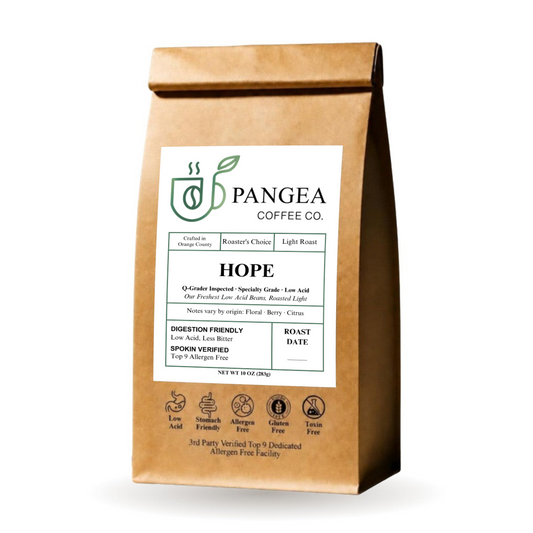
Hope Light Roast
For those who prefer lighter, brighter flavors without the acidity. Carefully roasted to preserve delicate floral and fruity notes while maintaining our low-acid profile. Ideal for morning rituals.
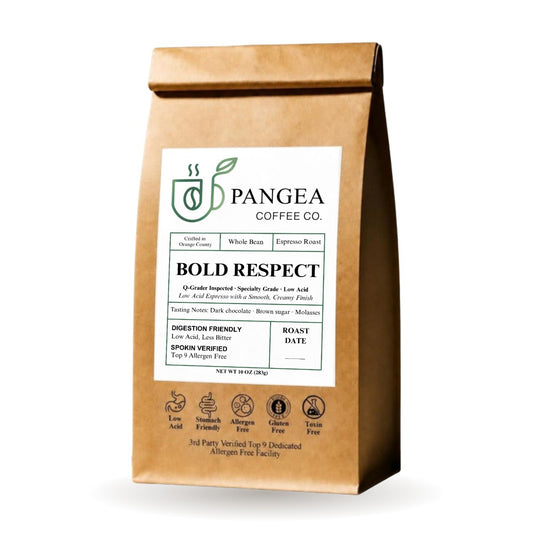
Bold Respect Dark Roast
Rich and bold for espresso lovers who want a low-acid cup. Deep chocolate and toasted nut flavors without the harsh bitterness. Perfect for lattes, cappuccinos, or straight espresso shots.
☕ Shop Our Complete Low Acid Coffee Collection
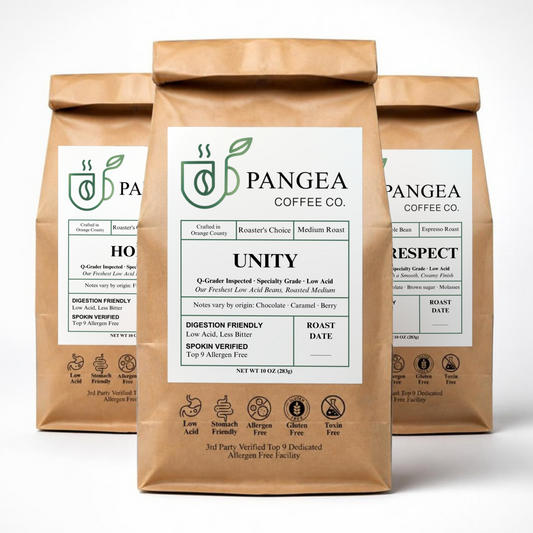
Ready to find your perfect low acid coffee? Browse our complete collection of low acid coffees — all low-acid, mold-free and Q-grader inspected. Choose from Bold Respect (dark roast), Unity (medium roast), or Hope (light roast), plus bundles and subscriptions.
Beyond Your Cup: Coffee as Part of a Gut Health Strategy
Switching to low-acid coffee is a powerful step, but it works best as part of a comprehensive approach to digestive wellness. Here's how to maximize your gut health:
Timing Matters
Drinking coffee on an empty stomach—even low-acid coffee—can still trigger discomfort for some people. Try having your coffee with or after a small, protein-rich breakfast. This gives your stomach something to work with besides just coffee and can significantly reduce reflux symptoms.
Mind Your Additions
If you add milk or cream to your coffee, consider that dairy can be inflammatory for many people with gut sensitivities. High-fat dairy products can also relax the LES, potentially worsening reflux. Experiment with alternatives like almond milk, oat milk, or coconut milk to see if your symptoms improve.
Avoid artificial sweeteners and flavored syrups, which can disrupt your gut microbiome and trigger inflammation. If you need sweetness, small amounts of raw honey or pure maple syrup are gentler options.
Stay Hydrated
Coffee is a diuretic, meaning it can contribute to dehydration if you're not careful. Dehydration affects your entire digestive system, from saliva production to intestinal motility. For every cup of coffee, drink at least one glass of water. This simple habit supports your gut's natural processes and helps maintain the protective mucus layer in your stomach.
Your Gut Health Journey Starts Here
Living with digestive discomfort isn't something you have to accept as normal. Constant heartburn, bloating, and the need for daily antacids aren't just inconvenient—they're signs that something needs to change. For millions of Americans, that change starts with examining their coffee.
The connection between low-acid coffee and gut health isn't just marketing hype; it's grounded in research on coffee acidity and the experiences of many people who've made the switch. When you choose coffee that's genuinely low-acid, mold-free, and allergen-free, you take acidity, mold and allergen cross-contact out of the equation.
Your gut is the foundation of your overall health. It deserves coffee that works with your body, not against it. Whether you're managing diagnosed conditions like GERD, dealing with unexplained digestive symptoms, or simply want to optimize your gut health, choosing the right coffee is a simple place to start.
Ready to Experience the Difference?
Try Pangea's Q-grader inspected, SPOKIN-verified low-acid coffee and discover what coffee should taste like—smooth, flavorful without the sharp acidity, clean without compromise.
New to Pangea? Start with our Flavor Discovery Pack to find your perfect match.
Have questions? Join our coffee community text alerts for exclusive gut health tips, brewing guides, and special offers from our family to yours.
Sources & Additional Reading:
- Best Coffee for Acid Reflux and GERD – A Research Guide
- What Makes Clean, Mold-Free Coffee Different
- Why Low Acid Coffee May Be The Key To A Happier Stomach
- The Surprising Benefits Of Coffee Without Mold And Allergens
- Cross Contamination Concerns: Why Allergen-Free Coffee Facilities Matter
- Decaf Coffee & Acid Reflux: The Truth About GERD, Chemicals And Finding A Decaf That Is Actually Safe