




Natural Coffee Sweeteners for Sensitive Stomachs: Safe Alternatives to Artificial Flavoring

If you're adding artificial sweeteners to your morning coffee and experiencing bloating, stomach discomfort, or worsening digestive symptoms, you're not alone. Recent research reveals that artificial sweeteners may be significantly disrupting your gut health in ways that weren't fully understood until recently.
For those of us with sensitive stomachs, GERD, acid reflux, or food allergies, choosing the right sweetener isn't just about cutting calories—it's about protecting our digestive wellness.
At Pangea Coffee, where our own children live with food allergies, we understand this deeply personal connection between what we consume and how our bodies respond.
The Hidden Gut Health Crisis: What Research Now Shows About Artificial Sweeteners
While artificial sweeteners have been marketed as safe alternatives to sugar for decades, groundbreaking research from institutions like Cedars-Sinai Medical Center and Anglia Ruskin University is revealing a troubling picture of their impact on digestive health.
How Artificial Sweeteners Disrupt Your Gut Microbiome
Your gut is home to trillions of beneficial bacteria that play crucial roles in digestion, immune function, and overall health.
Research published in 2024 and 2025 demonstrates that common artificial sweeteners can fundamentally alter this delicate ecosystem.
Studies show that sweeteners like saccharin, sucralose (Splenda), aspartame, and the newer neotame can cause previously healthy gut bacteria to become diseased and invade the gut wall.
This disruption has been linked to conditions including:
- Irritable bowel syndrome
- Increased intestinal permeability (leaky gut)
- Systemic inflammation
For those already managing digestive sensitivities, this bacterial imbalance can trigger symptoms like gas, bloating, abdominal discomfort, and altered bowel habits.
Research from the Cleveland Clinic found that certain sugar alcohols commonly used as bulking agents in artificial sweeteners may also increase cardiovascular risks.
The Small Intestine Connection
Perhaps most concerning is recent research showing that artificial sweeteners create marked effects specifically in the small intestine's microbiome.
A 2023 study presented at Digestive Disease Week found that consumers of non-aspartame artificial sweeteners showed significantly lower microbial diversity in their small bowel compared to non-consumers.
This matters because the small intestine is where most nutrient absorption occurs. Disruption here can cascade into broader digestive issues, making existing conditions like GERD or IBS more difficult to manage.
Why This Matters for Coffee Drinkers with Sensitive Stomachs
If you're managing acid reflux, GERD, or general digestive sensitivity, you're likely already being thoughtful about your coffee choices.
But artificial sweeteners could be undermining even the best low-acid coffee.
Coffee naturally stimulates digestive processes, and when combined with gut-disrupting artificial sweeteners, the result can be compounded digestive distress.
Many people assume their stomach issues come from the coffee itself, when the real culprit might be what they're adding to it.
Natural Sweetener Alternatives: Top-9-Allergen-Free Options
The good news? There are natural sweetener alternatives that won't disrupt your gut microbiome or trigger allergic reactions.
As a Top-9-allergen-free facility, we've done the research to identify the safest, most effective options.
1. Allulose: The Gold Standard for Sensitive Stomachs
Allulose is a naturally occurring rare sugar found in small amounts in figs, raisins, and maple syrup.
Unlike other sweeteners, allulose is absorbed in the gastrointestinal tract rather than fermented in the colon, which means it typically doesn't cause gas or bloating.
Benefits for sensitive stomachs:
- Tastes remarkably similar to sugar with no bitter aftertaste
- Only 10% of the calories of regular sugar
- Zero glycemic impact—won't spike blood sugar
- Actually may help lower blood sugar when consumed with meals
- Dissolves and bakes like sugar, making it versatile
- Well-tolerated even by those with digestive sensitivities
How to use with coffee:
Allulose dissolves beautifully in hot or cold coffee. Start with about 3/4 the amount you'd use of regular sugar, as it's about 70% as sweet.
2. Monk Fruit Extract: Ancient Wisdom, Modern Application
Monk fruit, or luo han guo, has been used in Traditional Chinese Medicine for nearly 1,000 years.
This small gourd produces an extract that's 150-200 times sweeter than sugar but contains zero calories and has no impact on blood sugar.
Benefits for sensitive stomachs:
- Zero calories and zero glycemic index
- No known adverse effects on gut bacteria
- Generally well-tolerated without digestive issues
- Natural antioxidant properties
- More versatile flavor profile than stevia
Important note:
Many monk fruit products are blended with erythritol (a sugar alcohol) as a bulking agent. For sensitive stomachs, look for products that blend monk fruit with allulose instead, or use pure monk fruit extract.
Sugar alcohols can cause bloating and digestive discomfort in many people.
How to use with coffee:
Because monk fruit is so concentrated, a tiny amount goes a long way. Start with just a few drops of liquid extract or a small pinch of powder, then adjust to taste.
3. Stevia: Plant-Based Sweetness
Stevia is extracted from the leaves of the Stevia rebaudiana plant and is 200-400 times sweeter than sugar.
While the FDA hasn't approved raw stevia, high-purity extracts of steviol glycosides are recognized as safe.
Benefits for sensitive stomachs:
- Zero calories and zero glycemic impact
- May help with long-term blood sugar control
- Antioxidant properties that may reduce oxidative stress
- Generally well-tolerated, though some people notice an aftertaste
Considerations:
Some individuals find stevia has a slightly bitter or licorice-like aftertaste. Quality matters—look for high-purity extracts without additional fillers or additives.
How to use with coffee:
Like monk fruit, stevia is extremely concentrated. Start with a very small amount—just 1-2 drops of liquid or a tiny pinch of powder—and adjust gradually.
4. Raw Honey: Nature's Original Sweetener
While honey does contain calories and natural sugars, raw honey offers benefits that refined sugar doesn't, including enzymes, antioxidants, and potential antimicrobial properties.
Benefits for sensitive stomachs:
- Contains beneficial enzymes that may aid digestion
- Natural antimicrobial and anti-inflammatory properties
- May help soothe digestive discomfort
- Provides trace minerals and antioxidants
⚠️ Important allergy warning:
Honey is NOT appropriate for those with pollen allergies or bee product sensitivities. Additionally, honey should never be given to infants under 12 months due to botulism risk. If you have any concerns about honey and your specific health conditions, please consult your healthcare provider.
How to use with coffee:
Stir a teaspoon of raw honey into hot coffee until fully dissolved. Because honey is sweeter than sugar, start with less than you'd normally use.
5. Coconut Sugar: A Minimally Processed Option
Coconut sugar is made from the sap of coconut palm trees and undergoes less processing than refined white sugar.
While it does contain calories and will impact blood sugar, it has a lower glycemic index than table sugar and contains small amounts of minerals.
Benefits for sensitive stomachs:
- Contains trace amounts of iron, zinc, calcium, and potassium
- Lower glycemic index (35) compared to table sugar (60-65)
- Less processed than white sugar
- Rich, caramel-like flavor that complements coffee well
Important note:
Despite being less refined, coconut sugar is still a form of sugar and should be used in moderation, especially if you're managing blood sugar levels.
How to use with coffee:
Use coconut sugar just as you would regular sugar, though you may find you need slightly less due to its rich flavor profile.
What to Avoid: Artificial Sweeteners That Harm Gut Health
Based on current research, individuals with sensitive stomachs, GERD, IBS, or food allergies should be particularly cautious with these artificial sweeteners:
- Saccharin (Sweet'N Low): Shown to significantly alter gut bacteria composition and has been linked to glucose intolerance
- Sucralose (Splenda): Research indicates it may disrupt gut mucosa and reduce beneficial bacteria populations
- Aspartame (Equal, NutraSweet): Studies have found it may promote pathways associated with liver and nervous system toxins
- Neotame: Recent research shows it can cause gut bacteria to become diseased and invade the gut wall
- Acesulfame K (Ace-K): Animal studies suggest it alters gut bacteria differently in males and females
The Sugar Alcohol Caution
Many "sugar-free" products contain sugar alcohols like erythritol, xylitol, sorbitol, and maltitol.
While these aren't technically artificial sweeteners, they can cause significant digestive distress:
- Fermented by gut bacteria, leading to gas and bloating
- Can cause diarrhea and abdominal cramping, especially in larger amounts
- Recent research links erythritol to increased cardiovascular risks
- The laxative effect is so pronounced that xylitol is actually used in some commercial laxatives
⚠️ Important note for pet owners:
Sugar alcohols are extremely toxic to dogs. Keep all products containing xylitol, erythritol, and other sugar alcohols away from pets.
Creating Your Perfect Cup: Combining Clean Coffee with Natural Sweeteners
The foundation of a truly stomach-friendly cup of coffee starts with the coffee itself.
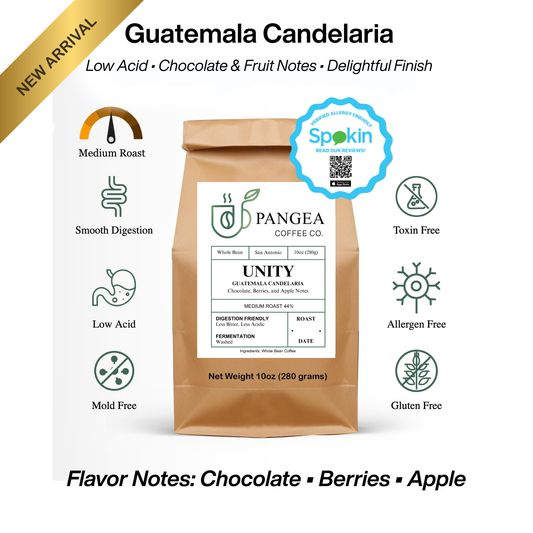
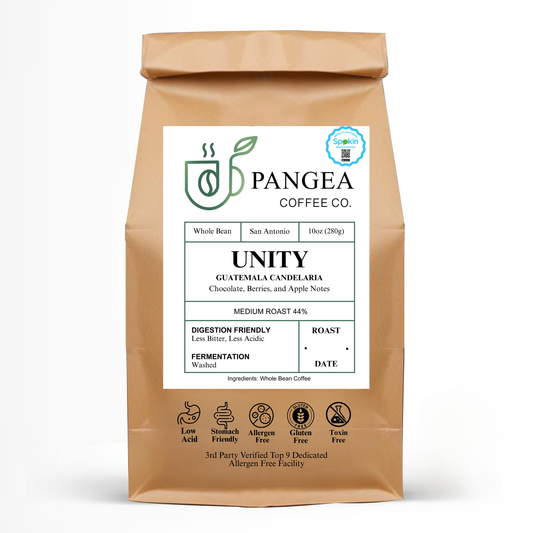
Our Unity Medium Roast and Hope Light Roast are naturally low-acid and processed without chemicals, making them ideal for sensitive stomachs.
Sample Combinations for Different Needs:
For GERD and Acid Reflux:
Start with our doctor-backed low-acid coffee, brewed slightly cooler (around 190-195°F instead of boiling).
Add a small amount of allulose or monk fruit extract. The natural low acidity combined with gut-friendly sweeteners creates a soothing cup that won't trigger reflux.
For IBS and General Digestive Sensitivity:
Choose our allergen-free, mold-tested coffee and sweeten with allulose, which won't ferment in your gut.
Consider adding a small amount of non-dairy milk alternative (like oat or rice milk, if tolerated) to further reduce any potential irritation.
For Food Allergy Concerns:
As a SPOKIN-verified, Top-9-allergen-free facility, our coffees provide a safe foundation.
Pair with monk fruit or stevia for zero-risk sweetening that won't introduce any allergen cross-contamination.
Practical Tips for Transitioning to Natural Sweeteners
Making the switch from artificial to natural sweeteners doesn't have to be difficult. Here's how to do it successfully:
Week 1: Awareness Phase
- Document how you currently feel after your coffee
- Note any digestive symptoms, energy crashes, or cravings
- Read labels on everything you consume—you may be surprised how prevalent artificial sweeteners are
Week 2: Gradual Transition
- Replace half your usual artificial sweetener with a natural alternative
- Try allulose first, as it most closely mimics sugar's taste and texture
- Give your taste buds time to adjust—sweetness perception can recalibrate
Week 3-4: Full Transition and Fine-Tuning
- Experiment with different natural sweeteners to find your preference
- Notice improvements in digestive comfort, energy levels, and overall well-being
- Consider reducing sweetener amounts gradually—many people find they need less sweetness over time
Pro Tips from Coffee Experts:
- Start with quality coffee: High-quality, naturally low-acid coffee like ours needs less sweetener because it's naturally smoother and less bitter
- Adjust your brewing: Proper brewing temperature and time can reduce bitterness, decreasing your need for sweetness
- Try flavor instead: Natural additions like cinnamon, vanilla extract, or cacao nibs can provide flavor complexity without sweeteners
- Consider cold brew: Cold brewing naturally produces a less acidic, smoother coffee that many find needs less sweetening
The Science of Sweet: Understanding Your Body's Response
When you consume artificial sweeteners, your body receives conflicting signals.
Your tongue tastes sweetness and signals your brain that calories and energy are coming, but your digestive system receives zero-calorie compounds it doesn't recognize.
This disconnect can lead to:
- Increased cravings
- Disrupted hunger signals
- Compensatory eating later in the day
Natural sweeteners, particularly those like allulose that the body processes similarly to actual sugar (but doesn't metabolize for energy), create less metabolic confusion.
For people with sensitive digestive systems, this difference can be significant.
Beyond Sweeteners: Building a Complete Gut-Healthy Coffee Routine
Choosing the right sweetener is just one piece of creating a truly gut-friendly coffee experience. Consider these additional factors:
Coffee Quality Matters
Conventionally processed coffee may contain mold toxins, pesticides, and other compounds that can trigger digestive distress.
Our Q-graded, on-site tested coffee ensures you're getting clean beans free from contaminants that could upset sensitive stomachs.
Brewing Method Impact
Different brewing methods extract different compounds from coffee beans.
Cold brew and pour-over methods tend to be gentler on sensitive stomachs than espresso or French press. Experiment to find what works best for your body.
Timing and Food Pairing
Drinking coffee on an empty stomach can increase acid production and irritation.
Consider having your coffee with or after a small meal, especially if you manage GERD or acid reflux.
Common Questions About Natural Sweeteners and Coffee
Will natural sweeteners affect my blood sugar if I have diabetes or pre-diabetes?
Allulose, monk fruit, and stevia all have zero glycemic index, meaning they don't raise blood sugar levels.
Allulose has even been shown in studies to potentially lower blood sugar responses when consumed with meals.
However, always consult your healthcare provider about dietary changes when managing diabetes.
Can I bake with these natural sweeteners?
Allulose works exceptionally well in baking because it behaves most like sugar—it dissolves, caramelizes, and provides moisture to baked goods.
Monk fruit and stevia are extremely concentrated and don't provide bulk, so they're challenging to use alone in baking but can work in combination with allulose.
Coconut sugar can replace regular sugar in most recipes at a 1:1 ratio.
Why do some natural sweeteners have an aftertaste?
Stevia, in particular, is known for a slightly bitter or licorice-like aftertaste that some people perceive more strongly than others. This is due to the steviol glycosides themselves.
Quality and processing matter—high-purity extracts tend to have less aftertaste.
Monk fruit is generally considered to have a cleaner taste profile with minimal aftertaste.
Are natural sweeteners safe for children?
Monk fruit, stevia, and allulose are generally recognized as safe for children.
However, as with any dietary change, it's best to consult your pediatrician.
For children with food allergies or digestive issues, natural sweeteners are typically a much better choice than artificial ones.
Never give honey to infants under 12 months.
How much natural sweetener should I use compared to sugar?
This varies by sweetener:
- Allulose: About 70% as sweet as sugar, so use slightly more
- Monk fruit and stevia: 150-400 times sweeter than sugar, so you need only tiny amounts—start with 1-2 drops of liquid or a small pinch of powder
- Coconut sugar: Can replace regular sugar 1:1
Most importantly, start with less than you think you need and adjust to taste.
Will switching to natural sweeteners help my digestive symptoms?
Many people with IBS, GERD, and other digestive conditions report improvements after eliminating artificial sweeteners.
However, individual responses vary. Keep a food diary to track your symptoms and identify what works best for your body.
Combining natural sweeteners with naturally low-acid, clean coffee like ours gives you the best foundation for success.
Are natural sweeteners expensive?
Allulose can be more expensive than table sugar or artificial sweeteners, though prices are decreasing as production increases.
Stevia and monk fruit liquid extracts have a higher upfront cost but last a long time since you use very small amounts.
When you consider the potential health benefits and reduced medical costs from better gut health, many people find natural sweeteners worth the investment.
Your Journey to Better Gut Health Starts Here
Choosing natural sweeteners over artificial alternatives is a powerful step toward protecting your gut microbiome and reducing digestive symptoms.
When you combine clean, naturally low-acid coffee with gut-friendly sweeteners, you're creating a morning ritual that supports rather than sabotages your wellness.
At Pangea Coffee, we're committed to more than just great-tasting coffee. As a family business where our own children live with food allergies, we understand the importance of truly clean, safe ingredients.
That's why we're SPOKIN-verified and maintain one of the nation's first certified allergen-free coffee facilities.
We believe in transparency, quality, and putting your health first—even if it means losing a sale. Because some things are more important than profit margins. Your health is one of them.

Start Your Clean Coffee Journey
Ready to experience coffee that's naturally low-acid, allergen-free, and perfectly complemented by natural sweeteners?
Explore our Flavor Discovery Pack to find your perfect roast, or try our bestselling Unity Medium Roast that thousands of people with sensitive stomachs trust daily.
Join our clean coffee movement on Instagram and TikTok for daily tips, recipes, and a community of people who understand that what we put in our bodies matters.
Sign up for restock alerts to never miss your favorite roasts, and consider joining our Coffee Membership for consistent delivery of fresh, gut-friendly coffee right to your door.

Scientific References & Further Reading
This guide is based on peer-reviewed research and expert medical sources. We believe in transparency and providing you with the science behind our recommendations:
Artificial Sweeteners & Gut Health Research
- Meenatchi, M., et al. (2024). "Exploring the Long-Term Effect of Artificial Sweeteners on Metabolic Health." PMC Journal. Read the full study
- Mathur, R., et al. (2023). "The consumption of artificial sweeteners is associated with alterations in microbial communities and their metabolic potential in the small bowel." Presented at Digestive Disease Week, Chicago. View research findings
- Cedars-Sinai Medical Center. (2025). "Research Alert: Artificial Sweeteners Significantly Alter the Small Bowel Microbiome." Read the research alert
- Shil, A., & Chichger, H. (2024). "Artificial sweetener has potential to damage gut." Anglia Ruskin University, published in Frontiers in Nutrition. Access the study
- Hunter, S.R., et al. (2019). "Artificial Sweeteners: A Systematic Review and Primer for Gastroenterologists." Journal of Neurogastroenterology and Motility, PMC. Read full review
- Hetta, H.F., et al. (2025). "Artificial Sweeteners: A Double-Edged Sword for Gut Microbiome." MDPI Immuno Journal. View research paper
- Feng, J., Peng, J., et al. (2024). "Non/low-caloric artificial sweeteners and gut microbiome: From perturbed species to mechanisms." Metabolites. Read analysis
- Gastrointestinal Society. (2021). "Artificial Sweeteners Could Harm Gut Microbiota." View educational resource
Natural Sweeteners & Health Benefits
- Yuma, T., Tokuda, M., et al. (2023). "Allulose for the attenuation of postprandial blood glucose levels in healthy humans: A systematic review and meta-analysis." PLoS One, 18(4). Read research summary
- Preechasuk, L., et al. (2023). "Short-term effects of allulose consumption on glucose homeostasis, metabolic parameters, incretin levels, and inflammatory markers in patients with type 2 diabetes." European Journal of Nutrition, 62(7):2939-2948. View findings
- Cleveland Clinic. (2024). "Allulose: What It Is and Side Effects." Read expert review
- Yeung, A.W.K. (2023). "Bibliometric analysis on the literature of monk fruit extract and mogrosides as sweeteners." Frontiers in Nutrition. Access research
- Orellana-Paucar, A.M. (2023). "Steviol glycosides from Stevia rebaudiana: an updated overview of their sweetening activity, pharmacological properties, and safety aspects." PMC. Read comprehensive review
- Medical News Today. (2024). "Monk fruit vs. stevia: Which is the best natural sweetener?" Updated December 2024. Read comparison
- INTEGRIS Health. (2024). "Monk Fruit vs. Stevia: Which Sweetener is Better?" View expert analysis
- Zare, M., et al. (2024). "Effect of stevia on blood glucose and HbA1C: A meta-analysis." Diabetes & Metabolic Syndrome: Clinical Research & Reviews. Read meta-analysis
- Dr. Axe. (2025). "14 Best Sugar Substitutes (Healthiest Natural Sweeteners)." Updated October 2025. View comprehensive guide
- Thomason Bunn, C. (2025). "Allulose vs. Monk Fruit: Which No-Calorie Sweetener is Healthier?" April 2025. Read dietitian analysis
Gut Health & Microbiome
- Lozupone, C.A., et al. (2012). "Diversity, stability and resilience of the human gut microbiota." Nature, 489:220-230. Access study
- ZOE. (2025). "Artificial sweeteners and gut bacteria: What's the story?" Updated November 2025. Read educational resource
- U.S. Food and Drug Administration. (2024). "High-Intensity Sweeteners." View FDA guidelines
- U.S. Food and Drug Administration. (2024). "Aspartame and other sweeteners in food." Read FDA information
Additional Resources
- Irritable Bowel Syndrome: Learn more about coffee options for sensitive stomachs
- GERD & Acid Reflux: Our comprehensive guide on low-acid coffee for GERD
- Food Allergies: Understanding cross-contamination in coffee production
- Clean Coffee Standards: What makes coffee truly allergen-free and mold-free
Medical Disclaimer: The information provided in this article is based on scientific research and is intended for educational purposes only. It is not intended as medical advice, diagnosis, or treatment. Individual responses to sweeteners and dietary changes vary. Always consult with your healthcare provider, registered dietitian, or gastroenterologist before making significant dietary changes, especially if you have diagnosed medical conditions, food allergies, or digestive disorders.
Last Updated: January 2026 | Pangea Coffee Company is committed to providing accurate, research-backed information to our community. We regularly review and update our content as new research emerges.
Images


