



Best Low-Acid Espresso Beans: What to Look For (and What to Avoid)

Not all espresso beans are equal — and if you have acid reflux, a sensitive stomach, or food allergies, the difference matters more than you think. This guide covers what actually makes espresso beans low-acid, why most brands can’t prove their mold-free claims, and how to choose beans that deliver a bold, rich shot without the burn.
Espresso is the most concentrated form of coffee — which means everything about your beans gets amplified. The sweetness, the body, the complexity — and the acidity. A high-acid espresso bean that might be tolerable as a drip coffee becomes a serious problem as a concentrated shot, especially for anyone managing GERD, acid reflux, gastritis, or food sensitivities.
Here’s what most espresso guides skip entirely: the acidity of your espresso is determined before the beans are roasted — by where they were grown, how they were processed, and how they were stored. Choosing the right beans from the start makes every other variable easier.
What Makes Espresso Beans Low-Acid?
The term “low-acid espresso” gets thrown around loosely — but there are specific, measurable factors that actually determine how acidic your shot will be.
1. Origin and Growing Region
The single biggest factor. Coffee grown at lower altitudes in regions with volcanic, mineral-rich soil tends to produce beans with lower natural chlorogenic acid content. Brazil and Sumatra are the gold standard for low-acid espresso origins — both produce naturally smooth, earthy, full-bodied beans with minimal perceived brightness or acidity. Guatemala and Mexico also produce lower-acid profiles, particularly from higher-altitude farms with longer cherry maturation cycles.
2. Roast Level
Darker roasts are lower in perceived acidity. This is counterintuitive to many people who assume dark roasts are “stronger” and therefore harsher on the stomach. In reality, the extended roasting process breaks down chlorogenic acids — the primary compounds responsible for coffee’s acidity and some of its stomach irritation. A well-sourced dark roast espresso is the lowest perceived acidity option in the coffee spectrum, which is exactly why Bold Respect No. 3 is our most popular product for people with digestive sensitivities.
Research confirms this relationship: darker roasting significantly reduces chlorogenic acid content, with dark roasts retaining substantially less than light roasts from identical green beans.
Why Most “Low-Acid Espresso” Tastes Flat
Most brands achieve “low-acid” espresso through one of two shortcuts — and both compromise flavor significantly:
- Chemical treatment — Some brands strip acids chemically. This reduces acidity but leaves behind metallic, flat flavors and raises legitimate questions about purity and residue.
- Light roasting — Others simply under-roast, which preserves fewer bitter compounds but leaves high chlorogenic acid content intact. A light roast labeled “low-acid” is often misleading — brighter flavor doesn’t mean lower stomach acidity.
Pangea’s approach is different: natural bean selection from low-acid origins combined with precision dark roasting. No chemicals, no flavor compromise. The result is espresso that’s genuinely stomach-friendly while tasting like a traditional Italian dark roast should — rich, bold, and full-bodied.
3. Processing Method
Wet-processed (washed) coffee tends to have a cleaner, more consistent flavor profile and lower contamination risk than natural (dry) processed coffee. For espresso specifically, wet-processed beans produce more consistent extraction and a cleaner cup without the fermented fruit notes that can feel harsh for sensitive stomachs.
4. Freshness and Storage
Stale espresso beans are more acidic and harsher on the stomach. As coffee oxidizes after roasting, volatile compounds break down in ways that increase bitterness and perceived acidity. Fresh-roasted espresso — ideally consumed within 2–6 weeks of the roast date — is noticeably smoother and gentler than beans that have been sitting on a warehouse shelf for months.
Why Mold-Free Matters More for Espresso Than Any Other Brew Method
Here’s something most espresso guides completely ignore: espresso’s concentrated brewing method amplifies contaminants as much as it amplifies flavor.
When you pull a shot of espresso, you’re forcing hot water through densely packed, finely ground coffee at high pressure. This process extracts everything — the oils, the compounds, the flavor — in a fraction of the time of any other brew method. If mycotoxins (mold-derived toxic compounds) are present in the beans, they concentrate in your shot at a higher ratio than they would in drip coffee or cold brew.
Most popular espresso brands — including Starbucks, Peet’s, and others — do not publicly provide third-party mycotoxin verification or independent mold-free facility certification. For a full comparison, see our mold-free coffee brands comparison.
☕ What to Look For in Mold-Free Espresso Beans
- Third-party facility certification — SPOKIN verification or equivalent, not self-reported claims
- Q grader evaluation — licensed professionals tasting every lot for defects, not just visual inspection
- Clean sourcing from reputable origins — high-altitude farms with controlled harvesting and processing
- Fresh roast date — within 2–6 weeks, not sitting in a warehouse
- Small-batch roasting — tighter quality control, fewer opportunities for contamination
Espresso Roast vs. Dark Roast: What’s the Difference?
This is one of the most commonly confused distinctions in coffee. “Espresso roast” is not a specific roast level — it’s a marketing term that varies by roaster. Some brands label medium roasts as “espresso roast.” Others use it to describe a dark roast optimized for espresso extraction.
For sensitive stomachs, a dark roast from a naturally low-acid origin is the optimal espresso choice. The combination of lower-acid beans plus extended roasting gives you the deepest reduction in chlorogenic acid content while producing the rich, bold body that makes espresso satisfying.
The Best Low-Acid Espresso Beans: Pangea Coffee
Pangea Coffee is sourced exclusively from naturally low-acid growing regions, small-batch roasted in our SPOKIN-verified Top-9 allergen-free facility — the first coffee company in the United States to achieve this certification. Q graders on our team evaluate every lot at our facility and sometimes at the source, screening specifically for perceived acidity.
☕ Bold Respect No. 3 — The Best Low-Acid Espresso Bean
Bold Respect No. 3 is our dark roast — specifically developed for espresso lovers who want a rich, smooth, full-bodied shot without digestive discomfort. Brazilian and Sumatran sourcing combined with our extended dark roast profile produces the lowest perceived acidity of any coffee in our lineup. Notes of dark chocolate, smooth earth, and a clean, lingering finish.
Board-certified gastroenterologist Dr. Joseph Salhab recommends Bold Respect specifically for patients with acid reflux, GERD, and sensitive stomachs who want to continue drinking espresso.
Bold Respect No. 3 — At a Glance
- Roast: Dark roast / espresso roast — lowest perceived acidity in our lineup
- Origin: Brazil, Sumatra — naturally low-acid growing regions
- Flavor: Dark chocolate, smooth earth, clean finish — zero bitterness
- Certification: SPOKIN-verified Top-9 allergen-free facility
- Q Grader Inspected: Every lot evaluated at our facility and sometimes at the source
- Doctor-endorsed: Recommended by Dr. Joseph Salhab, board-certified gastroenterologist
- Shipping: Small-batch roasted; we strive for same-day weekday shipping
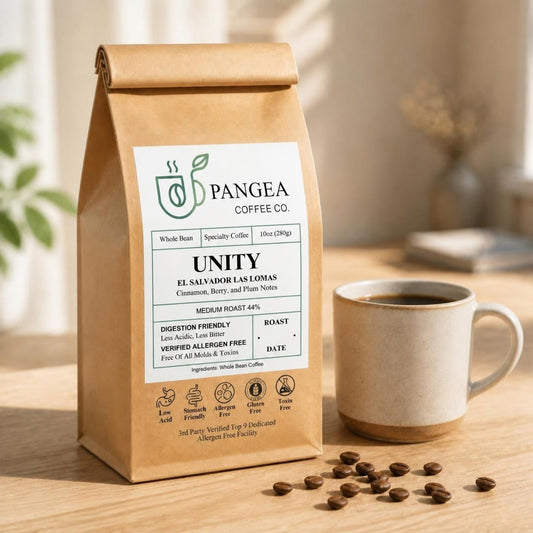
☕ Unity Medium Roast — Best for Lighter Espresso
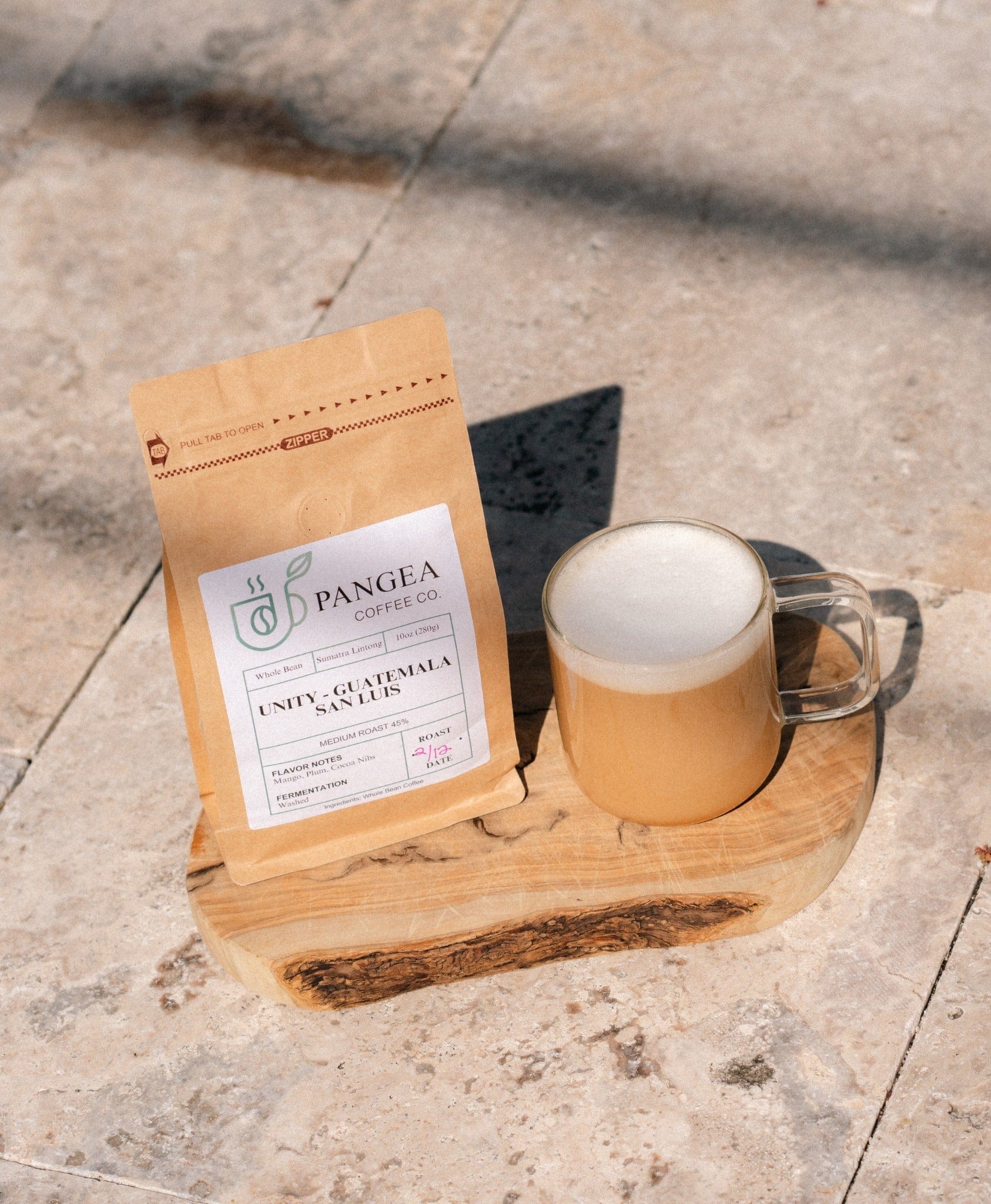
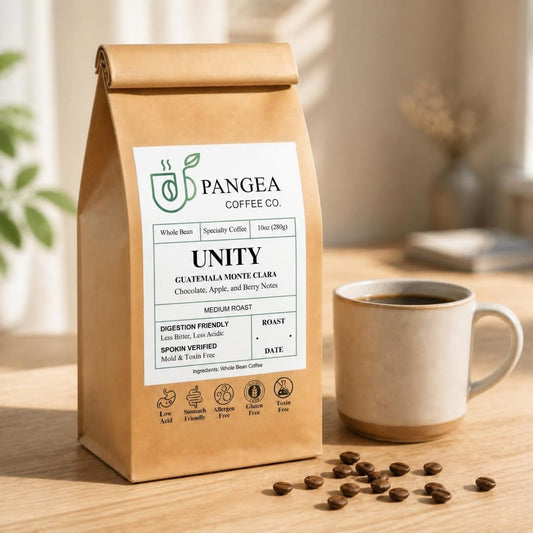
If you prefer a less intense espresso or enjoy lungo-style shots, Unity Medium Roast pulls beautifully. The balanced profile produces a smooth, caramel-forward shot with the same SPOKIN-verified clean foundation as Bold Respect. A good option for those who find dark roasts too heavy or who use their espresso machine for milk-based drinks like lattes and cappuccinos.
☕ Sugarcane EA Decaf — Best for Caffeine-Free Espresso
Yes, you can pull a great decaf espresso — but only if your decaf was processed cleanly. Our Sugarcane EA Decaf uses natural ethyl acetate derived from sugarcane (not chemical solvents like methylene chloride), preserving the bean’s natural low-acid character and smooth body. Pulls a rich, satisfying shot with no caffeine. Perfect for evenings, for those sensitive to caffeine, or for anyone managing a condition where caffeine affects symptoms.
Not sure where to start? The Flavor Discovery Pack includes Bold Respect, Unity, and Hope so you can taste all three before committing.
How to Brew Low-Acid Espresso at Home
The beans are the foundation, but a few brewing adjustments can further reduce the acidity and harshness of your home espresso.
Espresso Machine
Start with 18g in, 36–40g out, in 25–30 seconds for a classic double shot. This ratio brings out the cocoa and dark chocolate notes in Bold Respect while producing a thick, stable crema. If your shot pulls too fast (under 20 seconds), grind finer. If it pulls too slow (over 35 seconds), grind coarser. Bold Respect is forgiving across a wide extraction range.
Moka Pot
Fill the basket firmly with medium-fine grounds. Use medium heat and keep the lid open to monitor extraction. Remove from heat just as the coffee begins to gurgle — this produces the smoothest, least bitter result and keeps acidity low.
AeroPress (Inverted)
Use 17–20g of coffee with 220ml of water just off boil. Stir for 10 seconds, steep for 1.5–2 minutes, then press slowly. Produces a concentrated, espresso-style brew with excellent body and Bold Respect’s signature low-acid smoothness.
Grind Fresh
Pre-ground coffee oxidizes faster and produces harsher, more acidic shots. If possible, grind your espresso beans within 30 minutes of pulling your shot. A burr grinder set to fine produces a more consistent grind and more even extraction than a blade grinder.
Water Temperature
Espresso brewed at 195–205°F extracts optimally. Water that’s too hot extracts more bitter and acidic compounds. If your machine allows temperature adjustment, starting toward the lower end of this range (195–198°F) often produces a noticeably smoother shot.
Extraction Time
A standard espresso shot pulls in 25–30 seconds. Under-extraction (too fast) produces sour, acidic shots. Over-extraction (too slow, usually caused by too fine a grind) produces bitter shots. Dialing in to 27–30 seconds with a dark roast low-acid bean produces the smoothest results for sensitive stomachs.
Cold Brew Espresso Alternative
If espresso still bothers your stomach, cold brew made with a dark roast at a 1:4 concentrate ratio delivers similar intensity with significantly lower total acid content. See our complete cold brew guide for step-by-step instructions.

Espresso and Acid Reflux: What You Need to Know
Espresso gets a bad reputation with acid reflux sufferers — but the problem is usually the bean quality and sourcing, not espresso as a brew method. A small, concentrated shot of low-acid espresso is often better tolerated than a large mug of high-acid drip coffee.
The key factors for managing espresso with acid reflux or GERD: choose naturally low-acid origins, use a dark roast that has broken down chlorogenic acids, never drink on an empty stomach, and start with a single shot rather than a double. For a deeper breakdown of coffee and acid reflux management, see our complete GERD and coffee guide.
Frequently Asked Questions About Low-Acid Espresso Beans
What are the best coffee beans for espresso?
The best espresso beans are freshly roasted, specialty-grade Arabica from naturally low-acid origins like Brazil or Sumatra, with a clear roast date within the past 2–6 weeks. For sensitive stomachs, a dark roast from these origins produces the lowest perceived acidity. Pangea’s Bold Respect No. 3 checks all of these boxes and is additionally SPOKIN-verified allergen-free — a standard no major commercial espresso brand currently meets.
Are dark roast espresso beans less acidic?
Yes — and this is one of the most important things to understand about espresso and stomach health. Extended roasting breaks down chlorogenic acids, meaning dark roasts have measurably lower chlorogenic acid content than lighter roasts from the same beans. Combined with naturally low-acid bean sourcing, a dark roast espresso is the gentlest caffeinated coffee option for most people with digestive sensitivities.
Is espresso bad for acid reflux or GERD?
It depends on the beans and your individual response. High-acid espresso from commodity beans is more likely to trigger reflux. Low-acid espresso from naturally sourced, dark-roasted, fresh beans — like Bold Respect No. 3 — is often well-tolerated even by people with GERD. Key rules: never drink on an empty stomach, start with a single shot, and listen to your body. For the full picture, read our complete GERD coffee guide.
What is the best espresso for a sensitive stomach?
Look for: dark roast from Brazilian or Sumatran origins, fresh roast date (within 6 weeks), SPOKIN-verified or equivalent allergen-free facility, Q grader inspected for perceived acidity, and no artificial additives or flavoring. Pangea’s Bold Respect No. 3 is the only espresso that meets all of these criteria with documented third-party verification.
Are espresso beans different from regular coffee beans?
No — “espresso beans” are just regular coffee beans, typically ground finer and often roasted darker to suit espresso extraction. Any coffee bean can technically be used for espresso. The term “espresso roast” on packaging is a marketing label, not a regulated standard. What matters is the origin, roast level, freshness, and quality of the bean itself.
Are mold-free espresso beans worth it?
Yes — especially for espresso. Because espresso is a concentrated extraction, any contaminants in the beans are proportionally more concentrated in your shot. Most brands claiming “mold-free” don’t provide independent verification. Pangea is SPOKIN-verified — the first coffee company in the U.S. with third-party allergen-free facility certification. See our complete mold-free coffee guide for more.
Can people with food allergies drink espresso?
Pure espresso from coffee beans is naturally free of the Top-9 allergens. The concern is cross-contamination at the roasting facility — many roasters process allergen-containing products in the same facility. Pangea’s facility is SPOKIN-verified Top-9 allergen-free, making it one of the safest choices for people with food allergies. Be mindful of milk, syrups, and other espresso additions — those carry their own allergen considerations.
What’s the best decaf espresso bean?
Look for naturally processed decaf using ethyl acetate (EA) from sugarcane or Swiss water process — both avoid harsh chemical solvents like methylene chloride that can irritate the stomach and leave residues. Pangea’s Sugarcane EA Decaf uses the natural EA process, is naturally low-acid, and is processed in our SPOKIN-verified facility. Pulls a clean, rich decaf espresso shot with no chemical aftertaste.
How do I make less acidic espresso at home?
Five practical adjustments: (1) start with naturally low-acid beans from Brazil or Sumatra, (2) use a dark roast, (3) brew at 195–198°F rather than max temperature, (4) pull your shot in 27–30 seconds for optimal extraction, and (5) never drink on an empty stomach. If you’re still experiencing sensitivity, try cold brew concentrate made with Bold Respect as an espresso alternative with even lower acid content.
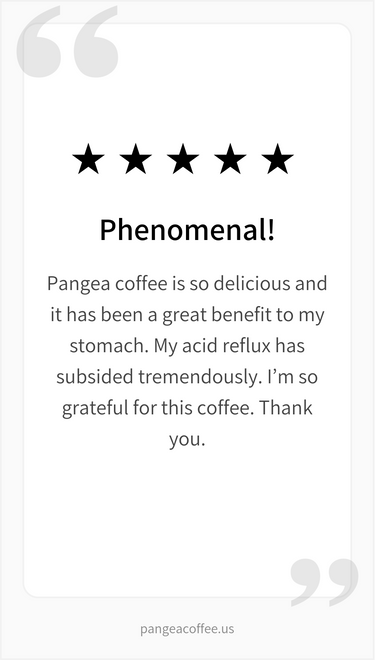
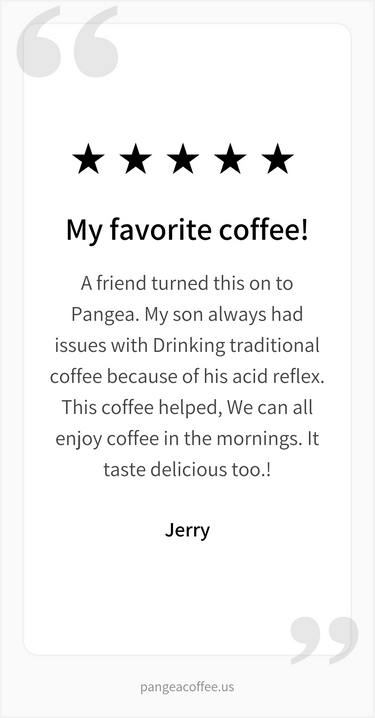
What Our Customers Say
⭐⭐⭐⭐⭐
“Not only is this espresso low acid it is better than any organic coffee shop we have tried. Already health improvements on digestive tract after one week.”
Jon S. — Verified Purchase · Bold Respect No. 3
⭐⭐⭐⭐⭐
“I need to drink low acid coffee. This Espresso smells absolutely wonderful and the taste is delicious. Happy I have the option to still drink coffee.”
Maria C. — Verified Purchase · Bold Respect Membership
⭐⭐⭐⭐⭐
“This coffee has never hurt my stomach at all. I have tried other no-mold coffees that did not hold up to their promises. Not Pangea. I have tried the light, medium and dark roasts and all agreed with me. I am a customer for life.”
Denise — Verified Purchase · Hope Colombia Supremo
Ready for Espresso That Doesn’t Fight Back?
Naturally low-acid sourcing. SPOKIN-verified allergen-free. The first verified coffee company in the U.S. Doctor-backed. Small-batch roasted. We strive for same-day weekday shipping.
Shop Bold Respect No. 3 →Related Guides
- Best Coffee for Acid Reflux & GERD: Complete Doctor-Backed Guide
- Is Peet’s Coffee Mold-Free? We Compared the Top Brands
- Mold-Free Coffee: The Complete Guide to Clean, Verified Coffee
- How to Make Cold Brew Coffee at Home: The Complete Guide
- Decaf Coffee & Acid Reflux: Finding a Decaf That’s Actually Safe
Medical Disclaimer: This article is for informational purposes only and does not constitute medical advice. If you have acid reflux, GERD, gastritis, food allergies, or any other digestive condition, please consult your physician or gastroenterologist before making changes to your diet or coffee consumption.
Scientific References
- Perrone D, et al. Role of roasting conditions in the level of chlorogenic acid content in coffee beans: correlation with coffee acidity. Food Chemistry. 2009. PubMed 19530715
- Perrone D, et al. Role of roasting conditions in the level of chlorogenic acid content in coffee beans: correlation with coffee acidity. Food Chemistry. 2009. PubMed 19530715
- Rao NZ, Fuller M. Acidity and Antioxidant Activity of Cold Brew Coffee. Scientific Reports. 2018. PMC6207714
- Nehlig A. Effects of Coffee on the Gastro-Intestinal Tract. Nutrients. 2022;14(2):399. doi:10.3390/nu14020399
Quality Assurance: Pangea Coffee Company is SPOKIN-verified Top-9 allergen-free — the first coffee company in the United States to achieve this third-party certification. Q graders on our team inspect coffee at our facility and sometimes at the source. Small-batch roasting only. We strive for same-day weekday shipping.
Last updated: May 2026