



Is Peet's Coffee Mold-Free? We Compared the Top Brands (2026)

You searched “is [brand] coffee mold free” because you want a straight answer, not a marketing page. Here it is: most popular coffee brands don’t publicly provide third-party verification or documented mycotoxin testing. This guide breaks down exactly what each brand does — and doesn’t — so you can make an informed decision.
“Mold-free” has become one of the most searched phrases in coffee — and one of the most abused. Any brand can print it on a bag. Very few can prove it. The difference matters if you have mold sensitivity, food allergies, digestive issues, or simply want to know what you’re actually drinking.
We’ll cover the brands people ask about most — Peet’s, Starbucks, Black Rifle, Costco/Kirkland, Trader Joe’s, and Death Wish — using only publicly available information. Then we’ll explain what genuine third-party verification actually looks like and why it matters.
What “Mold-Free” Actually Requires
Before comparing brands, it’s worth establishing what genuinely mold-free coffee requires — because without this framework, any brand claim is impossible to evaluate.
Three Requirements for Verifiable Mold-Free Coffee
- Clean sourcing & processing — Beans sourced from farms with controlled harvesting and drying. Wet-processed (washed) coffee generally carries lower mycotoxin risk than dry-processed. Origin and altitude matter.
- Quality evaluation at the facility — Trained Q graders or documented lab testing that screens for defects and contamination before and after roasting. This is where self-described “testing” often falls apart — internal testing without methodology disclosure is unverifiable.
- Third-party certification — An independent organization that has audited the facility and verified the protocols. This is the only standard that can’t be self-reported.
With those three criteria in mind, here’s how the major brands stack up. For a deeper explanation of the science behind mycotoxins in coffee, see our complete mold-free coffee guide.
Brand-by-Brand Breakdown
☕ Is Peet’s Coffee Mold-Free?
Short answer: Peet’s does not publicly provide third-party mold or mycotoxin verification.
Peet’s is a well-regarded specialty coffee brand with strong sourcing standards. They emphasize direct trade relationships and quality sourcing. However, their publicly available materials do not include third-party mycotoxin testing documentation, independent facility certification for contamination-free protocols, or a disclosed testing methodology. Their sourcing practices likely reduce contamination risk relative to commodity-grade coffee, but “likely reduced risk” is not the same as verified mold-free. If this distinction matters to you, Peet’s cannot currently provide the documentation to confirm it.
☕ Is Starbucks Coffee Mold-Free?
Short answer: No publicly available third-party mold verification exists for Starbucks coffee.
Starbucks sources coffee at massive scale — which introduces inherent complexity in quality control. Their C.A.F.E. Practices program covers environmental and social standards but does not specifically address mycotoxin testing or mold-free verification. Starbucks does not publish third-party contamination testing results, independent facility certifications for mold-free protocols, or mycotoxin-specific quality assurance documentation. Scale alone doesn’t mean lower quality, but it does mean the tight lot-by-lot control that mold-free verification requires is structurally harder to maintain and document.
☕ Is Black Rifle Coffee Mold-Free?
Short answer: Black Rifle Coffee does not publish third-party mycotoxin verification or independent facility certification.
Black Rifle Coffee Company (BRCC) has built a strong brand around quality and freshness, and they roast in the U.S. with a clear roast-date commitment. Their website emphasizes premium sourcing but does not include SPOKIN verification, independent mycotoxin testing results, or equivalent third-party contamination-free facility documentation. Freshness and premium sourcing are positive signals, but they don’t constitute mold-free verification by the standard that matters to sensitive consumers.
☕ Is Costco (Kirkland) Coffee Mold-Free?
Short answer: Kirkland Signature coffee carries no mold-free claims and no published mycotoxin testing.
Costco’s Kirkland Signature coffee is sourced and co-packed by major roasters (Starbucks produces some Kirkland blends). It’s USDA Organic in several SKUs, which addresses pesticide use but says nothing about mycotoxin levels. Kirkland coffee is commodity-scale, stored and distributed through a large warehouse supply chain — the conditions least conducive to mold-free assurance. There are no published third-party mold certifications, no independent testing disclosures, and no mold-free claims anywhere in Kirkland’s coffee marketing.
☕ Is Trader Joe’s Coffee Mold-Free?
Short answer: Trader Joe’s does not make mold-free claims and provides no third-party verification.
Trader Joe’s private-label coffee is sourced from various roasters depending on the SKU. Their branding emphasizes value and variety but not specialty-grade quality control or contamination verification. No mycotoxin testing documentation, independent facility audits, or mold-free protocols are publicly available for any Trader Joe’s coffee product.
☕ Is Death Wish Coffee Mold-Free?
Short answer: Death Wish Coffee does not publish third-party mycotoxin testing or mold-free facility verification.
Death Wish Coffee markets itself as “the world’s strongest coffee” using high-caffeine Robusta and Arabica blends. They are USDA Organic certified. However, Robusta beans — which Death Wish uses for caffeine concentration — are generally considered more susceptible to contamination than high-altitude Arabica. No third-party mold-free certification, mycotoxin testing methodology, or independent facility documentation is publicly available.
The Comparison at a Glance
☕ Is Lifeboost Coffee Mold-Free?
Short answer: Lifeboost makes mold-free claims but relies on self-reported testing rather than independent third-party facility certification.
Lifeboost is the most direct competitor in this space — they specifically market low-acid, single-origin Nicaragua coffee and make explicit mold and mycotoxin-free claims. Their sourcing focus and single-origin traceability are genuine positives. However, their testing claims are self-reported rather than verified by an independent third party like SPOKIN. They also carry no allergen-free facility certification, which matters significantly for coffee drinkers managing food allergies alongside acid reflux or GERD. At a premium price point, the verification gap is a meaningful limitation. Claims without independent documentation are still just claims.
All Brands at a Glance
Table reflects publicly available information as of April 2026. “Not disclosed” means the brand has not published its testing methodology or grading protocols. Brands are welcome to update their public documentation at any time.
Why “Organic” Doesn’t Mean Mold-Free
Several brands above hold USDA Organic certification — which is genuinely valuable for pesticide reduction and environmental practices. But it says nothing about mycotoxins. Organic coffee can develop mold contamination just as easily as conventional coffee if processing, drying, or storage conditions aren’t carefully managed.
The two certifications address completely different things. Organic = no synthetic pesticides. Mold-free = controlled contamination prevention, verified independently. You need both if both matter to you — and right now, very few brands offer either with proper documentation.
What Pangea Does Differently
Pangea Coffee is a family-owned brand built around food safety — our kids have real food allergies, so this isn’t a marketing angle, it’s personal. That background drove us to pursue third-party verification most coffee companies haven’t bothered with.
What Sets Pangea Apart
- SPOKIN-verified facility — Independent third-party certification confirming our roasting facility is Top-9 allergen-free. The first coffee company in the U.S. to achieve this.
- Q graders on staff — Licensed coffee quality experts inspect every batch at our facility — and sometimes at the source — for defects, contamination signals, and perceived quality before any bag ships.
- Naturally low-acid sourcing — We source from Brazil, Sumatra, Guatemala, and Mexico — high-altitude regions where growing conditions naturally produce lower-acid, cleaner beans with less contamination exposure.
- Small-batch roasting — Tighter lot control means problems are caught before they scale. We strive for same-day weekday shipping so roasted coffee doesn’t sit in a warehouse.
- Honest about what we do and don’t test — We rely on SPOKIN facility verification, Q grader evaluation, and sourcing standards rather than in-house lab mycotoxin testing. We state this clearly. Transparency about our methodology is part of what makes our claims credible.

Which Pangea Coffee Is Right for You?
All Pangea coffees are SPOKIN-verified, Q-grader inspected, and sourced from naturally low-acid regions. Your choice comes down to roast preference:
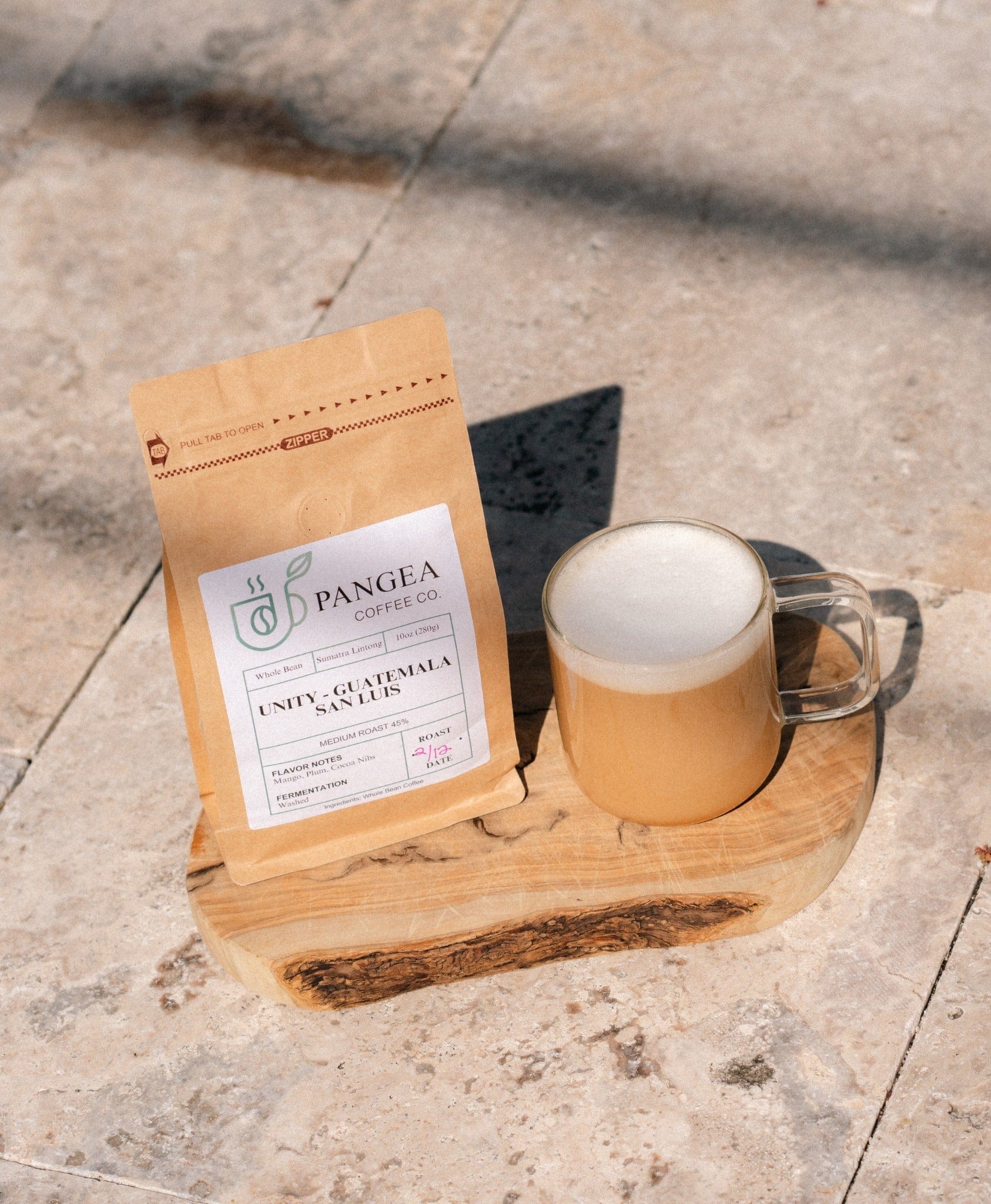
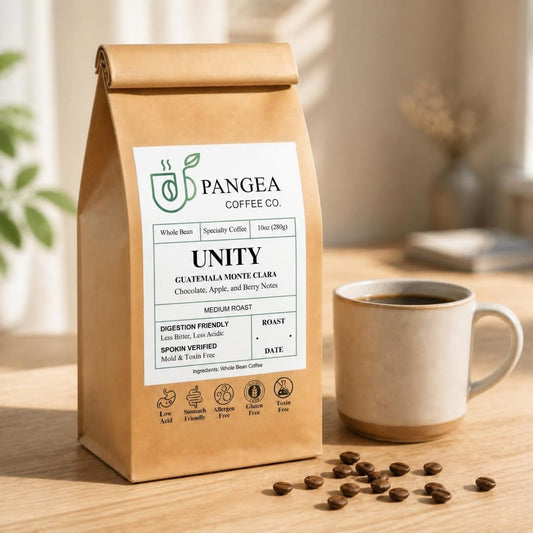
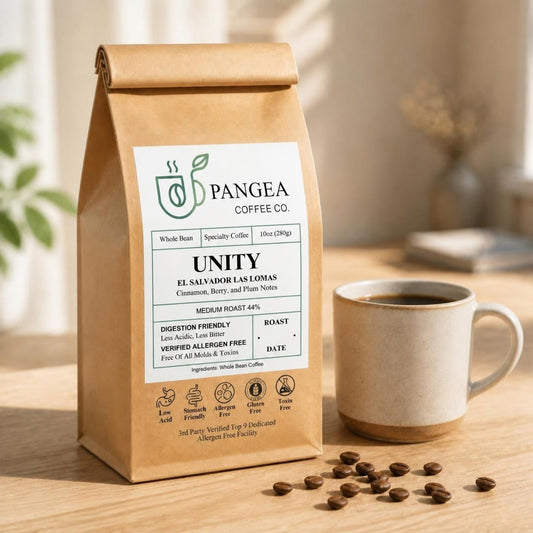
☕ Unity Medium Roast — Best All-Around
Smooth, balanced, with notes of dark chocolate and caramel. Our most popular. Works for drip, pour over, French press, and cold brew.
☕ Bold Respect No. 3 — Best for Espresso
Rich dark roast with deep body and zero bitterness. Recommended by Dr. Salhab for sensitive stomachs. Built for espresso, works beautifully as cold brew concentrate.
☕ Hope Light Roast — Best for Complexity
Bright, floral, fruit-forward. Guatemala and Mexico sourcing. For coffee drinkers who want to taste the origin, not just the roast.
☕ Sugarcane EA Decaf — Best Caffeine-Free Option
Processed using natural ethyl acetate from sugarcane — no chemical solvents. Same SPOKIN-verified facility standards. Perfect for evenings or caffeine-sensitive individuals.
Not sure where to start? The Flavor Discovery Pack lets you try Unity, Bold Respect, and Hope together.
Frequently Asked Questions
Is Peet’s coffee mold free?
Peet’s does not publicly provide third-party mold or mycotoxin verification. They have strong sourcing standards and quality-focused direct trade relationships, which likely reduce contamination risk compared to commodity coffee — but without independent documentation, their mold-free status cannot be verified by consumers.
Is Starbucks coffee mold free?
Starbucks does not publish third-party mycotoxin testing results or independent mold-free facility certification. Their large-scale sourcing model makes lot-by-lot contamination control structurally more difficult than small-batch specialty roasters. No public documentation confirms mold-free status for any Starbucks product.
Is Black Rifle Coffee mold free?
Black Rifle Coffee Company does not publish third-party mycotoxin testing or independent mold-free facility certification. They roast in the U.S. and emphasize freshness, which are positive signals, but neither constitutes mold-free verification by the standard that matters to sensitive consumers.
Is Costco Kirkland coffee mold free?
Kirkland Signature coffee does not carry mold-free claims and has no published mycotoxin testing. Several SKUs are USDA Organic, but organic certification doesn’t address mold contamination. Kirkland is commodity-scale, distributed through a large warehouse supply chain — conditions not typically associated with contamination-free protocols.
Is Trader Joe’s coffee mold free?
Trader Joe’s does not make mold-free claims and provides no third-party verification for its private-label coffee products. No mycotoxin testing documentation or independent facility audits are publicly available.
Is Lifeboost coffee actually mold-free?
Lifeboost makes explicit mold-free and mycotoxin-free claims and markets specifically to health-conscious, low-acid coffee drinkers. Their single-origin Nicaragua sourcing is a genuine quality positive. However, their mold-free claims are self-reported — they don’t have independent third-party facility certification equivalent to SPOKIN verification, and they carry no allergen-free facility certification. For consumers managing food allergies alongside digestive sensitivities, that gap is significant. Lifeboost is a better choice than commodity coffee, but self-reported testing without independent verification is a lower standard than third-party certified.
What coffee brand is actually verified mold free?
Among widely available coffee brands, Pangea Coffee is one of the only brands with genuine third-party verification — SPOKIN certification for allergen-free, contamination-conscious facility protocols — combined with on-staff Q graders who inspect every batch. Most brands claiming “mold-free” do not provide equivalent documentation. For a deeper look at what mold-free verification actually requires, see our complete mold-free coffee guide.
Does organic coffee mean mold free?
No. USDA Organic certification means coffee was grown without synthetic pesticides or fertilizers — it says nothing about mycotoxin levels or mold contamination. Organic coffee can develop mold during processing, drying, storage, or roasting if conditions aren’t carefully controlled. You need separate mold-free verification to confirm contamination-free status.
What is SPOKIN verification and why does it matter?
SPOKIN is an independent third-party platform that verifies allergen-free products. SPOKIN verification of a coffee facility means an independent organization has confirmed the facility operates without Top-9 allergens and maintains strict contamination-prevention protocols. It’s the difference between a brand saying “we’re clean” and an independent third party having audited and confirmed it. Pangea Coffee is the first coffee company in the U.S. to achieve SPOKIN verification.
What should I look for when buying mold-free coffee?
Look for three things: (1) third-party certification like SPOKIN, not just internal claims; (2) Q grader evaluation or documented testing methodology that you can actually verify; (3) sourcing transparency — specific origins, altitude, and processing method. Freshness (roast date within 2–4 weeks) also matters since mold risk increases in stale, improperly stored coffee. Avoid brands that claim “tested” without specifying how, where, or by whom.
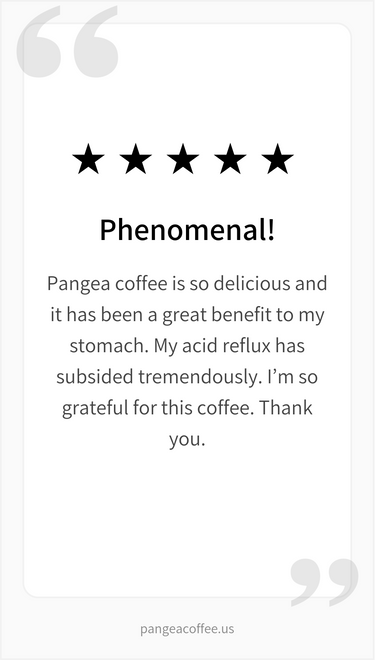
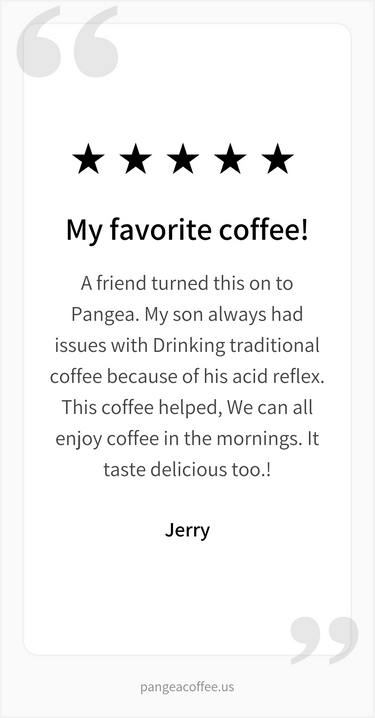
What Pangea Customers Say
⭐⭐⭐⭐⭐
“My family and I love how all of the coffee varieties taste and how they don’t hurt our stomachs. We will be drinkers of Pangea for as long as it’s roasted.”
Thomas E. — Verified Purchase
⭐⭐⭐⭐⭐
“I have REALLY bad GERD and acid reflux. This unity roast does not bother me at all. I also have severe food allergies to nuts and shrimp and drink this safely.”
Alison K. — Verified Purchase
⭐⭐⭐⭐⭐
“Delicious coffee that goes down easy. I have to be very careful with my stomach, and I am delighted that I can still drink this coffee.”
Drea — Verified Purchase
The Only Verified Answer to “Is This Mold-Free?”
SPOKIN-verified. Q-grader inspected. Top-9 allergen-free facility. Doctor-backed. Small-batch roasting with same-day weekday shipping (we strive for this on every weekday order).
Shop Verified Mold-Free Coffee →Related Guides
Disclaimer: This article is for informational purposes only. Brand information reflects publicly available documentation as of April 2026 and may change. We make no claims about the internal testing practices of other companies beyond what they have publicly disclosed. If you have mold sensitivity, food allergies, or digestive concerns, consult your healthcare provider.
Quality Assurance: Pangea Coffee Company is SPOKIN-verified Top-9 allergen-free — the first coffee company in the country to achieve this third-party certification. Q graders on our team inspect coffee at our facility and sometimes at the source. We rely on SPOKIN facility verification, Q grader evaluation, and sourcing standards to ensure clean coffee. We strive for same-day weekday shipping. Small-batch roasting only.
Last updated: April 2026