



Coffee Trends 2025: Are Tahini Lattes & Hawaij Safe?

Planet Oat just launched an Emily in Paris-themed White Chocolate Raspberry creamer, proving that coffee has officially crossed into entertainment and lifestyle territory. Meanwhile, tahini lattes are flooding Instagram feeds and Yemeni hawaij-spiced coffee is showing up on specialty café menus worldwide. Welcome to 2025's coffee culture—where viral trends, pop culture, and global flavors collide.
These innovations sound absolutely irresistible... until you read the ingredient list.
For people managing Top 9 food allergies, GERD, or acid reflux, these exciting trends introduce hidden risks that most coffee drinkers never consider. Let's break down what's trending, what's actually in these products, and how to navigate modern coffee culture safely—without missing out on flavor or feeling left behind.
🎬 Emily in Paris Coffee Creamer: When Entertainment Meets Your Morning Cup
Planet Oat's Emily in Paris White Chocolate Raspberry creamer represents a massive shift in coffee marketing—limited-edition products tied to streaming shows, fashion brands, and celebrity lifestyles. It's brilliant marketing: combine the romance of Paris, a hit Netflix series, and indulgent flavors into one viral product.
But for Top 9 allergy sufferers, what looks Instagram-worthy on the shelf may introduce hidden allergens or manufacturing cross-contamination that triggers serious reactions. The "White Chocolate Raspberry" description alone suggests dairy-derived ingredients or nut-based flavor compounds—but without complete transparency, you're gambling with your health.
The bigger picture: Pop-culture coffee collaborations prioritize viral marketing and shelf appeal over ingredient safety. When coffee becomes entertainment merchandise, health-conscious transparency usually gets left behind.
☕ Tahini Lattes: The Sesame Coffee Trend with a Major Allergen Problem
Tahini coffee—espresso blended with creamy sesame paste—has exploded across social media and trendy café menus in 2025. This Middle Eastern-inspired drink offers rich, nutty flavor and Instagram-perfect latte art. Coffee influencers praise tahini's smooth texture and perceived health benefits as a dairy-free alternative.
Here's the critical safety issue most people don't know:
Sesame became the 9th major food allergen recognized by the FDA in 2023, joining peanuts, tree nuts, milk, eggs, fish, shellfish, wheat, and soy. Sesame allergies can trigger severe reactions including hives, respiratory distress, digestive problems, and life-threatening anaphylaxis.
Why tahini coffee poses serious risks:
- Guaranteed cross-contamination – coffee shops use the same blenders, steam wands, portafilters, and counters for tahini drinks and regular orders
- Sesame proteins are sticky and persistent – standard rinsing doesn't eliminate allergen residue from equipment
- Baristas often don't understand allergen protocols or the severity of sesame allergies
- Menu labeling is inconsistent – many cafés don't clearly identify tahini/sesame content
- Shared prep spaces spread sesame contamination throughout the entire coffee station
Even if you order a "regular" latte at a café serving tahini drinks, cross-contamination risks mean you're potentially exposed to sesame allergens without knowing it.
🌶️ Hawaij Spice Coffee: Yemeni Tradition Meets Modern Allergen Complexity
Hawaij-spiced coffee brings traditional Yemeni coffee culture into the mainstream. This aromatic spice blend—typically featuring cardamom, ginger, cinnamon, cloves, and black pepper—creates warm, complex flavors that go far beyond basic cinnamon lattes.
Unlike tahini, hawaij spices themselves may not contain Top 9 allergens. But the reality of how coffee shops source and prepare hawaij drinks creates multiple safety concerns:
- Commercial spice blend processing – many hawaij products come from facilities that also handle tree nuts, peanuts, sesame, and soy
- Proprietary blend ingredients – "hawaij spice mix" often contains unlisted fillers, anti-caking agents, or natural flavors from allergen sources
- Pre-made hawaij syrups – convenient bottled versions frequently contain soy lecithin, dairy-derived compounds, or hidden allergen ingredients
- Shared equipment contamination – cafés serving hawaij drinks often also serve tahini lattes, nut milks, and dairy products on the same equipment
- Lack of ingredient transparency – baristas rarely have access to detailed supplier allergen statements
The cultural authenticity and flavor innovation of hawaij coffee is genuinely exciting—but without verified allergen-free sourcing and dedicated preparation protocols, these drinks remain risky for sensitive individuals.
⚠️ How to Navigate Coffee Trends Safely: Communication is Your Superpower
You don't have to avoid trendy coffee shops entirely—but you must advocate for yourself and ask the right questions. Clear, assertive communication protects your health and helps educate an industry that desperately needs better allergen awareness.
Essential questions to ask baristas, managers, or café owners:
- "What are ALL the ingredients in this drink?" – Don't accept vague answers like "natural flavors" or "spice blend"
- "Is this made with tahini, sesame, or any Top 9 allergens?" – Be specific about your concerns
- "Do you use the same equipment for allergen-containing drinks?" – Cross-contamination happens at every step
- "Can you provide ingredient documentation from your suppliers?" – Most won't have it, which tells you everything
- "What is your facility's allergen protocol?" – If they look confused, that's your answer
- "Can you prepare my drink on completely sanitized equipment?" – Watch if they actually do it
Don't be afraid to walk away if you don't get confident, detailed answers. Your health is infinitely more important than any trendy drink—no matter how many likes it would get on Instagram.
Understanding why cross-contamination poses serious health risks empowers you to make informed decisions and recognize when a coffee shop simply cannot guarantee your safety.
🌱 Clean Coffee: Flavor Innovation Without the Allergen Gamble
Here's what gets lost in viral coffee trends: exceptional coffee doesn't need elaborate add-ins, pop-culture tie-ins, or risky ingredients to taste incredible.
Clean, specialty-grade, low acid coffee delivers complex flavors, satisfying richness, and true origin character—without any Top 9 allergens, artificial additives, or cross-contamination risks.
What makes coffee truly "clean" and safe:
- Third-party allergen verification – Pangea Coffee is SPOKIN-certified as America's first dedicated allergen-free coffee roasting facility
- Specialty-grade beans, Q-grader inspected – rigorous quality control for mold-free, defect-free coffee
- Top 9 allergen-free – no dairy, soy, nuts, eggs, wheat, fish, shellfish, sesame, or gluten
- Complete ingredient transparency – nothing to hide, everything to share
- Low-acid roasting profiles – sensitive-stomach friendly
- Family ownership with personal investment – our own children have food allergies, so we take this seriously
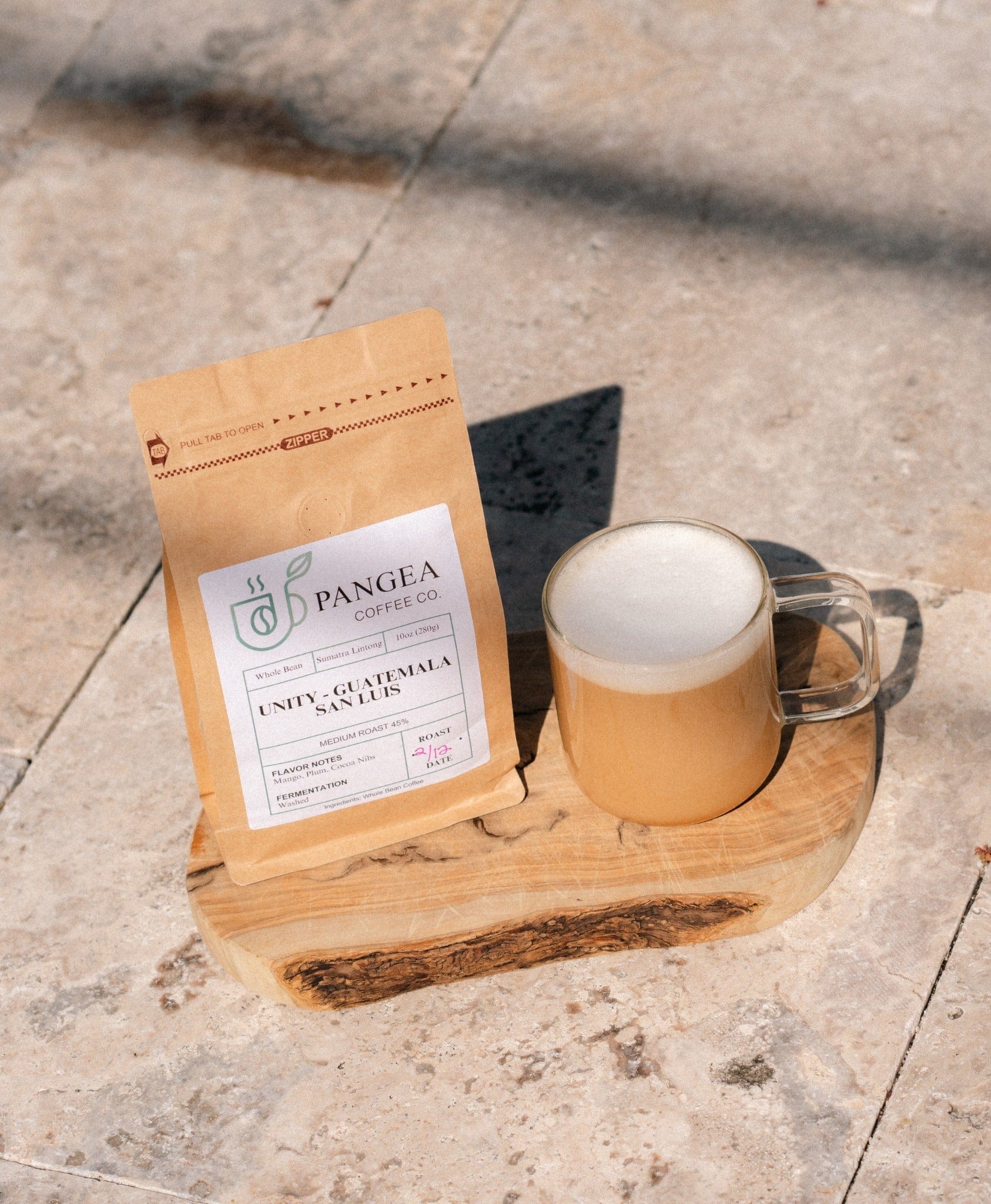
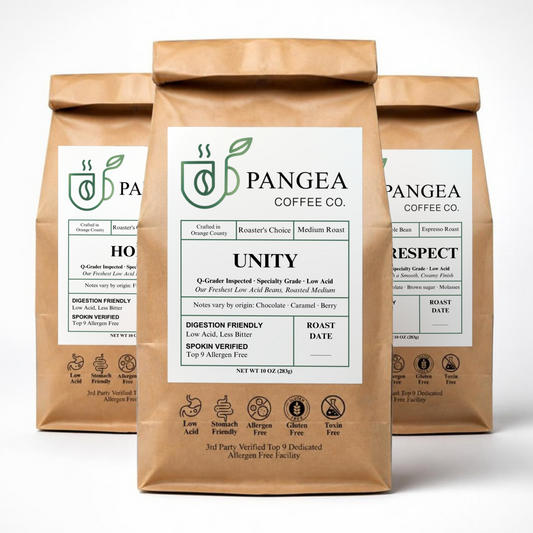
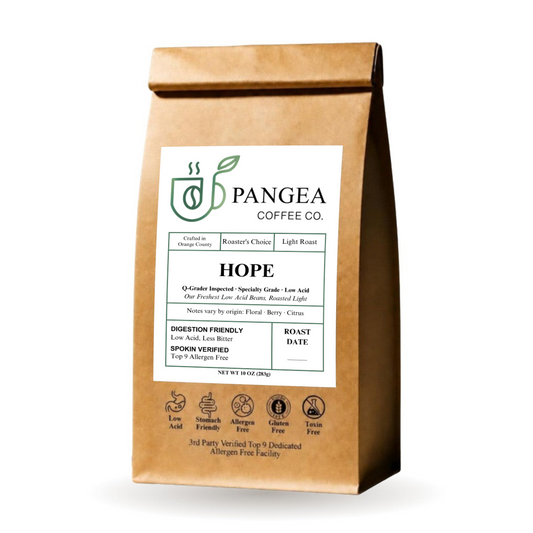
Want flavor variety without compromise? Our Flavor Discovery Pack lets you explore light, medium, and dark roasts across different origins—all from our certified allergen-free facility. Or try our smooth Unity Medium Roast or vibrant Hope Light Roast for everyday brewing.
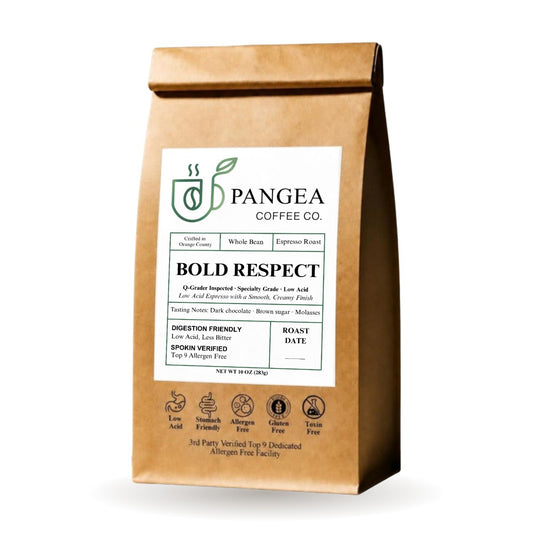
For espresso lovers, our Bold Respect Low Acid Espresso delivers rich, full-bodied, low-acid flavor that's sensitive-stomach friendly. Want to explore single-origin complexity? Try Unity – Guatemala Monte Clara or Unity – Ethiopia Sidama.
Is Planet Oat's Emily in Paris creamer safe for Top 9 allergies?
Without complete transparency and dedicated allergen-free manufacturing, these products cannot guarantee safety for allergy sufferers. Always read full ingredient lists and contact manufacturers directly with specific allergen questions.
Are tahini lattes safe if I don't have a sesame allergy?
Even if you don't have a sesame allergy, tahini lattes may still cause problems. Coffee shops using tahini create cross-contamination that affects ALL drinks made on the same equipment. If you have any Top 9 allergies, the facility likely isn't following proper allergen protocols. Additionally, tahini's high fat content may trigger digestive issues in people with GERD or acid reflux.
Can I safely order hawaij-spiced coffee with food allergies?
Hawaij spice blends themselves may not contain Top 9 allergens, but commercial sourcing and coffee shop preparation create risks. Many spice suppliers process multiple products (including nuts and sesame) in shared facilities. Coffee shops often use pre-made hawaij syrups containing hidden allergen ingredients. Always ask for detailed ingredient documentation before ordering.
What makes Pangea Coffee different from trendy coffee drinks?
Pangea Coffee is SPOKIN-certified as a dedicated allergen-free facility—meaning Top 9 allergens don't touch our equipment, facility, or products. We're Q-grader inspected, mold-free, and sensitive-stomach friendly. Unlike trendy coffee products, we prioritize safety and transparency over viral marketing.
How do I educate baristas about allergen safety?
Be direct and specific: "I have a sesame allergy. Do you serve tahini drinks? What's your cross-contamination protocol?" Most baristas don't receive allergen training, so your questions help them understand the severity. If they can't provide confident answers, politely explain the risks and consider ordering elsewhere. Learn more about cross-contamination education.
Can I enjoy coffee trends if I have GERD or acid reflux?
Most trendy coffee drinks contain high-acid additives, dairy, sweeteners, and spices that trigger GERD symptoms. Focus on low acid coffee options with minimal processing, no artificial flavors, and clean ingredient lists. Simple, quality coffee is gentler on sensitive stomachs than elaborate creamer-heavy drinks.
🤍 Join the Clean Coffee Movement: Flavor Without Fear
You shouldn't have to choose between participating in coffee culture and avoiding allergens or harsh, acidic coffee. You shouldn't have to interrogate baristas or gamble with hidden ingredients just to enjoy your morning cup.
Explore all of our SPOKIN-verified, allergen-free, low acid coffees:
Shop All Pangea Coffee Products →
Prefer convenience and never want to run out?
Our coffee membership subscription delivers clean, safe coffee on your personalized schedule with exclusive member benefits and special pricing.
Looking for variety packs?
Try our Unity Medium Roast 3-Pack for sustained quality or the Flavor Discovery Pack to explore different roast profiles.
📍 Orange County Local? We're based right here in Southern California. Find fresh, low acid coffee near you with fast local delivery or nationwide shipping.
Stay connected and help spread clean coffee education:
Instagram | TikTok | YouTube | Facebook
Ready to explore more clean coffee insights? Check out how Gen Z is brewing better at home or learn about anti-inflammatory coffee benefits.