Cloud Coffee for Acid Reflux: Is Coconut Water Coffee Actually Gut-Friendly?

Quick Takeaway: Cloud coffee (coconut water coffee) is trending on TikTok as a "healthier" alternative to regular iced coffee, but is it actually gentle on sensitive stomachs? We tested this viral recipe with low-acid coffee to see if it really helps with acid reflux and GERD. Here's what we discovered about coconut water's electrolytes, pH levels, and whether this trend delivers on its gut-friendly promises.
⚠️ CRITICAL SAFETY WARNING: Coconut Allergies
Before you try this recipe, please read this important safety information.
While coconut was officially removed from the FDA's tree nut allergen list in 2025, coconut allergies are real and can be serious. At Pangea Coffee, safety is our absolute top priority—we wouldn't be the first SPOKIN-verified allergen-free coffee facility in America if we didn't take this seriously.
You MUST check that you are not allergic to coconuts before trying cloud coffee. Even though coconut is botanically classified as a fruit (not a tree nut), some people can still have severe allergic reactions to coconut products.
Signs of coconut allergy include:
- Hives, skin rashes, or itching
- Swelling of the lips, tongue, throat, or face
- Difficulty breathing or wheezing
- Nausea, vomiting, or stomach cramps
- Dizziness or fainting
- Anaphylaxis in severe cases
Who should avoid this recipe:
- Anyone with a known coconut allergy or sensitivity
- People who have experienced reactions to coconut products in the past
- Individuals with severe tree nut allergies (some cross-reactivity can occur)
- Anyone uncertain about their allergy status—consult your allergist first!
Our commitment to your safety: While we love sharing creative coffee recipes, we will never compromise on safety. If you have any doubt about whether coconut is safe for you, do not try this recipe. Your health is far more important than any viral trend.
If you're looking for allergen-free coffee alternatives that are absolutely safe, stick with our pure, clean coffee served black or with verified allergen-free milk alternatives. Our facility is certified Top 9 allergen-free, meaning we never process coconut, tree nuts, or any of the other major allergens in our facility.
When in doubt, leave it out. We care about you more than clicks, views, or trends. Stay safe, friends.
So What Is Cloud Coffee and Why Is It Everywhere Right Now?
If you've scrolled through TikTok or Instagram lately, you've probably seen baristas and home coffee enthusiasts making "cloud coffee"—a tropical twist on the classic iced Americano that swaps regular water for coconut water. The drink gets its name from the fluffy cloud of non-dairy milk that floats on top, creating an Instagram-worthy layered effect that's been racking up millions of views.
The trend took off in early 2025 when coffee creators started claiming that coconut water makes coffee "better for you" by adding electrolytes and reducing acidity. One TikTok video from @ispillice showing the recipe garnered over 800,000 views, sparking thousands of people to try this tropical coffee hack at home.
But beyond the aesthetic appeal and viral hype, many people dealing with acid reflux, GERD, or sensitive stomachs are wondering: does coconut water actually make coffee easier to digest? Or is this just another social media trend that looks pretty but doesn't deliver?
The Science Behind Coconut Water and Coffee Acidity
To understand whether cloud coffee is truly gut-friendly, we need to look at what's actually happening when you mix coconut water with coffee. Coconut water has a pH of approximately 5.0 to 5.4, making it slightly acidic—but less acidic than coffee, which typically ranges from 4.85 to 5.10 depending on the roast and brewing method.
Here's what coconut water brings to your cup:
- Natural electrolytes: Potassium (600mg per cup), magnesium, sodium, and calcium that help with hydration
- Lower acidity than water: While not alkaline, coconut water is less harsh than some tap water sources
- Natural sugars: About 6 grams per cup, which can coat the stomach lining
- Minimal processing: Pure coconut water contains no artificial additives
However, adding coconut water to regular coffee doesn't magically neutralize the coffee's natural acids. If you're using a high-acid coffee bean, coconut water might dilute the acidity slightly through volume, but it won't eliminate the compounds that trigger reflux symptoms for many people.
According to gastroenterologists specializing in GERD, the type of coffee bean and roasting process matters far more than what you mix it with. That's where the choice of coffee becomes critical for anyone with a sensitive stomach.
How to Make Cloud Coffee the Gut-Friendly Way
Ready to try this trend without the stomach discomfort? Here's our tested recipe that actually works for sensitive stomachs:
Ingredients:
- 2 shots espresso or 4 oz double-strength coffee (use low-acid coffee)
- 8-10 oz coconut water (look for young coconut water, which is less sweet)
- Ice cubes
- 2-3 oz non-dairy milk (oat milk or coconut milk work beautifully)
- Optional: lime wedge for garnish
Instructions:
- Fill a tall glass with ice cubes
- Pour coconut water over the ice, filling about 2/3 of the glass
- Brew your espresso or prepare double-strength coffee using low-acid beans
- Slowly pour the coffee over the coconut water—watch it create a beautiful cascading effect
- Top with a float of non-dairy milk to create the signature "cloud" layer
- Add a lime wedge if you want extra tropical flavor
- Stir gently before drinking to mix the layers
Pro tip: For the best results, use cold brew concentrate made from Hope Light Roast, which has even lower acidity than hot-brewed espresso. The cold brewing process naturally reduces acid content by up to 67%, making it incredibly gentle on sensitive stomachs.
Does Coconut Water Actually Help with Acid Reflux?
Let's address the elephant in the room: can coconut water improve coffee's effects on acid reflux and GERD? The answer is nuanced.
Coconut water alone won't neutralize coffee's acids, but it does offer some potential benefits for people with sensitive stomachs:
The Potential Benefits:
- Hydration support: The electrolytes in coconut water help maintain proper hydration, which can support overall digestive health
- Natural coating effect: The subtle sweetness and viscosity may provide a slight protective layer in the stomach
- Dilution factor: Adding 8-10 oz of coconut water to 2-4 oz of coffee naturally reduces the concentration of acidic compounds per sip
- Potassium boost: This mineral plays a role in digestive muscle function
The Reality Check:
- Coconut water cannot change the fundamental pH or chemical composition of acidic coffee
- If you're starting with harsh, acidic beans, adding coconut water is like putting a band-aid on a bigger problem
- People with severe GERD will still experience symptoms if the coffee itself is triggering
- The real solution is choosing genuinely low-acid coffee as your base
Think of it this way: coconut water is a nice enhancement that adds nutritional value and taste, but it's not a medical solution for acid reflux. The coffee quality matters most.
Why Low-Acid Coffee Makes the Difference
After testing various combinations, the clear winner for gut-friendly cloud coffee is starting with beans that are naturally low in acid. Here's why this matters more than any mixer you add:
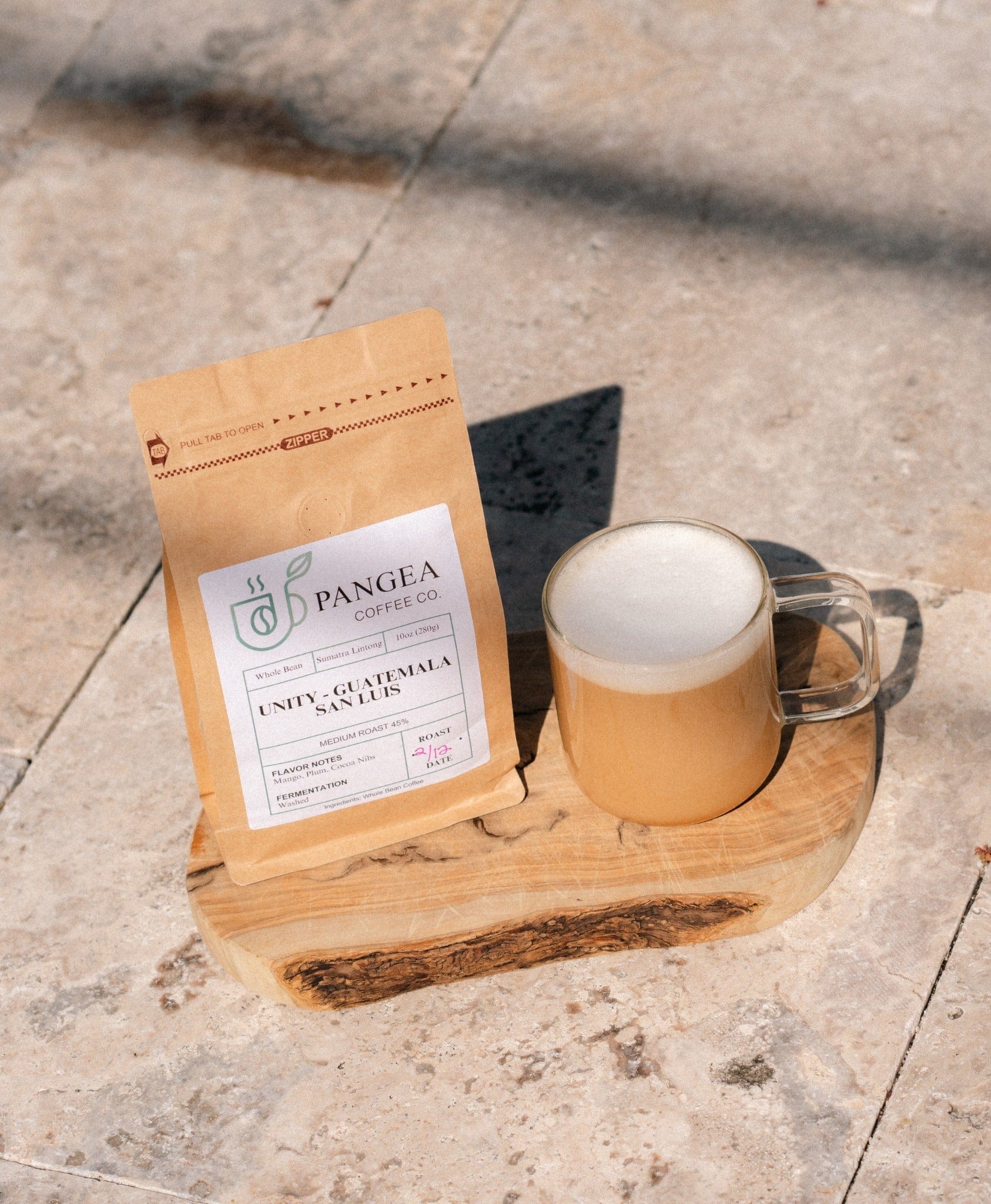
Processing Methods Matter: Low-acid coffee uses specific growing regions, careful harvesting at peak ripeness, and specialized roasting techniques that naturally reduce chlorogenic acids—the compounds most responsible for triggering reflux symptoms. Our Unity Medium Roast is grown at high elevation in regions with volcanic soil, then roasted to a precise temperature that minimizes acid formation while preserving rich flavor.
pH-Balanced from the Start: Rather than trying to neutralize acids after brewing, starting with coffee that has a pH of 5.5 or higher means you're not triggering reflux symptoms in the first place. When you combine this with coconut water, you create a genuinely gentle beverage that works with your digestive system instead of against it.
SPOKIN-Verified Safety: Beyond just being low-acid, Pangea Coffee is the first third-party verified allergen-free coffee facility in America. This matters for people with sensitive stomachs because cross-contamination with allergens can trigger inflammatory responses that worsen GERD symptoms. Our dedicated facility ensures you're getting pure, clean coffee with no hidden irritants.
Can I use decaf coffee for cloud coffee?
Absolutely! Decaf is actually a great choice for cloud coffee, especially if caffeine triggers your reflux. However, make sure you're choosing decaf that uses the Swiss Water Process rather than chemical solvents. Our decaf options maintain the same low-acid properties as our regular roasts while removing 99.9% of caffeine naturally. The coconut water pairs beautifully with decaf's milder flavor profile.
What type of coconut water works best?
Look for young coconut water (sometimes labeled as "pink coconut water") rather than mature coconut water. Young coconut water is less sweet and has a more delicate flavor that won't overpower your coffee. Brands like Harmless Harvest or straight from a young coconut are ideal. Avoid coconut water with added sugars or flavors—you want pure coconut water with nothing else added.
Is cloud coffee better than regular iced coffee for GERD?
Cloud coffee made with low-acid beans is gentler on the stomach than regular iced coffee made with acidic beans, but the coffee quality matters most. If you're comparing cloud coffee made with regular acidic coffee to plain iced coffee made with low-acid beans, the low-acid option wins every time. The coconut water is a bonus, not a solution. For best results, combine low-acid coffee with coconut water for a drink that's both trendy and truly gut-friendly.
How much caffeine is in cloud coffee?
Cloud coffee contains the same amount of caffeine as a regular Americano—typically 120-160mg for a double shot of espresso. The coconut water doesn't affect caffeine content. If you're sensitive to caffeine's effects on acid reflux, consider using a single shot (60-80mg) or switching to our Swiss Water Process decaf option, which delivers the same smooth taste with less than 3mg of caffeine.
Can I make cloud coffee with hot coffee instead of cold?
Technically yes, but we don't recommend it. Hot coffee mixed with cold coconut water creates an unpleasant lukewarm temperature that doesn't taste good. Hot coconut water also has an unusual flavor that most people find off-putting. Cloud coffee is designed as a cold, refreshing beverage. If you want a hot low-acid drink, try a traditional Americano or latte made with low-acid coffee instead.
Will this help with my morning coffee routine if I have GERD?
Cloud coffee made with low-acid beans can be a game-changer for your morning routine if you've been avoiding coffee due to GERD. The combination of naturally low-acid beans, the dilution from coconut water, and the cold temperature all work together to create a gentler option. However, everyone's triggers are different. Start with a small serving to see how your body responds, and always consult with your gastroenterologist about your specific dietary needs. Many of our customers with GERD report that switching to low-acid coffee transformed their relationship with their morning cup.
Beyond the Trend: Making Gut-Friendly Coffee Choices
While cloud coffee is a fun and refreshing way to enjoy your caffeine fix, the real takeaway here is about making informed choices for your digestive health. Viral trends come and go, but understanding what actually helps your sensitive stomach lasts forever.
If you've been struggling with coffee-related reflux, heartburn, or stomach discomfort, consider these evidence-based strategies:
Start with Quality Beans: Choose coffee that's specifically grown and roasted to be low in acid. Look for beans from volcanic soil regions like Guatemala or Ethiopia, which naturally produce smoother coffee. Our Guatemala Candelaria is a perfect example—it's incredibly smooth with notes of chocolate and caramel, and gentle enough for sensitive stomachs.
Consider Cold Brewing: The cold brew process naturally extracts fewer acidic compounds than hot brewing methods. If you love making coffee at home, invest in a good cold brew system and use Hope Light Roast as your base. You can make a large batch on Sunday and have smooth, low-acid coffee ready all week.
Try the Flavor Discovery Pack: Not sure which low-acid coffee will work best for your taste preferences? Our Flavor Discovery Pack lets you sample different roasts and origins to find your perfect match. Everyone's palate is different, and this gives you a chance to explore without committing to a full bag.
Join the Clean Coffee Movement: You don't have to suffer through acidic coffee or give up your morning ritual entirely. Thousands of people have discovered that switching to properly processed, low-acid coffee lets them enjoy coffee again without the discomfort. Share your cloud coffee creations with us on Instagram or TikTok using #CloudCoffee and #PangeaCoffee.
The Verdict: Is Cloud Coffee Worth the Hype?
So, is cloud coffee actually gut-friendly, or is it just another pretty drink for Instagram? The answer is: it depends entirely on the coffee you use.
If you're making cloud coffee with regular acidic coffee beans, you're essentially creating a slightly diluted version of what was already bothering your stomach. The coconut water adds nutrition and flavor, but it can't fix the fundamental acidity problem.
However, when you make cloud coffee with genuinely low-acid beans like our Unity or Hope roasts, you get the best of both worlds: a trendy, refreshing beverage that actually works for sensitive stomachs. The coconut water's electrolytes, the cold temperature, and the naturally gentle coffee combine to create something that tastes great and feels great.
The real lesson here isn't about following trends—it's about making smart choices that support your health while still enjoying the coffee experience you love. Cloud coffee can absolutely be part of a gut-friendly routine, as long as you start with the right foundation.
Ready to try cloud coffee the right way? Start with Unity Medium Roast for a smooth, balanced flavor, or choose Hope Light Roast for an even lighter, fruitier cold brew base. Your stomach will thank you, and your Instagram feed will look amazing.
Have questions about low-acid coffee or need help choosing the right roast for your needs? Reach out to our team—we're here to help you find your perfect cup.