



Filtered vs. Unfiltered Coffee: Does Your Brewing Method Change Your Cholesterol?

If you drink French press, espresso, or coffee from an office brewing machine, you are drinking a measurably different beverage than someone brewing through a paper filter — even when the beans are identical.
The difference is not caffeine. It is not acidity. It is a pair of oily compounds called cafestol and kahweol, and whether they end up in your cup depends almost entirely on what your coffee passes through on the way there.
Here is what the research actually shows, which methods land where, and how to decide what belongs in your morning without giving up the cup you love.
What the American Heart Association Actually Said in July 2026
On July 20, 2026, the AHA published a scientific statement in Circulation reviewing decades of research on coffee and cardiovascular health. The headline finding traveled fast: up to 400 mg of caffeine per day — roughly five 8-ounce cups of black coffee — is generally safe for most healthy adults.1
The statement went further than safety. Drawing on large cohort studies, it linked regular coffee consumption to lower risk of several cardiovascular conditions, including heart failure, coronary heart disease, and stroke.1
Two qualifications got far less attention than they deserved.
First, the coffee had to be plain. The benefits showed up most consistently with black coffee, without added sugars, syrups, or heavy cream.1
Second, the brewing method mattered. Reporting on the statement noted that the heart-healthy associations applied specifically to paper-filtered or instant coffee — not to every preparation equally.2
Cafestol and Kahweol: The Compounds Your Filter Catches
Coffee beans contain oily compounds called diterpenes. The two that matter for cholesterol are cafestol and kahweol.
Both have been studied since the 1990s, when researchers identified them as the reason unfiltered coffee raises LDL cholesterol while drip-filtered coffee generally does not.
A landmark trial made the mechanism unusually clear. Researchers took the same boiled coffee, passed half of it through commercial paper filters, and gave both versions to volunteers for 79 days. The group drinking the unfiltered version saw total cholesterol rise by 0.42 mmol/L and LDL by 0.41 mmol/L relative to the filtered group.4
Same beans. Same brew. The only variable was a paper filter — and it was enough to erase the effect.
Why Paper Works and Metal Mesh Does Not
Cafestol and kahweol ride in coffee's natural oils. Paper is absorbent and traps those oils. A metal mesh screen, the kind in a French press or a reusable pod basket, lets them straight through.
This is also why the cup looks different. Paper-filtered coffee is clear and clean-bodied. French press coffee has visible sheen on the surface and a heavier mouthfeel. That texture you can see is largely the same oil fraction carrying the diterpenes.
Brewing Methods Ranked by Diterpene Content
A 2025 Swedish study published in Nutrition, Metabolism and Cardiovascular Diseases measured cafestol and kahweol across brewing methods using liquid chromatography-mass spectrometry. The spread is dramatic.5
| Brewing Method | Median Cafestol | What It Means |
|---|---|---|
| Paper-filtered drip (home) | ~12 mg/L | Lowest measured. The AHA-aligned choice. |
| Percolator / French press | ~90 mg/L | Roughly seven times paper-filtered drip. |
| Office brewing machines | ~176 mg/L | Often assumed filtered. Frequently is not. |
| Espresso | Highly variable | Some samples measured very high, but servings are small. |
| Boiled / Scandinavian | ~939 mg/L | The highest measured preparation. |
The researchers ran one practical calculation worth sitting with. Swapping three cups of unfiltered machine coffee for paper-filtered coffee, five days a week, was estimated to lower LDL cholesterol by 0.58 mmol/L.5
That is a meaningful shift from changing nothing but a filter.
A Fair Word About Espresso
Espresso measurements vary widely across samples, and it is easy to read the raw numbers as alarming. Concentration is only half the picture, though — a 1-ounce shot delivers far less total volume than a 12-ounce mug. A single daily espresso is a very different exposure than a pot of boiled coffee.
If espresso is your ritual, you do not need to abandon it. If you are drinking six shots a day and actively managing LDL, that is a conversation worth having with your doctor.
What This Does — and Does Not — Change About Your Coffee
It is worth being precise here, because these topics get tangled together constantly.
Filtration affects cholesterol. It does not affect acidity. Passing coffee through paper removes oils. It does not meaningfully change the chlorogenic acids or the perceived acidity that determine whether a cup sits well in a sensitive stomach. Those come from the bean's origin, its processing, and its roast level.
So if you have been switching brewing methods hoping to settle reflux or gastritis symptoms, filtration is probably not the lever you are looking for. Bean selection is. Our gastritis and ulcer guide covers that side in depth, and our acid reflux guide walks through what to look for on a bag.
Filtration also does not remove mold or mycotoxins. A paper filter is not a purification step. What protects you there is how the green coffee was sourced, stored, and handled long before it reached your kitchen.
Brewing for a Cleaner Cup, Step by Step
If You Want the Lowest Diterpene Cup
- Use a paper filter, not a permanent metal mesh basket. This is the single biggest lever.
- Grind slightly finer for drip. Filter porosity and grind size together determine how much oil gets through.6
- Skip the reusable pod inserts if LDL is a concern — they filter through mesh, not paper.
- Drink it black, or close to it. The AHA associations weakened with added sugars and heavy cream.1
- Check your office machine. Many pour through mesh or nylon rather than paper, and the study found those cups carried far more diterpenes than people assume.5
If You Love French Press
You have options short of giving it up. Brew as usual, then pour the finished coffee through a paper filter into your mug — the boiled-and-filtered trial showed exactly this approach works.4 Or keep the press for weekends and run paper-filtered drip on weekdays.
Where Cold Brew Lands
Most home cold brew is strained through paper, a fine cloth, or a dense mesh, so it generally sits toward the lower end — though it depends entirely on what you strain through. If you use a metal mesh basket, you are keeping more of the oils. Our cold brew guide covers method and ratios in detail.
Choosing Beans That Suit Any Method
Brewing method handles the diterpenes. What is in the bag handles everything else — and that is where we focus.
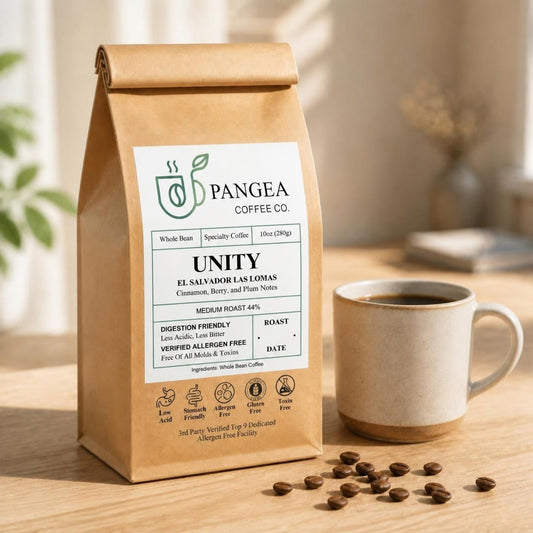
Pangea Coffee Co. is a family business. Our kids have food allergies, which is why we became the first SPOKIN-verified coffee company in America, and why no Top-9 allergen is permitted in our building at all. Our Q graders inspect coffee at our roastery, and sometimes at the source.
Our Roasts
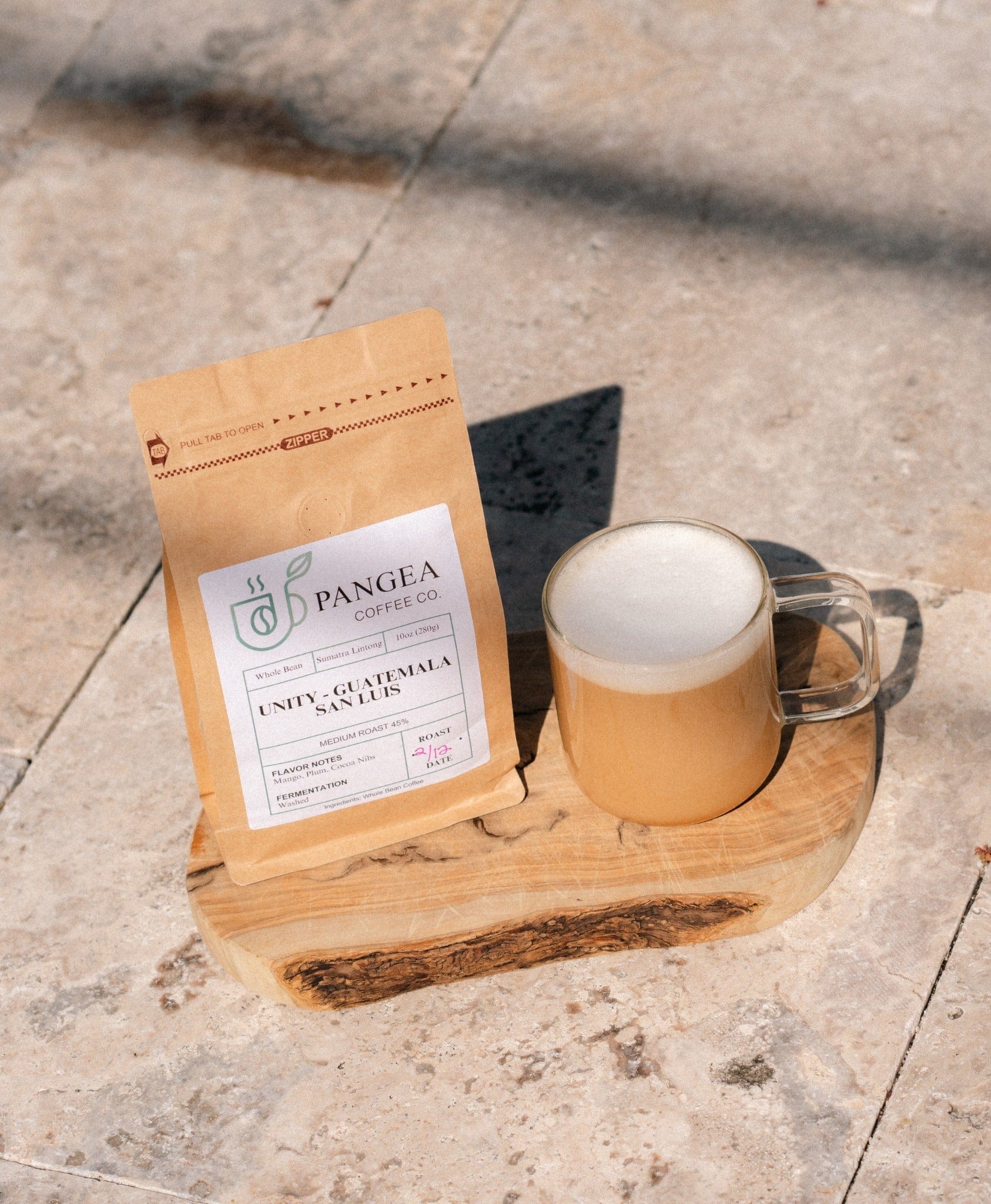
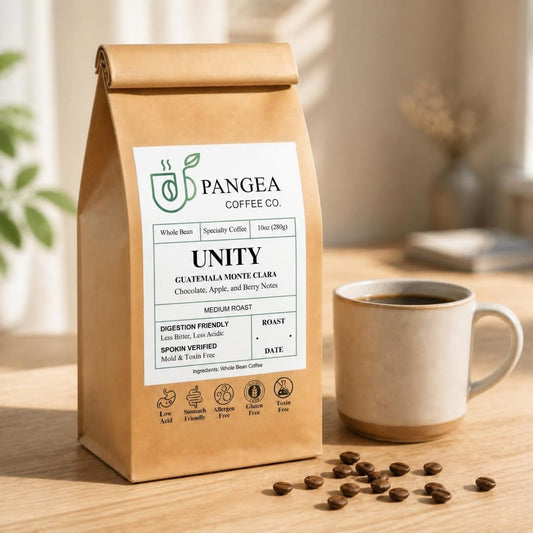
- Unity Medium Roast — our most versatile bean. Balanced through paper-filtered drip, forgiving in a press.
- Bold Respect Espresso — built for the espresso basket, and equally good as a dark drip.
- Hope Light Roast — bright and delicate. Paper-filtered pour-over shows off its clarity best.
- Sugarcane EA Decaf — decaffeinated using natural ethyl acetate derived from sugarcane rather than harsh solvents. Naturally low-acid and well suited to evenings.
For Caffeine-Sensitive Drinkers
One point that surprises people: decaffeination does not remove diterpenes. Cafestol and kahweol are oils, not stimulants, so a French press of decaf still carries them. If you have switched to decaf for heart or sleep reasons, the filter question applies to you exactly as it does to everyone else.
Our decaf retains trace caffeine, as all decaf does. If caffeine sensitivity is part of a broader digestive picture, our decaf and acid reflux guide goes deeper.
Not sure where to start? The Flavor Discovery Pack lets you try three roasts across whatever method you brew with.

Frequently Asked Questions
Does a paper filter remove caffeine?
No. Caffeine is water-soluble and passes straight through paper. Filters trap oils, not stimulants. Your paper-filtered cup has essentially the same caffeine as an unfiltered cup of the same strength.
Is French press coffee bad for you?
Not inherently. French press carries roughly seven times the cafestol of paper-filtered drip, which is relevant if you are managing LDL cholesterol or drinking several cups daily. For an occasional cup in someone with healthy cholesterol, it is a small factor. Your doctor is the right person to weigh it against your own numbers.
Do metal mesh filters work as well as paper?
No. Mesh screens catch grounds but let coffee oils through, and the diterpenes travel in those oils. Paper is absorbent and retains them. If cholesterol is your concern, paper is the meaningful choice.
Does filtering change how acidic coffee tastes?
Only marginally. Paper filtration removes oils, which changes body and mouthfeel more than perceived acidity. If a cup tastes sharp or sits poorly, the cause is usually the bean's origin and roast level rather than the filter.
Does decaf coffee contain cafestol?
Yes. Decaffeination targets caffeine, not the oil fraction, so decaf brewed unfiltered still delivers diterpenes. The brewing method matters just as much for decaf drinkers.
How many cups a day does the AHA consider safe?
Up to 400 mg of caffeine daily, about five 8-ounce cups of black coffee, is described as generally safe for most healthy adults. That guidance is for healthy adults specifically. Pregnancy, caffeine sensitivity, certain arrhythmias, and active cholesterol management are all reasons to check with a clinician first.
Does a paper filter remove mold or mycotoxins?
No, and it should not be treated as a safeguard. Filtration removes oils and grounds. Protection against mold comes from careful sourcing, storage, and handling of green coffee long before brewing.
Is instant coffee low in diterpenes?
Measured levels in instant coffee are low, and reporting on the AHA statement grouped instant with paper-filtered as the preparations tied to the heart findings. Flavor and quality are a separate question from diterpene content.
Can I keep my French press and still filter?
Yes. Brew normally, then pour the finished coffee through a paper filter into your mug. The trial on boiled coffee tested exactly this sequence and found the filtered version did not raise cholesterol the way the unfiltered version did.
What Our Customers Say
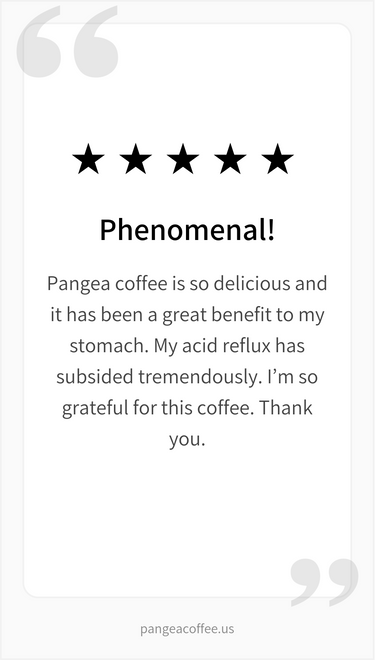
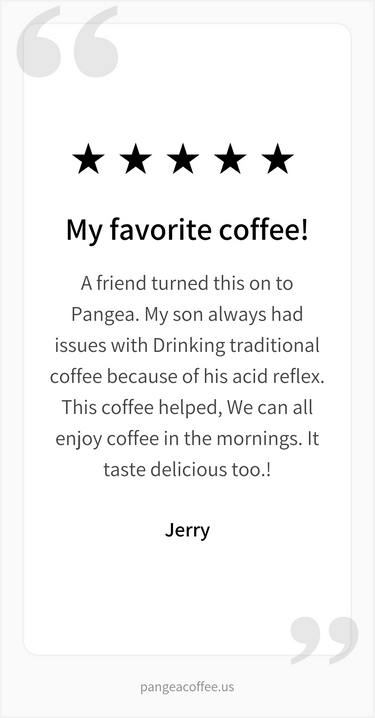
“I have REALLY bad GERD and acid reflux. This unity roast does not bother me at all. I also have severe food allergies to nuts and shrimp and drink this safely.”
— Alison K.
“Delicious coffee that goes down easy. I have to be very careful with my stomach, and I am delighted that I can still drink this coffee.”
— Drea
“The Costa Rica Hope is so smooth and highlighted the notes are well rounded and very enjoyable cup of coffee.”
— Daniel C.
Clean beans, whatever your brewing method. Allergen-free facility, naturally low-acid sourcing, and a Q grader's eye on every lot.
Shop Our CoffeeMembers get free shipping on every order — skip, pause, or cancel anytime.
Medical disclaimer: This article is for informational purposes only and is not medical advice. It does not diagnose, treat, or cure any condition. Cholesterol management is individual, and coffee is one small variable among many. Please consult your physician or a registered dietitian before making changes based on this article, particularly if you are managing cardiovascular disease, high cholesterol, or are pregnant.
References
- American Heart Association. “Coffee and heart health: How many cups of caffeinated coffee are safe to drink each day?” Scientific statement published in Circulation, July 2026. View statement
- ABC News. “Up to 5 cups of coffee per day may potentially lower heart disease risk, doctors say.” July 2026. Read coverage
- Harvard Gazette. “Coffee refill? Go for it, says American Heart Association, with note of caution.” July 2026. Read article
- Bak AA, Grobbee DE, et al. “Cholesterol-raising factor from boiled coffee does not pass a paper filter.” PMID 2029499. View on PubMed
- Orrje E, et al. “Cafestol and kahweol concentrations in workplace machine coffee compared with conventional brewing methods.” Nutrition, Metabolism and Cardiovascular Diseases, 2025. PMID 40089392. View on PubMed
- Moeenfard M, et al. “Physical characteristics of the paper filter and low cafestol content filter coffee brews.” PMID 29735059. View on PubMed
- Perrone D, et al. “Chlorogenic acid reduction during coffee roasting.” PMID 19530715. View on PubMed
Our quality commitment: Pangea Coffee Co. is the first SPOKIN-verified coffee company in America. No Top-9 allergens are permitted in our facility. Our Q graders inspect coffee at our roastery and, at times, at the source. We source from naturally low-acid growing regions including Brazil, Sumatra, Guatemala, Mexico, and Ethiopia Sidama, and we strive for same-day weekday shipping on every order.
Last updated: August 14, 2026