



Espresso and Alzheimer's Prevention: Why Clean Coffee Quality Matters

New research reveals that your daily espresso might offer more than just an energy boost—it could help protect your brain from Alzheimer's disease. But there's a crucial caveat that wellness-conscious coffee lovers need to understand: coffee quality fundamentally determines whether you're getting these neuroprotective benefits or inadvertently consuming toxins that could negate them entirely.
Groundbreaking Research: Espresso Compounds Block Alzheimer's Proteins
A landmark study published in the Journal of Agricultural and Food Chemistry by researchers at the University of Verona has uncovered something remarkable about espresso coffee. Through extensive laboratory testing, scientists discovered that specific compounds in espresso can prevent the aggregation of tau proteins—a process closely linked to the development of Alzheimer's disease.
Understanding tau proteins is essential to appreciating this research. In healthy brains, tau proteins stabilize critical structures within neurons. However, when Alzheimer's disease develops, these proteins begin clumping together into tangled fibrils. These tangles disrupt normal brain function and contribute to the cognitive decline characteristic of the disease.
The Italian research team isolated several key compounds from espresso shots, including caffeine, trigonelline, genistein, and theobromine. When they incubated these compounds alongside tau proteins for up to 40 hours, the results were striking. As the concentration of espresso extract increased, tau fibrils became shorter and failed to form the larger sheets typically responsible for neuronal damage. The complete espresso extract showed the most dramatic results—even more effective than isolated compounds alone.
Perhaps most importantly, the shortened tau fibrils created in these experiments proved non-toxic to cells and didn't act as "seeds" for further protein aggregation. The researchers also demonstrated that both caffeine and espresso extract could bind to pre-formed tau fibrils, potentially preventing existing tangles from growing worse.
The Critical Factor Everyone's Missing: Coffee Quality Determines Benefits
Here's where the conversation about coffee and brain health takes a crucial turn that most discussions overlook entirely. While the espresso-Alzheimer's research is genuinely promising, there's a fundamental problem with applying these findings to just any coffee: the quality of your coffee beans dramatically impacts whether you're getting neuroprotective compounds or consuming toxins that could undermine your health goals.
The reality is that not all coffee is created equal. Many commercially available coffees contain varying levels of mold, mycotoxins, pesticide residues, and other contaminants that develop during growing, processing, or storage. When coffee beans are improperly handled—exposed to excessive moisture, stored in poor conditions, or processed without adequate quality controls—harmful substances can accumulate.
The Mycotoxin Problem in Coffee
Mycotoxins are toxic compounds produced by certain molds that can grow on coffee beans under the wrong conditions. The two most concerning types found in coffee are ochratoxin A (OTA) and aflatoxin B1. Research has linked these substances to various health concerns, including kidney stress, liver damage, and potential carcinogenic effects.
While regulatory bodies set safety limits for mycotoxin levels, the presence of these toxins in your daily coffee means your body must constantly work to detoxify them. For individuals with compromised detoxification pathways, gut health issues, or autoimmune conditions, even small amounts of mycotoxins can trigger inflammation and other adverse reactions.
Think about it this way: if you're drinking coffee specifically for brain health benefits like tau protein inhibition, consuming toxins alongside those beneficial compounds creates a counterproductive situation. Your body diverts resources toward detoxification rather than fully utilizing the neuroprotective compounds that drew you to coffee in the first place.
Why Specialty Clean Coffee Makes All the Difference
This is where the conversation shifts from interesting research to practical application. If you want to maximize coffee's potential brain health benefits while minimizing exposure to harmful contaminants, choosing specialty-grade, rigorously inspected coffee becomes essential.
What Defines Clean, Specialty Coffee
Specialty coffee represents the top tier of quality in the coffee industry. Unlike commodity-grade coffee, which may include defective beans and inconsistent quality, specialty coffee must meet stringent standards throughout the entire supply chain. This includes:
- Optimal growing conditions: Coffee cultivated at high altitudes in ideal climates naturally develops fewer mold issues and produces beans with more complex beneficial compounds
- Meticulous processing: Proper drying techniques that reduce moisture to optimal levels (10-12%) prevent mold growth before it starts
- Careful storage: Climate-controlled warehousing in protective bags prevents contamination during the critical period between processing and roasting
- Expert quality control: Trained Q graders identify and remove defective beans that could harbor mold or mycotoxins
- Third-party verification: Independent testing confirms the absence of allergens, toxins, and contaminants
The Family-Owned Advantage
At Pangea Coffee Company, our commitment to clean coffee isn't just a marketing angle—it's deeply personal. As a family-owned business with children who suffer from food allergies, we understand firsthand what's at stake when coffee quality is compromised. This lived experience drives our uncompromising approach to sourcing, processing, and verifying every batch.
We're SPOKIN-verified as America's first allergen-free coffee facility, operating a completely nut-free environment with strict cross-contamination protocols. Our on-site Q graders personally evaluate every batch, ensuring that only the highest-quality beans make it into your cup. We don't just claim our coffee is clean—we have the independent verification to prove it.
Low Acid Coffee: The Gut-Brain Connection
Beyond mycotoxins and allergens, there's another critical quality factor for maximizing coffee's health benefits: acidity levels. Recent research has increasingly highlighted the gut-brain axis—the bidirectional communication between your digestive system and your brain. When you're dealing with digestive inflammation from acid reflux, GERD, or sensitive stomach issues, this connection becomes disrupted.
High-acid coffee can trigger inflammation in your digestive tract, potentially undermining the very brain health benefits you're seeking from your espresso. Our naturally low-acid coffee process addresses this concern by:
- Selecting beans grown at optimal altitudes where slower maturation produces naturally lower acidity
- Employing precise roasting profiles that reduce acidic compounds while preserving beneficial antioxidants and neuroprotective substances
- Maintaining consistent quality for a sensitive-stomach friendly cup
If acidic coffee bothers you, many readers choose a low-acid roast so they can keep their daily ritual.
Espresso Specifically: Maximizing Neuroprotective Compounds
The University of Verona research specifically studied espresso, which concentrates coffee's beneficial compounds through high-pressure extraction with hot water. This brewing method creates an intensely flavored shot that contains higher levels of the bioactive molecules shown to inhibit tau protein aggregation.
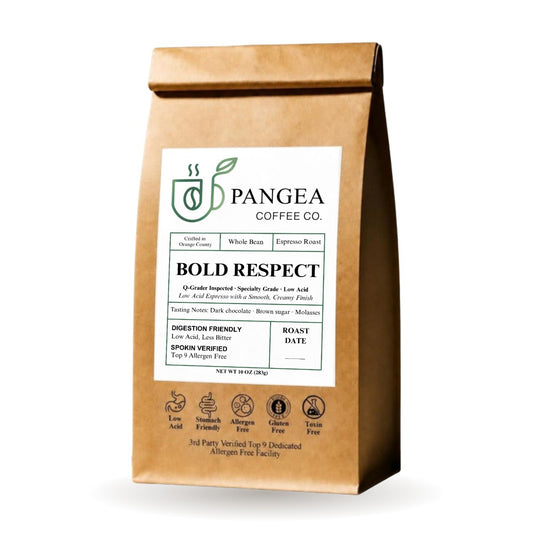
Our Bold Respect low-acid espresso is made to the same clean coffee standards. This dark roast espresso features:
- Specialty-grade Arabica beans, small-batch roasted
- Roasting profiles optimized to develop rich, bold flavors
- Low acidity that makes it gentle on sensitive stomachs without compromising taste
- SPOKIN-verified allergen-free, mold-free and Q-grader inspected
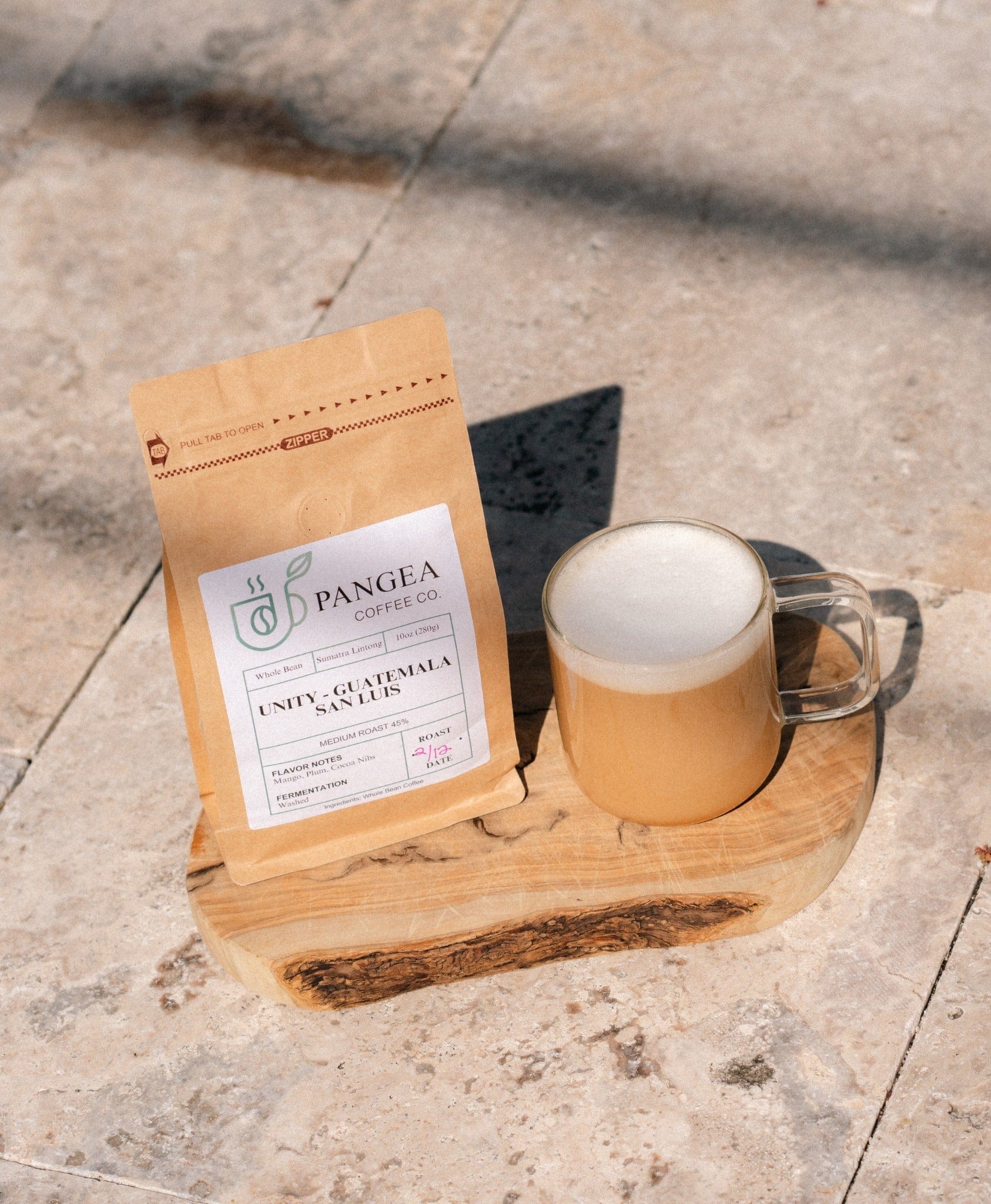
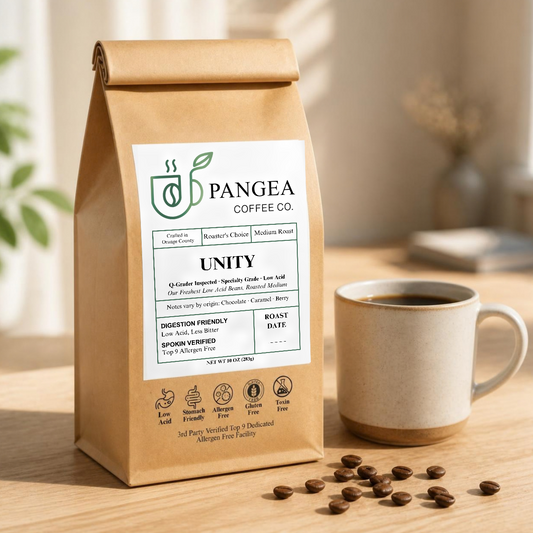
For those who prefer medium roast options, our Unity Medium Roast offers exceptional versatility for espresso preparation while maintaining the same rigorous quality standards.
The Research Perspective: What the Science Really Says
It's important to maintain realistic expectations about this research. The University of Verona study represents preliminary in vitro (laboratory-based) findings. The experiments were conducted on isolated tau proteins and cells in controlled conditions—not in living humans. As the researchers themselves acknowledge, much more work is needed before we can definitively claim that drinking espresso prevents Alzheimer's disease in people.
That said, the research is genuinely promising and aligns with a growing body of evidence suggesting coffee consumption may offer neuroprotective benefits. The researchers noted that many coffee compounds can cross the blood-brain barrier, meaning they could potentially exert similar effects in the human brain. They estimated that moderate coffee consumption—around two to three espressos per day—could provide sufficient quantities of these bioactive compounds to potentially influence tau protein behavior.
What we can say with confidence is this: if coffee does offer neuroprotective benefits, the quality of that coffee will fundamentally determine whether you're actually getting those benefits or inadvertently consuming substances that work against your health goals.
Practical Application: Making Clean Coffee Part of Your Wellness Routine
For health-conscious individuals interested in maximizing coffee's potential cognitive benefits, here's a practical framework:
Choose Quality First
Prioritize specialty-grade coffee from producers who can verify their quality standards. Look for brands that provide third-party testing results, maintain allergen-free facilities, and demonstrate transparency about their sourcing and processing methods. At Pangea Coffee, we offer this transparency because we have nothing to hide—our coffee genuinely meets the highest purity standards.
Consider Your Gut Health
Remember that the gut-brain axis means your digestive health directly impacts cognitive function. If regular coffee causes digestive distress, you're potentially undermining any brain health benefits. Switching to naturally low-acid coffee addresses this concern while maintaining the beneficial compounds highlighted in the Alzheimer's research.
Embrace Espresso Preparation
The research specifically examined espresso, which concentrates beneficial compounds. Whether you use a traditional espresso machine, a stovetop moka pot, or an AeroPress to create espresso-style coffee, this extraction method maximizes the neuroprotective substances. Our low-acid espresso beans are specifically selected and roasted to excel with these brewing methods.
Maintain Consistency
The research suggests that regular, moderate consumption provides the best potential benefits. Aim for two to three cups daily, understanding that consistency matters more than occasional large quantities. This aligns with broader coffee research showing that moderate daily consumption offers various health benefits.
Store Properly
Even the highest-quality coffee can develop mold after you bring it home if stored incorrectly. Keep your beans in an airtight container in a cool, dry place away from moisture, heat, and light. Proper storage preserves the beneficial compounds while preventing any post-purchase contamination.
Frequently Asked Questions: Espresso, Alzheimer's Prevention, and Coffee Quality
Does drinking espresso actually prevent Alzheimer's disease?
The research shows that espresso compounds can inhibit tau protein aggregation in laboratory settings, which is promising. However, this is preliminary research conducted in vitro (in test tubes and cells), not in living humans. While the findings are encouraging and align with other research suggesting coffee's neuroprotective potential, we cannot definitively say that drinking espresso prevents Alzheimer's. More clinical studies are needed. What we can say is that if coffee does offer brain health benefits, quality matters enormously—clean, mold-free coffee is essential for maximizing any potential protective effects.
How much espresso should I drink for potential brain health benefits?
The University of Verona researchers estimated that two to three espressos per day could provide sufficient quantities of bioactive compounds like caffeine and genistein to potentially influence tau protein behavior. This aligns with general health guidance suggesting that moderate coffee consumption (3-4 cups daily for regular coffee, fewer for concentrated espresso) offers various health benefits without adverse effects. Always consult with your healthcare provider about what's appropriate for your individual situation, especially if you have existing health conditions.
Why does coffee quality matter for brain health benefits?
Coffee quality fundamentally determines whether you're getting beneficial compounds or consuming toxins that could undermine health goals. Low-quality coffee can contain mycotoxins (toxic compounds from mold), pesticide residues, and other contaminants that force your body to divert resources toward detoxification rather than utilizing neuroprotective compounds. Additionally, high-acid coffee can trigger digestive inflammation that disrupts the gut-brain axis, potentially negating brain health benefits. Clean, specialty-grade coffee minimizes these concerns while maximizing beneficial compounds.
What are mycotoxins and should I worry about them in coffee?
Mycotoxins are toxic compounds produced by certain molds that can grow on improperly stored coffee beans. The most concerning types in coffee are ochratoxin A (OTA) and aflatoxin B1, which have been linked to kidney stress, liver damage, and potential carcinogenic effects. While most commercially available coffee contains levels below regulatory safety limits, individuals with compromised detoxification pathways, gut health issues, or autoimmune conditions may be more sensitive. Choosing specialty-grade coffee from producers with rigorous quality control and third-party testing significantly reduces mycotoxin exposure.
Is low-acid coffee better for brain health than regular coffee?
Low-acid coffee offers important advantages for maximizing overall health benefits. The gut-brain axis means digestive health directly impacts cognitive function. High-acid coffee can trigger inflammation in the digestive tract, potentially disrupting this connection and undermining brain health benefits. Low-acid coffee reduces this concern while maintaining the beneficial compounds highlighted in Alzheimer's research. Additionally, low-acid coffee allows people with GERD, acid reflux, or sensitive stomachs to enjoy coffee's potential neuroprotective benefits without digestive distress.
How do I know if my coffee is actually clean and mold-free?
Look for several quality indicators: third-party verification (such as SPOKIN certification), specialty-grade designation (80+ points on coffee grading scales), transparency about sourcing and processing, proper storage practices, and documented quality evaluation (such as Q-grader inspection or lab testing). Family-owned companies often maintain higher standards because quality is personal rather than just business. Be wary of vague marketing claims without substantiation. At Pangea Coffee, we provide SPOKIN verification as America's first allergen-free coffee facility, maintain on-site Q graders who evaluate every batch, and operate a completely nut-free environment with strict cross-contamination protocols.
What specific compounds in espresso help with tau proteins?
The University of Verona research identified several key compounds: caffeine and trigonelline (both alkaloids), genistein (a flavonoid), and theobromine (also found in chocolate). When tested individually, caffeine and genistein showed the strongest ability to prevent tau protein aggregation. However, the complete espresso extract demonstrated even more dramatic results than isolated compounds, suggesting that coffee's various bioactive molecules work synergistically. Both caffeine and genistein can cross the blood-brain barrier, meaning they could potentially exert similar protective effects in the human brain.
Can I get these brain health benefits from regular coffee or does it have to be espresso?
The specific research discussed here examined espresso, which concentrates beneficial compounds through high-pressure extraction. Espresso contains higher levels of bioactive molecules per ounce compared to regular brewed coffee. However, other coffee research has suggested potential brain health benefits from various preparation methods. The key is consuming sufficient quantities of the beneficial compounds—so drinking a larger volume of quality regular coffee could potentially offer similar benefits to smaller amounts of concentrated espresso. The most important factor is choosing clean, high-quality coffee regardless of brewing method.
Does roasting destroy the beneficial compounds in coffee?
Roasting is a complex chemical process that both creates and modifies various compounds in coffee. While extremely high roasting temperatures can degrade some beneficial substances, moderate roasting actually develops many of coffee's antioxidants and bioactive compounds. The University of Verona researchers used regular roasted coffee beans for their study, demonstrating that properly roasted coffee retains neuroprotective compounds. Additionally, roasting reduces mycotoxins that may be present on green coffee beans. The key is precise roasting profiles that optimize beneficial compounds while maintaining coffee quality—something that requires expertise and careful attention.
Should people with GERD or acid reflux avoid espresso despite potential brain benefits?
People with GERD or acid reflux don't need to avoid espresso if they choose low-acid options specifically formulated for sensitive stomachs. Traditional high-acid espresso can indeed trigger reflux symptoms, creating a counterproductive situation where digestive inflammation undermines any potential brain health benefits. However, naturally low-acid espresso provides the same concentrated beneficial compounds without the digestive distress. Our Bold Respect low-acid espresso is made for this purpose—low-acid, mold-free and sensitive-stomach friendly.
Is allergen-free coffee important for brain health?
For individuals with food allergies or sensitivities, allergen-free coffee is essential for overall health, including brain health. Cross-contamination with allergens can trigger systemic inflammation that affects multiple body systems, including the gut-brain axis. Additionally, allergic reactions force your immune system into overdrive, diverting resources away from normal maintenance and repair processes. Choosing coffee from a dedicated allergen-free facility eliminates this concern entirely. Pangea Coffee operates the only SPOKIN-verified allergen-free coffee facility in America, ensuring complete freedom from Top 9 allergens and cross-contamination.
The Bigger Picture: Coffee as Part of Holistic Brain Health
While the espresso-Alzheimer's research is exciting, it's crucial to understand that coffee represents just one piece of a much larger brain health puzzle. No single food or beverage can prevent cognitive decline on its own. Comprehensive brain health requires:
- Balanced nutrition: A diet rich in vegetables, healthy fats, quality proteins, and minimal processed foods provides the building blocks your brain needs
- Regular exercise: Physical activity increases blood flow to the brain and supports neuroplasticity
- Quality sleep: Sleep is when your brain clears toxins and consolidates memories
- Stress management: Chronic stress damages brain structures and impairs cognitive function
- Social connection: Meaningful relationships and regular social interaction protect against cognitive decline
- Mental stimulation: Challenging your brain with new learning experiences supports cognitive reserve
Coffee—specifically clean, high-quality coffee—can support this holistic approach by providing antioxidants, beneficial bioactive compounds, and potentially neuroprotective effects. But it works best as part of a comprehensive wellness strategy rather than a standalone intervention.
Why Clean Coffee Matters More Than Ever
As research continues to uncover coffee's potential health benefits, the importance of coffee quality becomes increasingly clear. If you're drinking coffee specifically for health reasons—whether that's potential Alzheimer's prevention, antioxidant benefits, improved focus, or enhanced physical performance—consuming toxins alongside those beneficial compounds fundamentally undermines your goals.
This is why we've built Pangea Coffee Company around uncompromising quality standards. Our family understands personally what's at stake when allergens and contaminants compromise food and beverage quality. We're not just selling coffee—we're providing a product we trust enough to serve our own children who deal with serious allergies.
Our commitment extends through every stage:
- Sourcing only the highest-quality specialty-grade beans from trusted growers
- Maintaining on-site Q graders who personally evaluate every batch
- Operating America's only SPOKIN-verified allergen-free coffee facility
- Implementing strict cross-contamination protocols throughout our nut-free facility
- Providing naturally low-acid options that make coffee accessible to those with sensitive stomachs
- Ensuring complete transparency about our sourcing, processing, and quality verification
Our quality standards are why many readers with sensitive stomachs choose Pangea. Customer testimonials consistently highlight not just our coffee's exceptional taste, but the difference they feel when they switch to truly clean, low-acid coffee.
Getting Started: Your Clean Coffee Journey
If you're intrigued by the espresso-Alzheimer's research and want to explore coffee's potential brain health benefits while ensuring you're getting the cleanest possible product, we make it easy to get started.
Try Our Flavor Discovery Pack
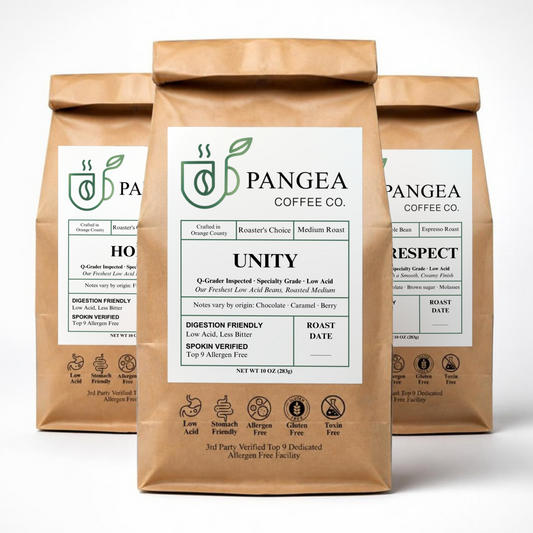
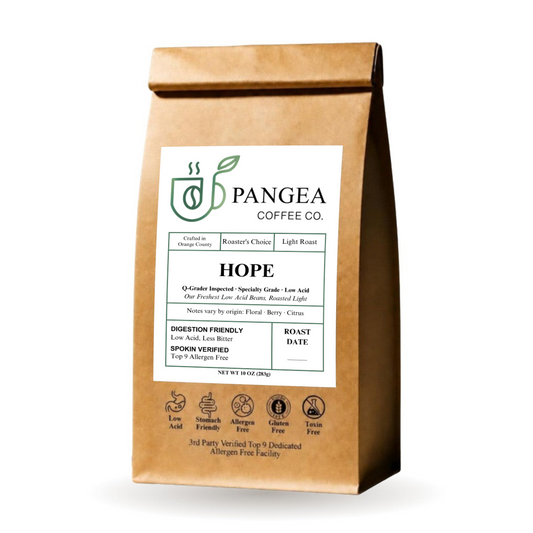
Not sure which roast profile you prefer? Our Flavor Discovery Pack includes samples of our Hope Light Roast, Unity Medium Roast, and Bold Respect Dark Roast. This allows you to experience the full range of our clean coffee offerings while discovering which profile best suits your taste preferences and brewing methods.
Start with Unity Medium Roast
Our most versatile option, Unity Medium Roast works beautifully for everything from espresso to pour-over to French press. With notes of chocolate, caramel, and subtle fruit undertones, it offers exceptional flavor while delivering the clean quality standards that make all the difference. Unity represents our commitment to bringing people together through coffee that anyone can enjoy, regardless of dietary restrictions or digestive sensitivities.
Explore Bold Respect for Espresso
For those specifically interested in espresso based on the Alzheimer's research, our Bold Respect is our dark roast built for espresso. It creates rich, bold espresso shots with low acidity that makes it accessible even to those with sensitive stomachs.
Join Our Coffee Community
Stay informed about the latest coffee research, health insights, and Pangea Coffee updates by subscribing to our restock text alerts. You'll be the first to know when new single-origin offerings become available and receive exclusive information about coffee and wellness.
The Bottom Line: Quality Determines Everything
The University of Verona's research revealing espresso's potential to inhibit Alzheimer's-related tau proteins is genuinely exciting. It adds to a growing body of evidence suggesting that coffee—consumed thoughtfully and in moderation—may offer important health benefits beyond just increased alertness and energy.
But here's what you need to remember: coffee quality fundamentally determines whether you're getting those benefits or inadvertently consuming toxins that work against your health goals. Choosing clean, specialty-grade coffee from producers who prioritize purity and transparency isn't just about better taste—it's about ensuring that your daily coffee ritual actually supports your wellness objectives rather than undermining them.
At Pangea Coffee Company, we've built our entire business around this principle. As a family dealing personally with food allergies, we understand that quality isn't negotiable. Our SPOKIN verification, on-site Q graders, allergen-free facility, and naturally low-acid processing aren't marketing gimmicks—they're essential commitments that ensure every cup meets the highest standards.
Whether you're drawn to coffee for its potential brain health benefits, its rich antioxidant content, or simply the pleasure of an exceptional cup, you deserve coffee that's as clean as it is delicious. That's exactly what we provide, cup after cup, batch after batch.
Ready to experience the difference that truly clean coffee makes? Explore our complete collection and discover why health-conscious coffee lovers and families with dietary restrictions trust Pangea Coffee for their daily ritual.
About Pangea Coffee Company
Pangea Coffee Company is a family-owned specialty coffee roaster committed to providing the cleanest, most carefully sourced coffee available. As America's first SPOKIN-verified allergen-free coffee facility, we operate a completely nut-free environment with strict cross-contamination protocols. Our naturally low-acid coffee is sensitive-stomach friendly. Every batch is evaluated by on-site Q graders to ensure exceptional quality and purity. We believe that everyone deserves access to clean, delicious coffee—regardless of dietary restrictions or digestive sensitivities.
Our Core Values: Hope, Unity, and Respect