
Is Coffee Anti-Inflammatory? The Science, the Caveats, and the Best Clean Coffee for Inflammation

The short answer: Yes, coffee is anti-inflammatory — but the type of coffee, how it’s processed, and what you add to it can flip that equation fast. This guide covers the science, the caveats, and exactly what to look for in a coffee that supports your body rather than works against it.
If you’ve typed “is coffee anti-inflammatory” or “does coffee cause inflammation” into a search bar, you’ve probably gotten conflicting answers. One article says coffee is a superfood loaded with antioxidants. The next warns it’s acidic, inflammatory, and hard on the gut.
Both can be true — depending on the coffee. The research is actually more nuanced and more interesting than most headlines let on. Let’s walk through what the science actually says, what makes certain coffees inflammatory, and what to look for if you want your morning cup working with your health goals.
Is Coffee Anti-Inflammatory? What the Science Says
The most honest answer to “is coffee anti-inflammatory” is: it depends on the person, the dose, and the coffee itself. But for most healthy adults drinking quality coffee in moderate amounts, the research leans clearly toward anti-inflammatory.
Coffee is one of the richest dietary sources of polyphenols — plant compounds that act as antioxidants in the body. The most studied of these is chlorogenic acid, which has been shown in multiple studies to reduce oxidative stress and inhibit inflammatory pathways at the cellular level.
Key Anti-Inflammatory Compounds in Coffee
- Chlorogenic acids — the primary polyphenol in coffee; reduces inflammatory markers like CRP and IL-6 in clinical studies
- Cafestol and kahweol — diterpenes with demonstrated anti-inflammatory effects in lab research
- Melanoidins — formed during roasting; act as antioxidants in the gut microbiome
- Trigonelline — a compound linked to neuroprotective and anti-inflammatory benefits
A large 2021 meta-analysis published in Nutrients found that habitual coffee consumption was associated with significantly lower levels of C-reactive protein (CRP), a primary biomarker of systemic inflammation. A separate review in Critical Reviews in Food Science and Nutrition concluded that coffee’s polyphenol content “exerts significant anti-inflammatory activity” in human subjects.
☕ Quick Answer: Black coffee, in moderate amounts (2–4 cups daily), is generally considered anti-inflammatory by the research consensus. The inflammatory problems arise from what gets added to coffee (sugary syrups, certain creamers) and how the coffee is processed (low-quality beans, mold contamination, harsh roasting).
When Does Coffee Become Inflammatory?
This is the part most “coffee is healthy” articles skip. Coffee’s anti-inflammatory potential is real — but several factors can neutralize it or reverse it entirely.
1. Mold and Mycotoxin Contamination
Low-quality coffee beans are frequently contaminated with mycotoxins — toxic compounds produced by mold that has grown on improperly stored or processed beans. Mycotoxins like ochratoxin A have pro-inflammatory effects and have been linked to gut irritation and immune dysregulation in research.
This is why sourcing and processing standards matter enormously. Coffee grown in humid conditions and stored without proper moisture control is far more likely to carry mycotoxin loads that undermine any anti-inflammatory benefit the polyphenols might offer. At Pangea, our Q graders evaluate beans on-site at origin and we source exclusively from naturally low-mold-risk regions.
2. Added Sugars and Inflammatory Creamers
A plain black cup of quality coffee? Anti-inflammatory. That same coffee with flavored syrups, refined sugar, and certain ultra-processed creamers? You’ve just added significant pro-inflammatory ingredients that override the polyphenol benefit.
If you’re drinking coffee for its anti-inflammatory properties, the additions matter as much as the bean. Black is best. If you need a creamer, prioritize options without refined sugar or artificial additives.
3. Excess Acidity and Gut Irritation
High-acid coffees can trigger gut inflammation in sensitive individuals — particularly those with GERD, gastritis, or IBS. When the gut lining is irritated, the body mounts an inflammatory response. This is often mistaken as “coffee is inflammatory” when the real culprit is perceived acidity from the wrong beans.
Naturally low-acid varieties sourced from regions like Brazil and Sumatra dramatically reduce this effect. Our guide to coffee for gastritis and ulcers covers this in depth.
4. Overconsumption
Even good-quality coffee can become pro-inflammatory at excessive doses. Research generally supports 2–4 cups daily as the sweet spot where anti-inflammatory markers are lowest. Beyond that, caffeine’s cortisol-raising effects can trigger stress-related inflammatory cascades in some individuals.
Is Espresso Anti-Inflammatory?
Yes — with some nuance. Espresso is a concentrated extraction, which means it delivers a higher density of both polyphenols and caffeine per ounce than drip coffee.
The polyphenol content in a well-pulled espresso shot is substantial. Research suggests the chlorogenic acid concentration in espresso is comparable to or exceeds that of drip coffee by volume. The anti-inflammatory case for espresso is solid, provided you’re starting with clean, low-mycotoxin beans.
The inflammatory concern with espresso typically comes down to the same factors: added sugar (looking at you, flavored lattes), creamer quality, and bean sourcing. A straight shot of clean espresso is one of the most polyphenol-dense drinks you can consume.
Can You Drink Coffee on an Anti-Inflammatory Diet?
This comes up constantly — and the answer is yes, absolutely. Black coffee is consistently included in major anti-inflammatory diet frameworks, including the Mediterranean diet and the MIND diet, both of which have strong clinical evidence behind them.
The caveat is the same one we keep returning to: the quality of the coffee and what you add to it. If you’re following an anti-inflammatory diet for a specific health condition, here’s the practical guidance:
- Drink black, or use a creamer without refined sugars or inflammatory oils
- Choose low-acid beans if you have a sensitive stomach or gut condition
- Prioritize sourcing: organic, single-origin beans from reputable small-batch roasters carry lower mycotoxin risk
- Stay at 2–4 cups daily
- If caffeine affects your cortisol or sleep (which in turn drives inflammation), consider a clean decaf option
What Makes Pangea Coffee Different for Anti-Inflammatory Goals
Most coffee brands can’t tell you much about their beans’ sourcing, processing, or allergen safety. We can — because we built Pangea specifically to address those gaps. Our family started this company because our own kids deal with severe food allergies. Clean, safe, transparent coffee isn’t a marketing angle. It’s personal.
Here’s what makes our coffee specifically supportive for anti-inflammatory goals:
Naturally Low-Acid Sourcing
We source exclusively from naturally low-acid growing regions — Brazil, Sumatra, Guatemala, and Mexico. Lower perceived acidity means less gut irritation, which means less inflammation from the gut-up. Our Q graders taste-test every lot aggressively for perceived acidity before it ever reaches you.
SPOKIN-Verified Allergen-Free Facility
We’re one of the first coffee companies in the country to earn SPOKIN third-party allergen-free verification. Our facility is completely free of all Top-9 allergens with zero cross-contamination risk. For customers with food sensitivities, allergen exposure is a well-documented inflammatory trigger — this matters.
Small-Batch Roasting, Same-Day Weekday Shipping
Freshness directly impacts the polyphenol content of your coffee. Oxidation degrades chlorogenic acids over time. We roast in small batches and ship the same weekday so you’re getting maximum polyphenol density, not warehouse-aged coffee sitting in a bag for months.
Gastroenterologist Endorsed

Our Anti-Inflammatory Coffee Picks
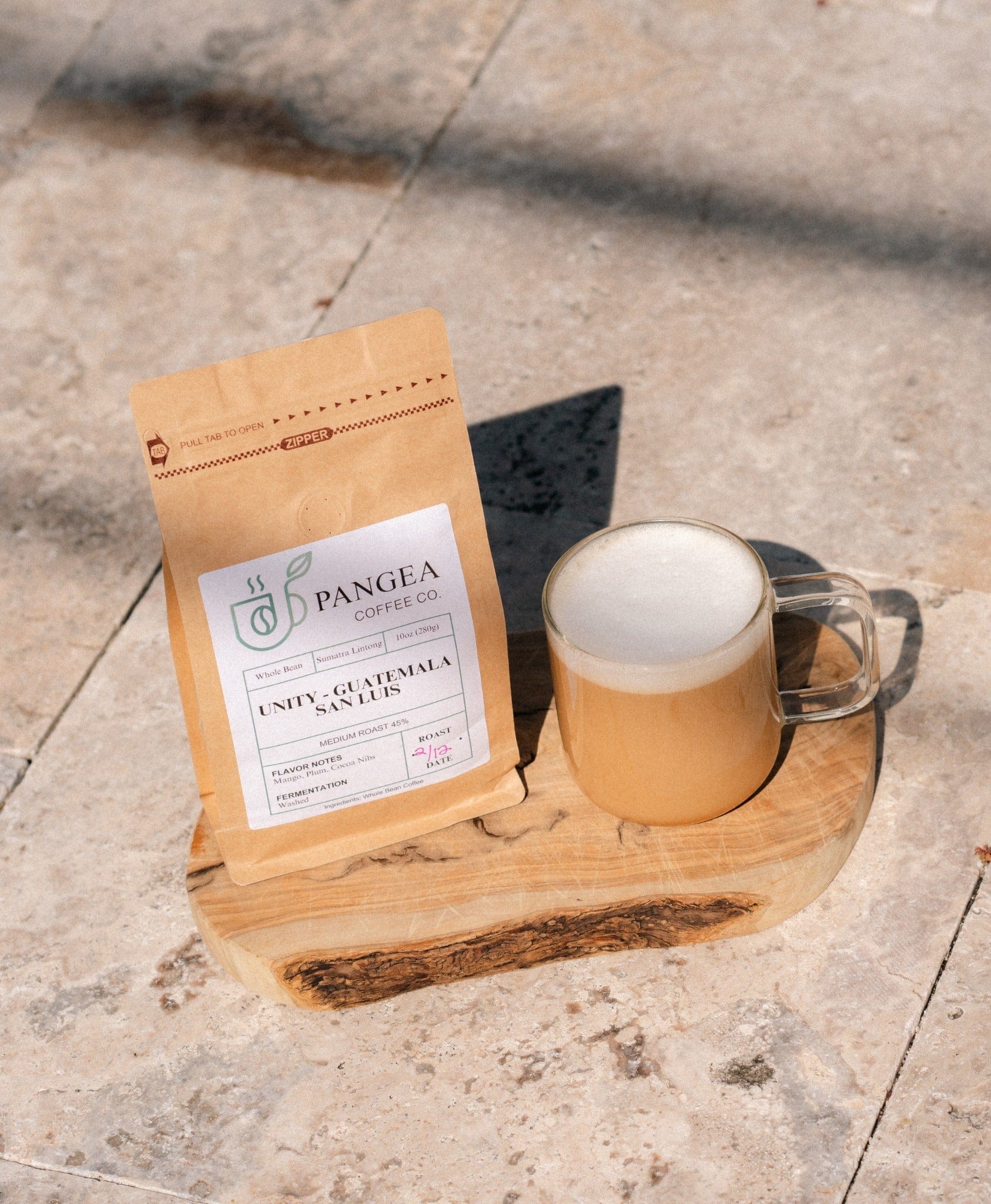
☕ Unity Medium Roast — Our most popular. Smooth, balanced, naturally low-acid. Ideal for everyday anti-inflammatory drinking. Shop Unity →
☕ Bold Respect Espresso — A deep, rich dark roast with high polyphenol density. If you love espresso, this is the clean-sourced version your inflammation markers will thank you for. Shop Bold Respect →
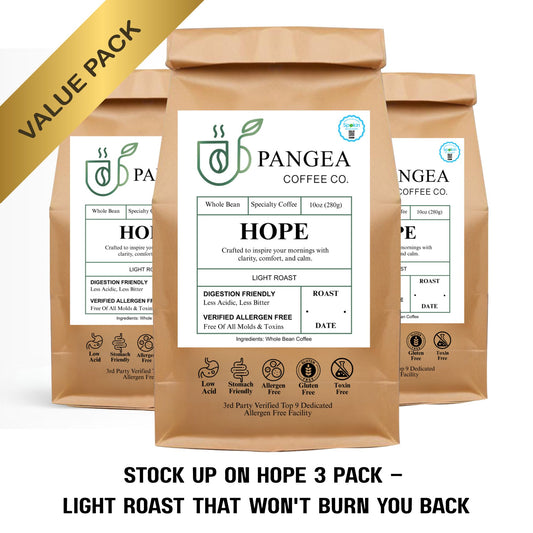
☕ Hope Guatemala Light Roast — Light roasts retain the highest chlorogenic acid content of any roast level. For maximum anti-inflammatory polyphenols, Hope is your cup. Shop Hope →
☕ Sugarcane EA Decaf — Caffeine-sensitive? Our decaf uses a chemical-free natural sugarcane ethyl acetate process — no harsh solvents. Same SPOKIN-verified allergen-free standard. Same low-acid sourcing. Anti-inflammatory polyphenols fully intact. Shop Decaf →
☕ Not sure where to start? Try our Flavor Discovery Pack → — sample all our roasts and find your favorite clean cup.
Is Decaf Coffee Anti-Inflammatory?
Yes — and this surprises many people. The anti-inflammatory compounds in coffee — chlorogenic acids, polyphenols, melanoidins — are largely independent of caffeine. Decaffeination removes the caffeine molecule, not the beneficial compounds.
Multiple studies have shown that decaf coffee produces similar reductions in CRP and other inflammatory biomarkers as caffeinated coffee. This means if you’re cutting back on caffeine for any reason, you don’t have to sacrifice the anti-inflammatory benefit.
The critical caveat: decaf process matters. Chemically processed decaf using methylene chloride or acetone solvents introduces its own inflammatory compounds. Our Sugarcane EA Decaf uses a natural, chemical-free process that preserves both polyphenols and peace of mind.
Anti-Inflammatory Coffee Recipes (Allergen-Safe)
Want to amplify coffee’s anti-inflammatory properties? These add-ins have strong evidence behind them — and all are allergen-safe to add to your cup. Note: always check labels if you have specific sensitivities, and avoid any additions you know trigger your individual reactions.
Golden Coffee (Turmeric + Black Pepper)
Turmeric contains curcumin, one of the most studied anti-inflammatory compounds in food. Black pepper activates curcumin absorption by up to 2,000%. Add a pinch of each to your brewed coffee for a seriously anti-inflammatory cup. Coconut oil is a popular add-in here — note: while the FDA updated its classification of coconut in 2025, coconut allergies remain real. If you have any tree nut or tropical fruit sensitivity, check with your allergist before adding coconut to any product.
Cinnamon Coffee
Ceylon cinnamon (not cassia) has demonstrated anti-inflammatory and blood sugar stabilizing properties in clinical research. Add 1/4 teaspoon to your coffee grounds before brewing. It pairs exceptionally well with our Unity Medium Roast.
Anti-Inflammatory Iced Coffee
Brew Hope Guatemala Light Roast double-strength and pour over ice. Add a pinch of cinnamon and a small amount of raw honey (anti-inflammatory in its own right). Honey adds natural sweetness without the spike from refined sugar. This is one of our favorite summer rituals at the Pangea household.
What Our Customers Say
★★★★★
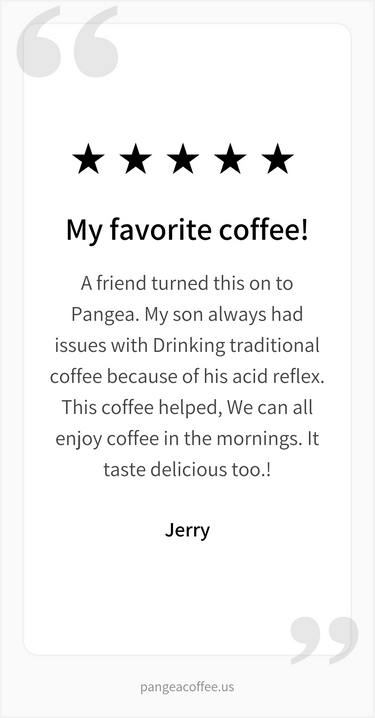
“I have REALLY bad GERD and acid reflux. This unity roast does not bother me at all. I also have severe food allergies to nuts and shrimp and drink this safely.”
Alison K. — Verified Purchase
★★★★★
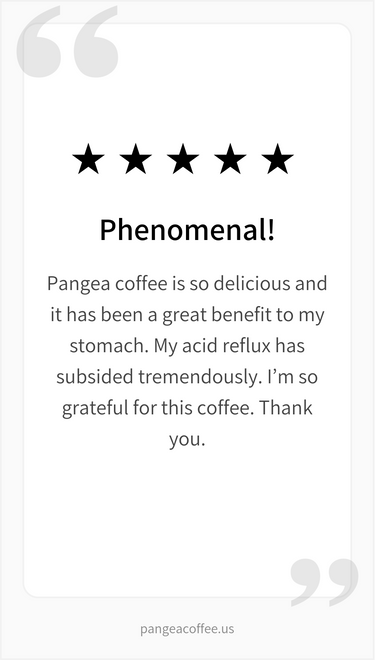
“Delicious coffee that goes down easy. I have to be very careful with my stomach, and I am delighted that I can still drink this coffee.”
Drea — Verified Purchase
★★★★★
“The Costa Rica Hope is so smooth and highlighted the notes are well rounded and very enjoyable cup of coffee.”
Daniel C. — Verified Purchase
Frequently Asked Questions
Is coffee anti-inflammatory or inflammatory?
For most adults, black coffee consumed in moderate amounts (2–4 cups daily) is anti-inflammatory. It contains chlorogenic acids, polyphenols, and melanoidins that reduce key inflammatory markers including C-reactive protein (CRP) and interleukin-6 (IL-6). Coffee becomes pro-inflammatory when it’s loaded with added sugars, consumed excessively, or sourced from low-quality beans with mycotoxin contamination.
Does coffee reduce inflammation in the body?
Yes — multiple large studies have found that regular coffee consumption is associated with lower levels of systemic inflammatory biomarkers, particularly CRP. The effect is attributed primarily to coffee’s high polyphenol content, especially chlorogenic acids. Decaf coffee shows similar anti-inflammatory effects, confirming that caffeine isn’t the active compound responsible.
Can you drink coffee on an anti-inflammatory diet?
Yes. Black coffee is included in most major anti-inflammatory dietary frameworks, including the Mediterranean and MIND diets. The key is keeping it black or adding only clean, low-sugar options. Avoid flavored syrups, refined sugar, and ultra-processed creamers, which introduce pro-inflammatory compounds that offset coffee’s natural benefits.
Is espresso anti-inflammatory?
Yes. Espresso is a concentrated extraction that delivers high polyphenol density per ounce. A well-sourced espresso shot contains substantial chlorogenic acids. The anti-inflammatory case for espresso is strong, provided you’re using clean-sourced beans without mycotoxin contamination and keeping additions minimal.
Is decaf coffee anti-inflammatory?
Yes. The anti-inflammatory compounds in coffee — chlorogenic acids, polyphenols, melanoidins — are largely preserved through the decaffeination process. Studies show decaf coffee produces similar reductions in inflammatory biomarkers as regular coffee. For those reducing caffeine due to anxiety, sleep issues, or heart sensitivity, decaf is a viable anti-inflammatory option. Choose chemical-free decaffeination methods (sugarcane EA or Swiss water) to avoid introducing solvent residues.
Does coffee cause gut inflammation?
High-acid coffee can irritate the gut lining in sensitive individuals, triggering a local inflammatory response. This is especially relevant for people with GERD, IBS, or gastritis. Naturally low-acid coffee sourced from regions like Brazil and Sumatra significantly reduces this risk. Mycotoxin contamination in low-quality coffee is another gut-inflammation trigger. Clean, low-acid coffee is far less likely to cause gut inflammation than standard commodity coffee.
What is the best coffee for inflammation?
The best anti-inflammatory coffee is: (1) sourced from naturally low-acid regions, (2) free from mycotoxin contamination, (3) roasted fresh in small batches to preserve polyphenols, and (4) consumed black or with minimal clean additions. Light roasts generally retain the highest chlorogenic acid content. Our Hope Guatemala Light Roast and Unity Medium Roast are both excellent options.
Does black coffee cause inflammation?
Black coffee from quality beans does not typically cause inflammation — in fact, the research consistently shows the opposite. Black coffee is associated with lower inflammatory markers in clinical studies. The inflammatory reputation of coffee usually stems from additives (sugar, syrups, low-quality creamers) or from low-quality beans with mycotoxin contamination — not from clean black coffee itself.
What can I drink to reduce inflammation?
Quality black coffee, green tea, turmeric-ginger tea, tart cherry juice, and bone broth are among the most evidence-backed anti-inflammatory beverages. Coffee stands out because it’s the most consumed anti-inflammatory beverage globally and has the most extensive research base behind it. For coffee specifically, choosing low-acid, clean-sourced varieties maximizes the anti-inflammatory benefit while minimizing gut irritation risk.
Ready to Make the Switch to Clean, Anti-Inflammatory Coffee?
SPOKIN-verified allergen-free • Naturally low-acid sourcing • Small-batch roasted • Same-day weekday shipping
Shop Anti-Inflammatory Coffee →Not sure which roast? Try the Discovery Pack →
Related Articles
Medical Disclaimer: The information in this article is for educational purposes only and is not intended as medical advice. If you have a chronic inflammatory condition, GERD, food allergies, or any other health concern, please consult your physician or a registered dietitian before making changes to your diet. Individual responses to coffee vary.
Scientific References:
- Poole R, et al. “Coffee consumption and health: umbrella review of meta-analyses of multiple health outcomes.” BMJ. 2017. bmj.com/content/359/bmj.j5024
- Koloverou E, et al. “Coffee consumption and inflammatory markers: a systematic review and meta-analysis.” Nutrients. 2021. ncbi.nlm.nih.gov/pmc/articles/PMC7912121/
- Cano-Marquina A, et al. “The impact of coffee on health.” Maturitas. 2013. pubmed.ncbi.nlm.nih.gov/23462053/
- Grosso G, et al. “Coffee, caffeine, and health outcomes: an umbrella review.” Annual Review of Nutrition. 2017. pubmed.ncbi.nlm.nih.gov/28826374/
- Tajik N, et al. “The potential effects of chlorogenic acid, the main phenolic components in coffee, on health: a comprehensive review.” European Journal of Nutrition. 2017. pubmed.ncbi.nlm.nih.gov/28391515/
Quality Assurance: Pangea Coffee is SPOKIN-verified allergen-free, sourced from naturally low-acid growing regions, and roasted in small batches with same-day weekday shipping. All health claims in this article are supported by cited peer-reviewed research.
Last updated: March 2026