Coffee and Gastritis or Ulcers: What Helps, What Hurts (Doctor-Backed)

If you have gastritis or a peptic ulcer, the thought of giving up coffee entirely feels unbearable. But the burning pain, nausea, and digestive distress make every cup a gamble. The good news: for many people, the issue isn't coffee itself—it's the kind of coffee.
Can you drink coffee with gastritis? For many people, yes—once a flare has settled and a doctor agrees. The keys are choosing a low-acid, mold-free coffee, never drinking it on an empty stomach, and reintroducing it slowly in small amounts. During an active flare or ulcer bleed, coffee should be paused entirely.
Gastritis and peptic ulcers affect millions of people, causing inflammation or erosion of the stomach and duodenal lining. Low-acid coffee for gastritis isn't just a marketing phrase—the quality and acidity of your coffee can matter more than whether you drink it at all. While traditional advice has been to avoid coffee entirely, modern research paints a more nuanced picture.
Understanding Gastritis and Peptic Ulcers: The Coffee Connection
Before exploring coffee solutions, it helps to understand what's happening in your stomach. Gastritis is inflammation of the stomach lining, while peptic ulcers are open sores that develop in the stomach (gastric ulcers) or small intestine (duodenal ulcers).
According to clinical nutrition research, roughly 95% of duodenal ulcers and 85% of gastric ulcers are linked to Helicobacter pylori (H. pylori) infection or chronic use of nonsteroidal anti-inflammatory drugs (NSAIDs)—not coffee.
Why Traditional Coffee Triggers Symptoms
Regular coffee—even decaffeinated—stimulates gastric acid production. Clinical references note that coffee contains acids and oils that can irritate the gastric lining, potentially worsening nausea, burning pain, and heartburn.
Here's the problem: most commercial coffee is processed in ways that maximize acidity. High-acid beans, aggressive roasting, and exposure to mold and mycotoxins create a perfect storm of stomach irritation.
Important distinction: Gastritis and peptic ulcers are different conditions than GERD (gastroesophageal reflux disease). GERD involves acid flowing back into the esophagus; gastritis and ulcers involve direct irritation of the stomach or intestinal lining. So the dietary approach focuses on reducing mucosal irritation, not just managing reflux.
Coffee and Gastritis: What Helps vs. What Hurts
What helps
- Low-acid, mold-free beans from naturally low-acid regions
- Medium to medium-dark roast (smoother, fewer sharp acids)
- Drinking after food, never on an empty stomach
- Small servings (4–6 oz) reintroduced gradually
- Paper-filtered or cold-brew preparation
What hurts
- High-acid, cheaply processed commercial coffee
- Coffee during an active flare or ulcer bleed
- Drinking on an empty stomach or late in the day
- Large, full-strength cups all at once
- French press or espresso during a healing phase (more oils)
What About H. Pylori? Can You Still Drink Coffee?
H. pylori is the most common cause of gastritis and peptic ulcers worldwide. If you've been diagnosed with an H. pylori infection, coffee deserves extra caution—but it doesn't have to mean permanent abstinence.
During active H. pylori treatment: Avoid coffee for the first 2–3 weeks of antibiotic therapy. Your stomach lining is actively recovering, and even low-acid coffee can slow that process during this window.
After confirmed eradication: Once your follow-up test confirms H. pylori is cleared and symptoms have resolved, low-acid coffee can be cautiously reintroduced. Start small (4 oz after a meal), monitor for 24 hours, and increase gradually. For a deeper look at the research, see our dedicated guide: H. Pylori and Coffee: What the Research Actually Shows.
Can You Drink Coffee With Gastritis or an Ulcer?
The short answer: it depends on the severity of your condition and the quality of your coffee.
According to nutritional care guidelines for peptic ulcer patients, coffee—even decaffeinated—increases gastric acid production and can irritate the mucosa. That's why bland diets for gastritis typically recommend pausing coffee during active flare-ups.
However, research also shows that blanket restrictions like avoiding all coffee haven't held up well in controlled studies. The key is individualization: what triggers severe symptoms for one person may be tolerable for another.
When to Avoid Coffee Completely
🚫 Active Ulcer Bleeding If you've experienced bleeding from an ulcer or have acute gastritis, your doctor will likely recommend pausing coffee completely until you've recovered—typically 4–6 weeks with proper treatment.
⚠️ Severe Symptom Flare-Ups During intense pain, nausea, or vomiting, your stomach needs rest. Stick to the bland diet your provider recommends and postpone coffee until symptoms stabilize.
📋 Early H. Pylori Treatment If you're on antibiotic treatment for H. pylori, avoid coffee for the first 2–3 weeks to give your stomach lining time to settle.
When Low-Acid Coffee May Be Tolerable
Once your symptoms are controlled and your healthcare provider gives the green light, low-acid coffee may be reintroduced cautiously. The key is choosing coffee designed to minimize gastric irritation in the first place.
What Makes Coffee “Low-Acid” and Why It Matters
Not all “low-acid” coffee is created equal. True low-acid coffee requires attention at every stage—from soil to cup.
🌍 Origin Matters
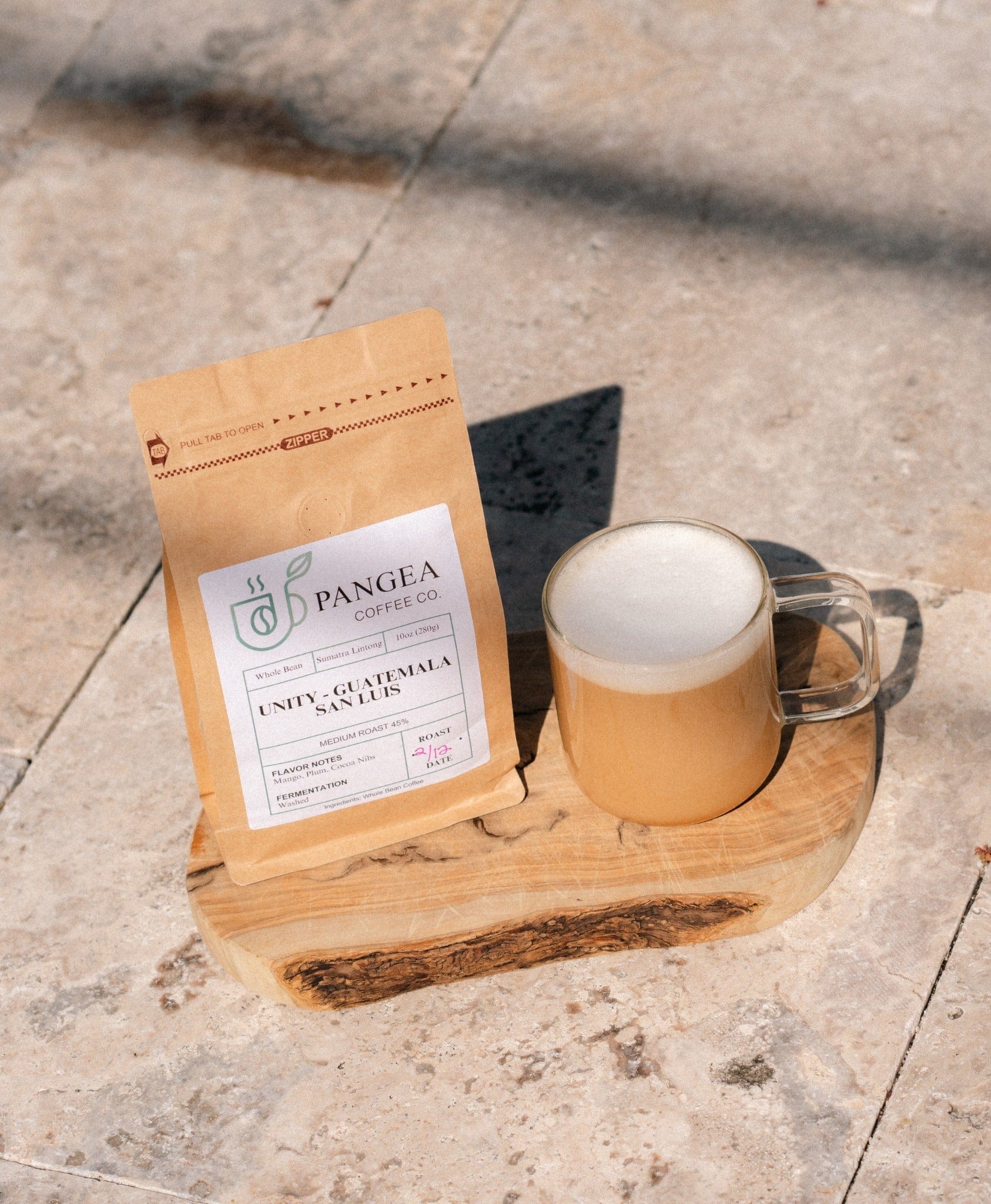
Coffee grown at lower altitudes in volcanic soil tends to have lower perceived acidity. Regions like Brazil, Sumatra, and parts of Central America are known for smooth, low-acid varieties. At Pangea Coffee Co., we source from these specific regions and aggressively taste-test for perceived acidity.
☕ Roast Level
Darker roasts break down more of the chlorogenic acids responsible for perceived acidity, creating a smoother, less irritating cup. But over-roasting introduces bitter compounds that can also trigger discomfort. The sweet spot is a medium to medium-dark roast that balances smoothness with flavor.
🔬 Mold-Free Matters
This is where a lot of commercial coffee falls short for people with sensitive stomachs. A 2023 worldwide meta-analysis estimated that ochratoxin A—a common mold toxin—is present in roughly 38% of green coffee beans worldwide. Mold and its byproducts can add to the irritation an inflamed stomach is already dealing with.
That's why sourcing and process matter. Pangea Coffee Co. has Q-graders on staff who inspect our coffee at our facility—and sometimes at the source—and we source from regions known for cleaner, naturally low-acid beans. It's our family's commitment to clean coffee you can feel good about.
Why SPOKIN verification matters: We're the first SPOKIN-verified allergen-free coffee company in America. This third-party verification confirms our facility is free from the Top 9 allergens—important for anyone whose gastritis or ulcers are complicated by food sensitivities.

The Pangea Difference: Coffee Made for Sensitive, Recovering Stomachs
Our family understands digestive challenges firsthand. Our kids have severe food allergies, which drove us to build a coffee facility that prioritizes gentleness and allergen safety above all else.
Our Recommended Coffees for Gastritis & Ulcers
For mild to moderate sensitivity: Unity Medium Roast offers balanced flavor with naturally low acidity. It's our most popular choice for people managing digestive conditions.
For higher sensitivity: Bold Respect Dark Roast uses extended roasting to break down acidic compounds, creating our smoothest, gentlest cup.
For caffeine-sensitive individuals: Pangea Decaf uses a naturally derived Sugarcane EA process (not harsh chemical solvents) for the same mold-free, low-acid, SPOKIN-verified quality—without the caffeine. Read our complete decaf guide for GERD and acid reflux.
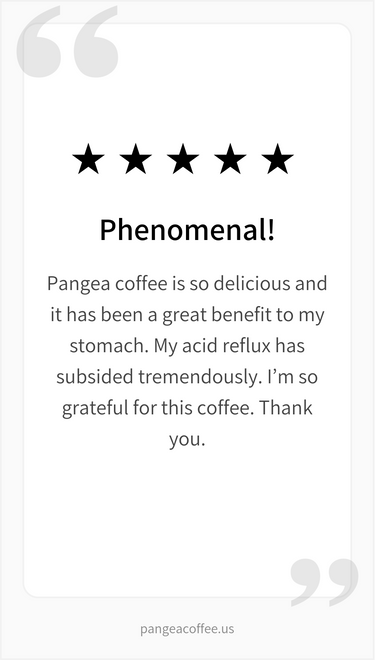
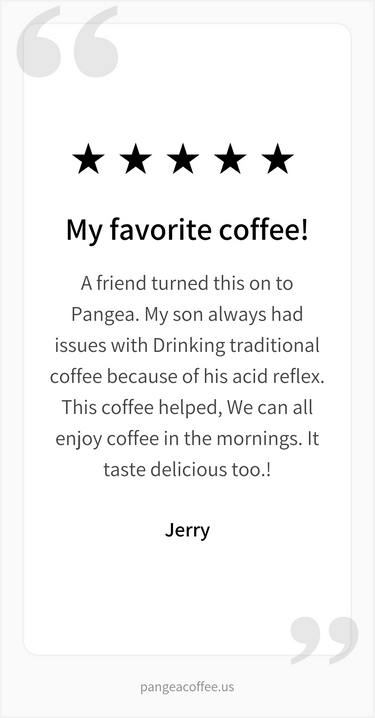
“I have REALLY bad GERD and acid reflux. This unity roast does not bother me at all. I also have severe food allergies to nuts and shrimp and drink this safely.”
— Alison K., Verified Buyer
“Delicious coffee that goes down easy. I have to be very careful with my stomach, and I am delighted that I can still drink this coffee.”
— Drea, Verified Buyer
“The Costa Rica Hope is so smooth and the notes are well rounded—a very enjoyable cup of coffee.”
— Daniel C., Verified Buyer
Gentle Coffee Strategies for Gastritis and Ulcer Patients
If your healthcare provider gives the okay to reintroduce coffee, these evidence-informed strategies can help minimize symptoms:
1. Never drink coffee on an empty stomach. Per MedlinePlus guidance, food buffers acid production. Eat a bland breakfast (oatmeal, banana, toast) before your first sip.
2. Try cold brew. Many people find cold-brewed coffee tastes smoother and gentler than hot-brewed. The slow, cold extraction pulls fewer bitter and irritating compounds, and you can warm cold-brew concentrate with hot water for a gentle warm cup.
3. Use paper filters. Paper-filtered drip coffee removes oils (cafestol and kahweol) that stimulate gastric acid. Avoid French press, espresso, or metal filters during healing phases.
4. Dilute your coffee. Cut full-strength coffee with hot water (Americano-style) to reduce concentration and buffer acidity.
5. Start with one small cup. Begin with 4–6 oz and monitor symptoms for 24 hours before increasing. Some people eventually tolerate 8–12 oz daily; others do best with occasional small servings.
6. Time it right. Drink coffee mid-morning after breakfast, not late afternoon or evening. Lying down within 2 hours of coffee can worsen symptoms.
7. Keep a symptom diary. Track what you drink, when, and any symptoms that follow. This helps identify your personal tolerance threshold and triggers.
Foods That Soothe the Stomach (And Pair Well With Coffee)
According to nutritional guidelines for ulcer patients, certain bland, low-acid foods help buffer stomach acid and are gentle on the lining:
🌾 Oatmeal Soluble fiber absorbs stomach acid and creates a soothing coating. Steel-cut oats with a side of low-acid coffee makes an easy, gentle breakfast.
🍌 Bananas Rich in pectin and resistant starch, bananas help coat the stomach lining. Pair your morning coffee with a banana.
🥔 Root Vegetables Potatoes, sweet potatoes, and carrots are bland, low-acid foods that provide steady energy without triggering symptoms.
🍵 Ginger & Chamomile Naturally caffeine-free and traditionally used to settle the stomach—a calming choice on days coffee feels like too much.
Frequently Asked Questions
Beyond Coffee: Lifestyle Factors That Support Recovery
Coffee choices are just one piece of gastritis and ulcer management. According to medical guidance, these changes can help:
Reduce NSAIDs. Aspirin, ibuprofen, and naproxen can directly irritate the stomach lining. If you need pain relief, ask your doctor about alternatives like acetaminophen.
Quit smoking. Smoking reduces protective mucus and bicarbonate secretion and can slow recovery.
Limit alcohol. Alcohol erodes the protective mucus layer and increases acid production. Avoid it during active treatment.
Manage stress. While stress doesn't cause ulcers, it can increase acid production and worsen symptoms. Meditation, gentle movement, and regular sleep help.
Eat smaller, more frequent meals. Large meals trigger more acid. Try 5–6 small meals daily instead of 3 large ones.
The Pangea Promise: Gentle Coffee for Sensitive Stomachs
We didn't start Pangea Coffee Co. just to sell more coffee. We started it because our children's severe food allergies forced us to rethink what “safe” food really means. That journey led us to become the first SPOKIN-verified allergen-free coffee company in America—and along the way, we found that clean, low-acid coffee could make a real difference for people with gastritis, ulcers, and sensitive stomachs.
Every batch is inspected by our on-site Q-graders. We source from regions known for naturally low-acid beans, and we never compromise on quality to save costs. Because when you're managing something as uncomfortable as gastritis or ulcers, you deserve coffee that works with your body, not against it.
Ready to reclaim your coffee ritual without the discomfort?
Try Unity Medium Roast →Trusted by thousands with sensitive stomachs and digestive conditions
Your stomach deserves a gentler cup.
Your mornings deserve comfort, not compromise.
Medical Disclaimer: This article is for informational and educational purposes only and is not medical advice. Gastritis and peptic ulcers are serious conditions that require diagnosis and treatment by a qualified healthcare provider. Nothing here should be used to diagnose or treat any condition or replace professional medical advice.
If you have been diagnosed with gastritis, peptic ulcers, or any digestive disorder, consult your physician or gastroenterologist before making dietary changes, including reintroducing coffee. Individual tolerance varies significantly. Never disregard professional medical advice or delay seeking it because of something you have read here.
References
- StatPearls (NCBI Bookshelf). Gastritis. ncbi.nlm.nih.gov/sites/books/NBK538500
- Physicians Committee for Responsible Medicine. Nutrition Guide for Clinicians: Gastritis and Peptic Ulcer Disease. nutritionguide.pcrm.org
- Nutritional care of peptic ulcer patients (PMC4743227). pmc.ncbi.nlm.nih.gov/articles/PMC4743227
- Prevalence and concentration of ochratoxin A in green coffee—worldwide systematic review & meta-analysis (2023). ScienceDirect
- MedlinePlus. Peptic ulcer — discharge. medlineplus.gov
- Drugs.com. Diet for Stomach Ulcers and Gastritis. drugs.com
- Medical News Today. Gastritis and ulcer management. medicalnewstoday.com
Related Reading
Quality Assurance: Every Pangea coffee is sourced from naturally low-acid regions, inspected by Q-graders on staff at our facility — and sometimes at the source — and verified allergen-free through SPOKIN. We strive for same-day weekday shipping so your coffee arrives fresh.
Last updated: June 2026