



Espresso vs Drip Coffee: Caffeine, Taste and Acidity

You typed "espresso vs drip coffee" because the two look nothing alike and nobody will give you a straight answer on which is stronger. Here it is: a single shot of espresso has less caffeine than a mug of drip coffee, but far more caffeine per ounce. Espresso is a concentrate; drip is a long cup. Everything else, from taste to price per cup, follows from that one fact.
I roast one coffee for each side of this question, so I taste the difference every morning. This guide covers the caffeine numbers, why the same bean tastes different in each brewer, what "espresso beans" actually means, and how to pick a method for the way you drink coffee.
Quick answer: An espresso shot (1 oz) carries about 60–75 mg of caffeine. An 8 oz cup of drip carries about 80–120 mg. Per ounce, espresso has roughly five times more; per serving, drip usually has more. Espresso tastes heavier and sweeter because pressure pulls oils and fine solids into the cup; drip tastes cleaner because a paper filter holds those back.
Which has more caffeine, espresso or drip coffee?
Per serving, drip wins. Per ounce, espresso wins by a wide margin. The reason is simple: espresso uses about 18 g of coffee for a 36 g drink, while drip uses about 15 g of coffee for a 240 g cup. Espresso extracts more caffeine from less coffee in less time, then stops.
| Drink | Coffee used | Typical size | Caffeine, about | Per ounce |
|---|---|---|---|---|
| Single espresso | 7–9 g | 1 oz (30 ml) | 60–75 mg | 60–75 mg |
| Double espresso | 16–20 g | 2 oz (60 ml) | 120–150 mg | 60–75 mg |
| Drip coffee, 8 oz | 14–16 g | 8 oz (240 ml) | 80–120 mg | 10–15 mg |
| Drip coffee, 12 oz | 21–24 g | 12 oz (355 ml) | 120–180 mg | 10–15 mg |
Those ranges are wide on purpose. Roast level, grind, water temperature and brew time all move the number, and a dark roast carries slightly less caffeine by weight than a light one because the bean loses mass in the roaster. If you measure by the scoop instead of the gram, a dark roast scoop holds fewer grams too.

Why does espresso taste so different from drip?
Same bean, two brewers, two cups. Espresso forces water through a tight puck of fine grounds at about nine bars of pressure for 25 to 30 seconds. That pressure emulsifies the coffee's oils into the drink and carries fine particles through the metal basket. You taste body, sweetness and a layer of crema on top.
Drip pours water over a coarser bed by gravity for four to six minutes, usually through a paper filter. The filter traps the oils and the fines, so the cup is lighter, clearer and shows the bean's origin character more plainly: the floral notes in a light roast, the cocoa in a medium.
Neither method is "stronger" in flavor terms. Espresso is more intense per sip; drip is more transparent. If you want to understand what a coffee really tastes like, drip or pour-over shows you more. If you want it concentrated and rich, espresso does that.

Is espresso more acidic than drip coffee?
In the cup, usually less. "Acidity" in coffee tasting means brightness, the lively quality that reads as citrus or apple, and it shows most in long, filtered brews of light roasts. Espresso's short contact time and heavier body round that brightness off, and espresso blends are often roasted darker, which lowers perceived acidity again.
Two things push espresso the other way. A shot pulled too short or with grounds too coarse tastes sour, which people describe as acidic. And a shot is concentrated, so whatever character the bean has arrives all at once. Grind a little finer or let the shot run a few seconds longer and that sourness drops away. The Brewing Guide's dial-in notes by roast walk through the adjustment.
If a smoother cup is the goal, the bean matters more than the brewer. A low-acid medium or dark roast is gentle in either machine; a bright light roast will be bright in both.
What are "espresso beans"? Can you use them for drip?
There is no espresso plant. "Espresso beans" are ordinary coffee beans that a roaster chose and roasted with espresso in mind: usually a medium-dark to dark roast, often a blend built for body and chocolate sweetness, because those qualities hold up under pressure and in milk.
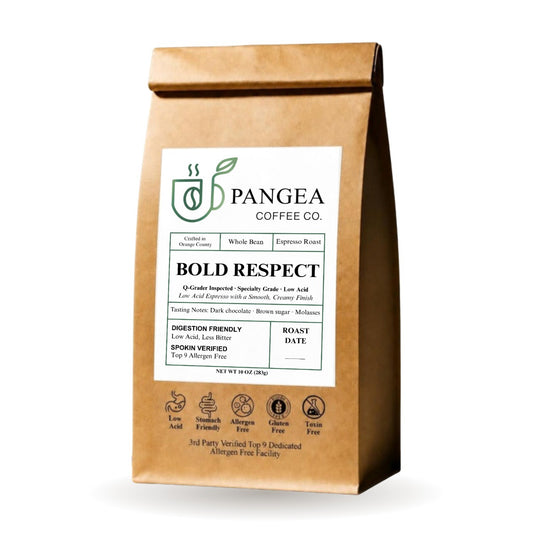
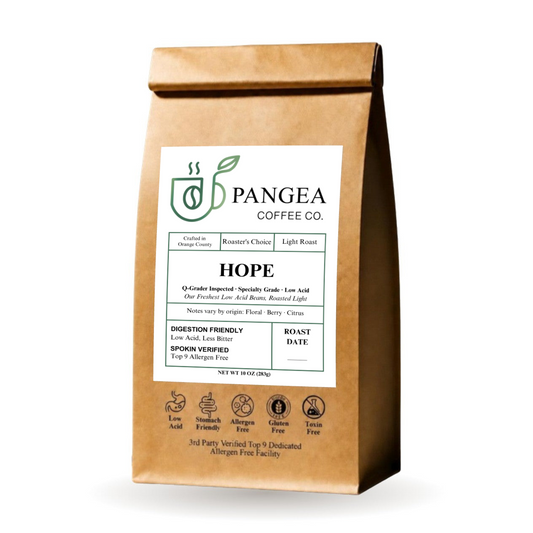
You can brew them any way you like. Our Bold Respect is labelled an espresso roast and a good share of customers brew it in a drip machine every morning. It makes a heavier, cocoa-forward drip cup. Going the other way works too: a light roast like Hope pulls a bright, tea-like shot that some people love and some find sharp.
The one real difference is the grind. Espresso needs a fine, even grind that a blade grinder cannot produce. A burr grinder is the single purchase that improves espresso most, and it improves drip as well.
Espresso vs drip: cost, time and equipment
Drip is the cheaper habit. A good drip machine costs less than an entry-level espresso machine and a grinder together, a drip brew takes five minutes of mostly waiting, and 10 oz of whole bean coffee makes about 20 cups. Espresso uses more coffee per drink (18 g for a double against 15 g for a mug of drip) and asks for a few minutes of attention per shot.
- You drink one or two mugs over a slow morning: drip or pour-over. Brew into a carafe, not onto a hot plate, and it stays good for 20 minutes.
- You want a short, rich drink, or you make lattes: espresso. Budget for the grinder first.
- You want espresso taste without the machine: a moka pot gets you most of the way for the price of a kettle.
- You cannot decide: buy one bag of a medium roast and brew it both ways for a week. The method that disappears into your routine is the right one.
Where Pangea fits
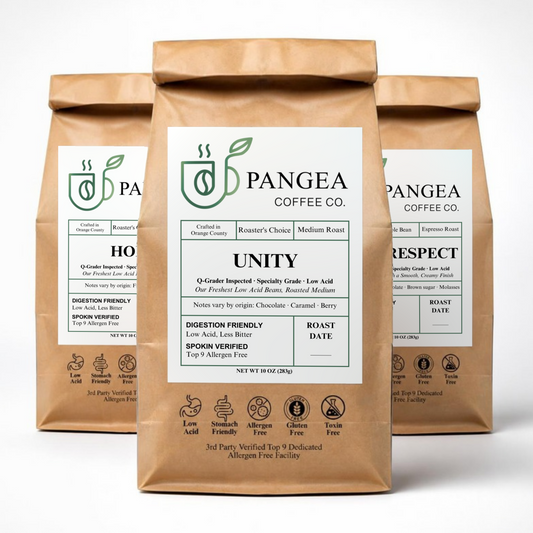
We roast three coffees that sit at the three points of this comparison. Bold Respect is our espresso roast: chocolate and caramel, rich body, smooth finish, and it brews a deep drip cup too. Unity is the medium roast that works in any brewer. Hope is the light roast for pour-over and drip. All three are low-acid, mold-free and roasted fresh weekly in small batches, with the roast date printed on every bag.
Frequently asked questions
Is one shot of espresso equal to one cup of coffee?
Not in caffeine. A single shot has about 60–75 mg; an 8 oz cup of drip has about 80–120 mg. A double shot comes closer to a mug of drip. Where they are equal is in the amount of coffee used: a double shot and an 8 oz drip both start from roughly 15–18 g of beans.
Can I make espresso in a drip coffee maker?
No. A drip machine has no pressure, so it cannot make espresso. You can brew espresso-roast beans in it, and you will get a strong, dark drip coffee. For an espresso-like concentrate without a machine, a moka pot or an AeroPress is the closest substitute.
Why does my espresso taste sour but my drip tastes fine?
Sourness in espresso nearly every time means under-extraction: the grind is too coarse, the shot ran too fast, or the water was too cool. Drip is more forgiving because the water stays in contact with the grounds for minutes rather than seconds. Grind finer, aim for 25–30 seconds for a double, and the sourness usually goes.
Is drip coffee just watered-down espresso?
No. Drip is brewed at a different ratio with a paper filter, so it contains less oil and fewer fine particles than espresso diluted with water (that drink is an americano). Side by side, an americano tastes heavier and rounder; drip tastes cleaner and shows more of the bean's origin flavors.
Related reading
If espresso is your method, our guide to low acid espresso beans covers roast, grind and what to look for on the bag. To understand why a paper filter changes the cup so much, read filtered vs unfiltered coffee. And if you are choosing between our two most popular roasts, Unity vs Bold Respect puts them side by side.