

The 2026 Guide to Mold-Free & Clean Coffee: How Pangea Ensures Purity
Discover why mold-free coffee matters in 2026, how mycotoxins form in poorly processed beans, and why Pangea Coffee's allergen-free, specialty-grade approach delivers naturally clean coffee without expensive certifications or marketing hype.

Why Mold-Free Coffee Matters More Than Ever in 2026
Mold-free coffee isn't just a wellness buzzword—it's a legitimate health concern as consumers learn about mycotoxins, poor storage practices, old beans, and cross-contamination risks lurking in global coffee supply chains. The coffee industry has a dirty secret: inferior processing, extended storage, and non-specialty-grade beans create conditions where mold thrives.
But here's the truth most brands won't tell you: you don't need expensive "mold-free certifications" when your roasting process is already built on purity, freshness, and allergen-free protocols.
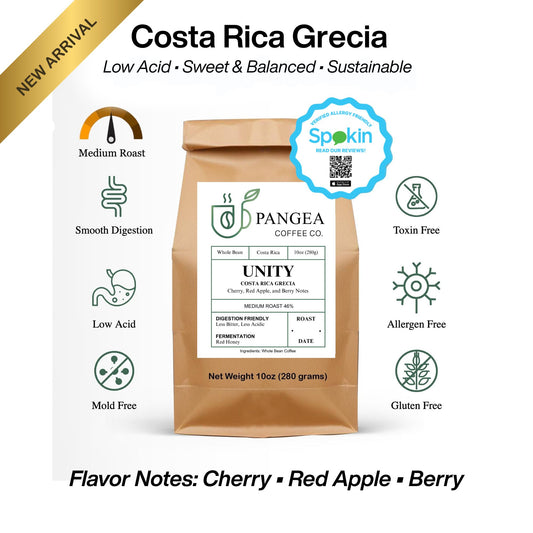
At Pangea Coffee, we've been committed to clean, mold-aware coffee long before it became a trend. Our beans are SPOKIN-verified allergen-free, naturally low-acid, specialty-grade, roasted fresh in small batches, and handled in a nut-free environment—meaning you get coffee that tastes exceptional and supports your health without compromise.
Quick Takeaway: Mold-free coffee starts long before roasting—it's about sourcing from trusted farms, proper fermentation and drying protocols, humidity control, rapid inventory rotation, roasting precision, and allergen-free facilities. Pangea's process eliminates the conditions where mold thrives, delivering cleaner, fresher coffee naturally—without marketing gimmicks or inflated prices.
The Real Mold Problem in Coffee (What Most Brands Hide)
The demand for clean coffee without mold is exploding as health-conscious consumers uncover real issues in conventional coffee production:
- Stored-too-long beans that sit in warehouses for months or years, exposed to moisture and temperature fluctuations
- Poor post-harvest drying practices that don't fully remove moisture, creating perfect conditions for mold growth
- Non-specialty-grade coffee with higher defect counts, including mold-damaged beans that get roasted anyway
- Cross-contamination from shared facilities handling flavored coffees, nuts, allergens, and multiple products on the same equipment
- Commodity-grade sourcing that prioritizes volume and profit over quality and safety
While the term "mold-free coffee" is widely marketed, what people actually want is coffee they can trust—clean, fresh, traceable, and produced with genuine quality control at every stage. Learn more about why cross-contamination matters for coffee safety.
The Myth vs. Reality of "Mold-Free Coffee" Certifications
Some brands charge $40+ per bag for "mold-free certified" coffee, creating fear that all non-certified coffee is unsafe. Others make unverified claims without third-party testing. Both approaches mislead consumers.
Here's what the coffee industry won't openly discuss:
- All specialty-grade coffee already adheres to strict defect limits established by the Specialty Coffee Association—including mold defects, insect damage, and fermentation issues
- Fresh roasting significantly reduces mold risk by eliminating moisture where fungal growth occurs
- Proper sourcing, processing, and storage matter infinitely more than paid certification labels
- Third-party allergen verification (like SPOKIN) provides more comprehensive safety assurance than single-toxin testing
You don't need to buy expensive "mold-free certified" coffee to drink clean, safe coffee—you need a roaster who controls quality at every step, from farm partnerships to final packaging.

How Pangea Ensures Naturally Clean, Mold-Aware Coffee
Clean coffee isn't a marketing checkbox for us—it's our entire roasting philosophy and family mission. Our children have food allergies, which is why we take purity, safety, and clean sourcing more seriously than any certification can measure. Here's how we exceed industry standards:
1. Specialty-Grade Arabica Beans with Complete Traceability
We source only specialty-grade Arabica coffee (scoring 80+ points on the SCA scale) from trusted farms and cooperatives with rigorous processing standards. These beans inherently have significantly fewer defects than commodity-grade coffee and are monitored from harvest through export.
Our direct relationships with origin partners mean we know exactly where our coffee comes from, how it's processed, and when it was harvested—transparency that commodity coffee suppliers cannot provide.
2. Strict Fermentation and Drying Protocols Prevent Mold Formation
We work exclusively with processing partners who use clean, controlled fermentation practices and precision-engineered drying beds or mechanical dryers that minimize moisture exposure—one of the primary conditions where mold forms during post-harvest processing.
Proper drying is critical: coffee must reach 10-12% moisture content quickly and maintain it through storage. Our partners use moisture meters, temperature controls, and rapid drying techniques that prevent fungal growth at the source.
3. SPOKIN-Verified Allergen-Free Facility = Zero Cross-Contamination
Pangea Coffee is roasted in a SPOKIN-verified, 100% Top-9-Allergen-Free facility—one of the first coffee companies in America to achieve this third-party certification. Unlike many commercial roasters, we never handle:
- Tree nuts or peanuts
- Dairy, eggs, or soy
- Wheat or gluten
- Fish, shellfish, or sesame
- Artificial flavors, syrups, or add-ins
This allergen-free commitment is one of the strongest predictors of clean, pure coffee because our facility protocols eliminate the cross-contamination risks that plague multi-product roasters. For people with food allergies and sensitivities, this verification provides peace of mind that unverified brands cannot match.

4. Ultra-Fresh, Small-Batch Roasting Eliminates Staleness
We roast in small batches multiple times per week and ship orders within days of roasting—meaning coffee never sits in storage long enough to degrade, absorb moisture, or develop off-flavors. Freshness is the ultimate mold-control system because mold requires time, moisture, and oxygen to proliferate.
Compare this to commodity coffee that might sit in warehouses for 6-12 months before reaching consumers—creating perfect conditions for quality degradation and potential contamination.
5. On-Site Q Graders Test Every Batch for Quality Defects
Unlike brands making unverified "mold-free" claims, we have licensed Q graders on staff who cup and evaluate every batch using standardized protocols. This professional testing identifies any defects—including mold, fermentation issues, or processing problems—before coffee reaches customers.
Q grader certification requires rigorous training in sensory evaluation, defect identification, and quality scoring. This expertise ensures our coffee meets the highest standards for flavor, cleanliness, and safety.
6. Naturally Low-Acid Roast Profiles Support Digestive Comfort
Our low-acid roasting approach results in coffee that's naturally more comfortable for people with acid reflux, GERD, heartburn, or stomach sensitivity. Cleaner beans with fewer defects contribute to easier digestion and reduced digestive discomfort.
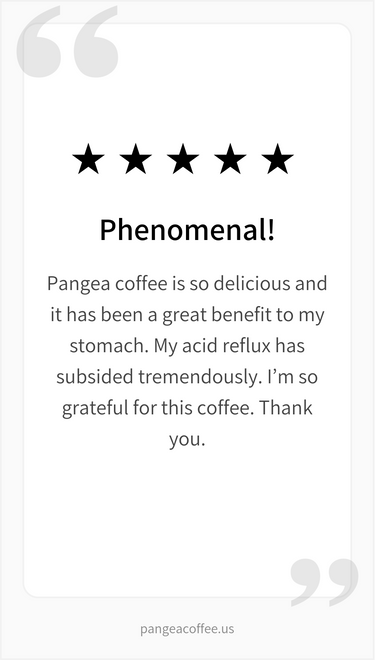
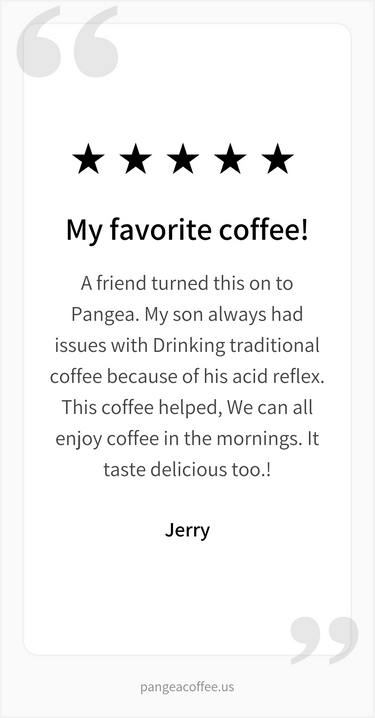
Many customers report that switching to Pangea Coffee eliminated the heartburn and stomach upset they experienced with conventional coffee—a testament to the connection between clean sourcing and digestive health. Read our comprehensive doctor-backed guide to coffee for acid reflux and GERD.
7. Nitrogen Flush Packaging Preserves Freshness and Prevents Oxidation
We use one-way valve bags with nitrogen flush and airtight sealing to protect beans from oxygen and moisture—the two environmental factors that accelerate mold development, staleness, and flavor degradation after roasting.
This packaging technology creates a modified atmosphere that preserves coffee at peak freshness from roasting through brewing, ensuring you experience the full flavor potential and safety of specialty-grade beans.
How to Identify Clean, Safe Coffee When Shopping (Expert Checklist)
If you're trying to choose healthier, mold-aware coffee for your family, look for these quality indicators:
- Recent roast dates clearly printed on the bag (ideally within 4 weeks of purchase)
- Specialty-grade designation or SCA score listed on packaging
- Complete origin transparency with farm, region, or cooperative information
- No artificial flavors, oils, or syrups added to the beans
- Third-party certifications like SPOKIN, organic, Fair Trade, or Rainforest Alliance
- Allergen-free or nut-free facility if you have food sensitivities
- Whole bean format for maximum freshness and purity (pre-ground coffee oxidizes rapidly)
- Small-batch roaster rather than industrial commodity producer
- Direct trade or traceable sourcing relationships with origin partners
Every bag of Pangea Coffee meets or exceeds all of these quality standards—without inflated prices or marketing fear tactics.
Why Pangea's Clean Coffee Delivers Superior Flavor
When beans are fresh, defect-free, properly processed, and roasted with precision, the flavor clarity and complexity are extraordinary. Customers consistently describe our coffee as:
- "Pure and smooth" - no harsh bitterness or burnt aftertaste
- "Low acid but not flat" - balanced acidity that's gentle on the stomach without sacrificing brightness
- "Sweet, bright, and balanced" - natural fruit and chocolate notes shine through
- "No bitterness or burnt taste" - careful roasting preserves origin character
- "Stomach-friendly without sacrificing flavor" - you don't have to choose between taste and comfort
Clean coffee isn't a trendy wellness fad—it's what coffee should be when produced with integrity, quality, and care. The difference is immediately noticeable in both flavor and how your body responds.
Doctor-Backed Confidence in Clean Coffee
"Pangea Coffee's clean sourcing, low-acid profile, and allergen-free roasting process make it one of the best choices for anyone with gut issues."
— Dr. Joseph Salhab, @TheStomachDoc, Board-Certified Gastroenterologist

Experience Pangea's Clean, Mold-Aware Coffee Collection
Every Pangea roast is crafted with purity, naturally low acidity, and exceptional freshness. Our customers with acid reflux, GERD, food allergies, and digestive sensitivities trust these blends:
For Severe Acid Reflux or GERD
Start with our darkest roast for maximum stomach comfort: Bold Respect No. 3 Low-Acid Espresso. Dark roasting naturally reduces acidity while delivering rich, chocolatey flavor. Once your stomach adjusts, explore our medium and light roasts.
For Balanced, Everyday Drinking
Our medium roasts offer the perfect balance of flavor complexity and digestive comfort:
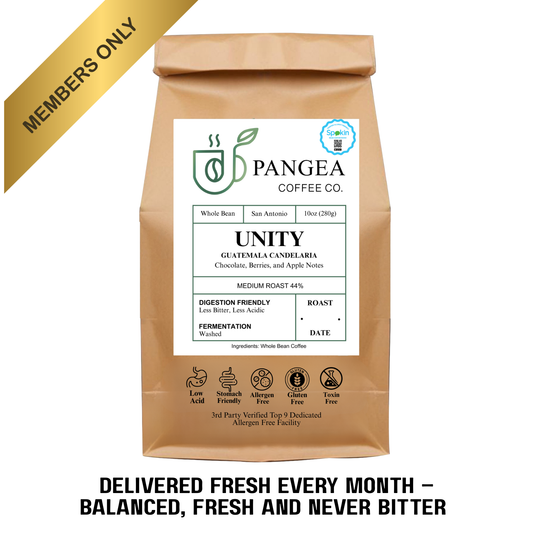
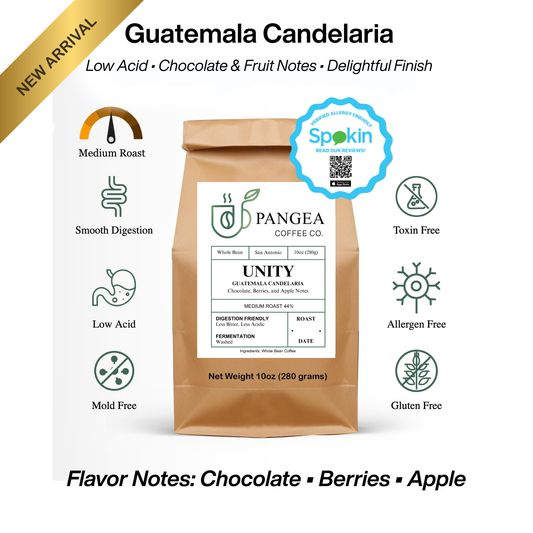
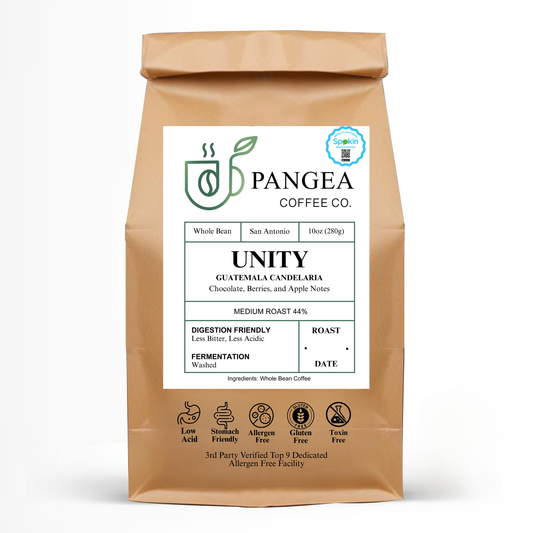
- Unity Guatemala Candelaria - sweet caramel and milk chocolate notes
- Unity Ethiopia Sidama - bright berry and citrus characteristics
- Unity Signature Blend - our most popular medium roast with consistent quality
For Bright, Delicate Flavor
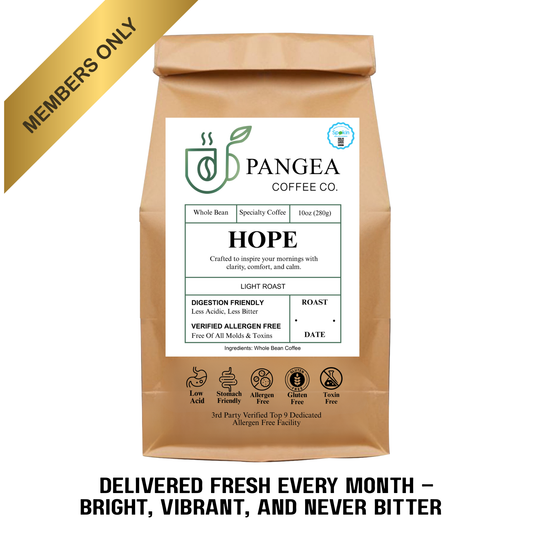
Hope Light Roast showcases floral, fruit-forward notes while remaining gentle on sensitive stomachs. Perfect for those who prefer lighter roast profiles and nuanced origin characteristics.
Not Sure Where to Start?
Our Flavor Discovery Pack includes samples of all three roast levels—Bold Respect (dark), Unity (medium), and Hope (light)—so you can find your perfect match without committing to a full bag. Many customers with digestive sensitivities use this sampler to identify which roast works best for their specific needs.
Your stomach, your taste buds, and your overall health deserve the difference that clean, mold-aware coffee delivers.
Frequently Asked Questions About Mold-Free and Clean Coffee
What does "mold-free coffee" actually mean?
Mold-free coffee refers to coffee produced with processing, storage, and roasting practices that minimize mold contamination and mycotoxin formation. However, the term is often used as marketing rather than reflecting verified testing. True mold-free coffee comes from proper sourcing (specialty-grade beans), controlled fermentation and drying, rapid roasting turnover, and allergen-free facilities—not just paid certifications. Pangea Coffee achieves mold-aware quality through comprehensive protocols at every stage, verified by on-site Q graders and SPOKIN allergen-free certification.
Do I need to buy expensive "mold-free certified" coffee?
No. While some brands charge $40+ per bag for mold-free certifications, specialty-grade coffee already adheres to strict defect limits established by the Specialty Coffee Association—including mold defects. What matters most is fresh roasting (eliminating moisture where mold grows), proper sourcing from trusted farms, and rapid inventory turnover. Pangea Coffee delivers all of these quality factors at fair prices without inflated certification markup, while also providing SPOKIN allergen-free verification for comprehensive safety assurance.
How does Pangea Coffee prevent mold contamination?
Pangea Coffee prevents mold through multiple safeguards: (1) sourcing only specialty-grade Arabica beans with low defect counts, (2) partnering with processors who use controlled fermentation and precision drying protocols, (3) roasting in small batches multiple times per week to eliminate long-term storage, (4) maintaining a SPOKIN-verified allergen-free facility that prevents cross-contamination, (5) employing on-site Q graders who test every batch for quality defects, and (6) using nitrogen flush packaging to protect beans from moisture and oxygen after roasting. This comprehensive approach eliminates the conditions where mold thrives—without relying solely on testing or certifications.
Is specialty-grade coffee automatically mold-free?
Specialty-grade coffee (scoring 80+ points on the SCA scale) has significantly stricter defect limits than commodity-grade coffee, including limits on mold-damaged beans, fermentation issues, and processing problems. However, specialty-grade designation alone doesn't guarantee freedom from all mycotoxins—storage conditions, roasting freshness, and facility cleanliness also matter. Pangea Coffee combines specialty-grade sourcing with fresh roasting, allergen-free facilities, and professional Q grader evaluation to deliver comprehensive clean coffee quality that goes beyond grade designation alone.
Can mold in coffee cause health problems?
Mycotoxins produced by certain mold species can potentially cause health issues in high concentrations, though coffee typically contains very low levels due to roasting temperatures that degrade many toxins. People with mold sensitivities, compromised immune systems, or chronic health conditions may be more susceptible to mycotoxin effects. The best protection is choosing fresh, specialty-grade coffee from roasters with transparent sourcing and quality control—like Pangea Coffee's SPOKIN-verified, allergen-free approach. If you have specific health concerns, consult your healthcare provider about dietary choices.
How can I tell if my coffee has mold?
Moldy coffee typically exhibits musty, earthy, or fermented off-flavors, stale or flat taste, unusual bitterness, and lack of aromatic complexity. Visually, moldy beans may show discoloration, white or fuzzy growth, or unusual spotting—though roasted beans rarely show visible mold. The best prevention is buying fresh coffee (roasted within 4 weeks), storing beans in airtight containers away from moisture and heat, and choosing specialty-grade coffee from reputable roasters like Pangea Coffee who maintain strict quality control throughout the supply chain.
Is Pangea Coffee good for people with mold sensitivities?
Yes. Many customers with mold sensitivities report excellent results with Pangea Coffee because our comprehensive clean coffee protocols address multiple contamination risks simultaneously. Our SPOKIN-verified allergen-free facility, specialty-grade beans, fresh small-batch roasting, on-site Q grader testing, and rapid inventory turnover create an environment where mold cannot thrive. Additionally, our naturally low-acid roasting supports customers with acid reflux, GERD, and digestive sensitivities who often find conventional coffee triggers symptoms. Read our customer reviews from people with sensitivities.
What's the difference between "mold-free" and "allergen-free" coffee?
Mold-free coffee focuses specifically on mycotoxin reduction, often through testing or processing claims. Allergen-free coffee (like Pangea's SPOKIN verification) addresses a broader safety standard: zero cross-contamination from the Top 9 allergens (dairy, eggs, fish, shellfish, tree nuts, peanuts, wheat, soy, sesame) in a dedicated facility. Allergen-free certification actually provides stronger assurance of clean coffee because it requires comprehensive facility protocols, equipment cleaning, and supply chain transparency—addressing many of the same contamination risks that affect mold formation. Pangea Coffee is both mold-aware AND allergen-free verified for maximum safety.


